

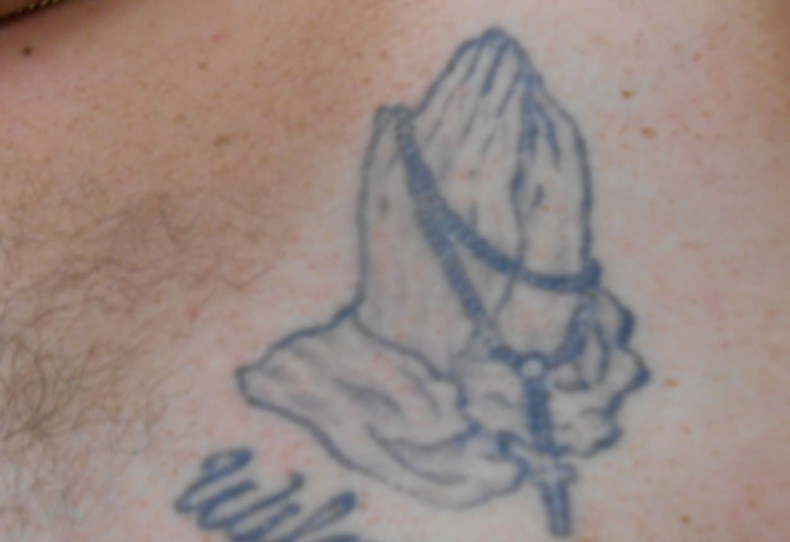
In the contemporary world, tattoos have evolved from being considered mere adornments to expressions of identity, culture, and artistry. However, the intersection of body art and immigration law reveals a paradoxical landscape. While many democratic nations celebrate personal freedom, certain countries hold stringent policies that reject visa applications based on the presence of tattoos. This notable inflection point warrants examination to uncover both the manifest and subtle implications behind such regulations.
At first glance, the rationale behind tattoo-related visa rejections might appear arbitrary. However, beneath the surface, these policies often reflect deeper cultural apprehensions and historical contexts. In many societies, tattoos are still tethered to negative stereotypes, such as criminality or rebellion. Thus, governments may employ these measures as part of broader efforts to safeguard national integrity and security, albeit based on perceived societal norms rather than empirical evidence.
1. Countries Notoriously Known for Tattoo-Related Visa Restrictions
Several countries have gained notoriety for their staunch stance against tattoos in the immigration context.
- Japan: The Land of the Rising Sun is famous for its rich history and cultural heritage but is juxtaposed with stringent regulations regarding body art. Tattoos in Japan often carry cultural associations with organized crime syndicates known as Yakuza. Consequently, applicants displaying visible tattoos may encounter visa rejections based on perceived connections to criminal activity.
- United Arab Emirates (UAE): The UAE embraces luxury and modernity yet holds conservative social values. In this context, visible tattoos can be interpreted as disrespectful to Islamic traditions. Thus, expatriates and visitors may face visa complications if their tattoos are deemed inappropriate.
- North Korea: The regime’s draconian governance extends to the personal appearance of its citizens and visitors. In such a tightly controlled environment, tattoos are perceived as a form of rebellion. Individuals with tattoos may find themselves unwelcome, and visa applications are often summarily rejected.
2. Cultural Significance and Stereotypes
The rejection of visas based on tattoos calls into question the cultural frameworks that inform these policies. Tattoos are often regarded as emblematic of personal choice and artistic expression in many parts of the globe. However, in certain cultures, particularly in regions where traditional values reign supreme, tattoos may be imbued with negative connotations.
For example, tattooing practices in indigenous cultures signify rites of passage and spiritual beliefs. Conversely, in countries like Japan and UAE, the perception can skew towards stigma rather than cultural celebration. Herein lies a fascinating dichotomy: while one culture may view tattoos as a powerful form of self-expression, another may interpret them as anti-social behavior. This cultural lens significantly influences immigration policies.
3. The Role of National Security in Immigration Policies
Beyond cultural perceptions, national security considerations often play a pivotal role in shaping immigration regulations. Governments may perceive tattoos as indicators of potential risk, associating them with specific subcultures that may threaten societal stability. Such fears are amplified in areas where organized crime or gang activity is prevalent.
The stereotyping of tattooed individuals as potentially dangerous overlooks the broader truths of human diversity. It fosters a narrative that equates body art with deviance, ignoring the complexities underlying individual choices. Nevertheless, policymakers may prioritize perceived societal safety over inclusivity, leading to an exclusionary immigration framework.
4. The Psychological Aspect of Tattoos and Immigration
A deeper psychological inquiry reveals the intrinsic relationship between identity and body art. For many, tattoos serve as markers of personal milestones or historical significance. Consequently, the rejection of visas based on tattoos disregards the personal narratives encapsulated within body art.
This intersection of identity and immigration law raises ethical questions. Does a government have the right to dictate the acceptability of one’s body art based on subjective cultural interpretations? Such barriers can perpetuate alienation and stigmatization, impeding not only travel but also opportunities for personal and professional growth.
5. Future Trajectories in Tattoo Acceptance
As globalization fosters unprecedented cultural exchanges, the perception of tattoos is gradually shifting. Younger generations, influenced by shifting social norms and the proliferation of tattooed public figures, are contesting stereotypes traditionally held by older cohorts. Social media platforms amplify this movement, providing tattooed individuals a voice in conversations surrounding acceptance and normalization.
It remains to be seen how immigration policies will adapt to these evolving societal perceptions. Influential movements advocating for more progressive views on body art may impact governmental stances, urging a reevaluation of policies that hinder personal expression through physical form.
6. Conclusion: Reconciling Art, Identity, and Immigration Policy
The dialogue between tattoos and immigration law invites a multifaceted exploration of cultural meanings, national security fears, and the essence of personal identity. While some countries uphold stringent visa regulations based on the presence of body art, a growing global consciousness advocates for the celebration of diversity in all its forms. As society progresses, an inclusive approach that reconciles these often disparate elements may foster a more empathetic global community. The journey of tattoos, from stigmatization to acceptance, mirrors the broader quest for understanding in an increasingly interconnected world.

Leave a comment