

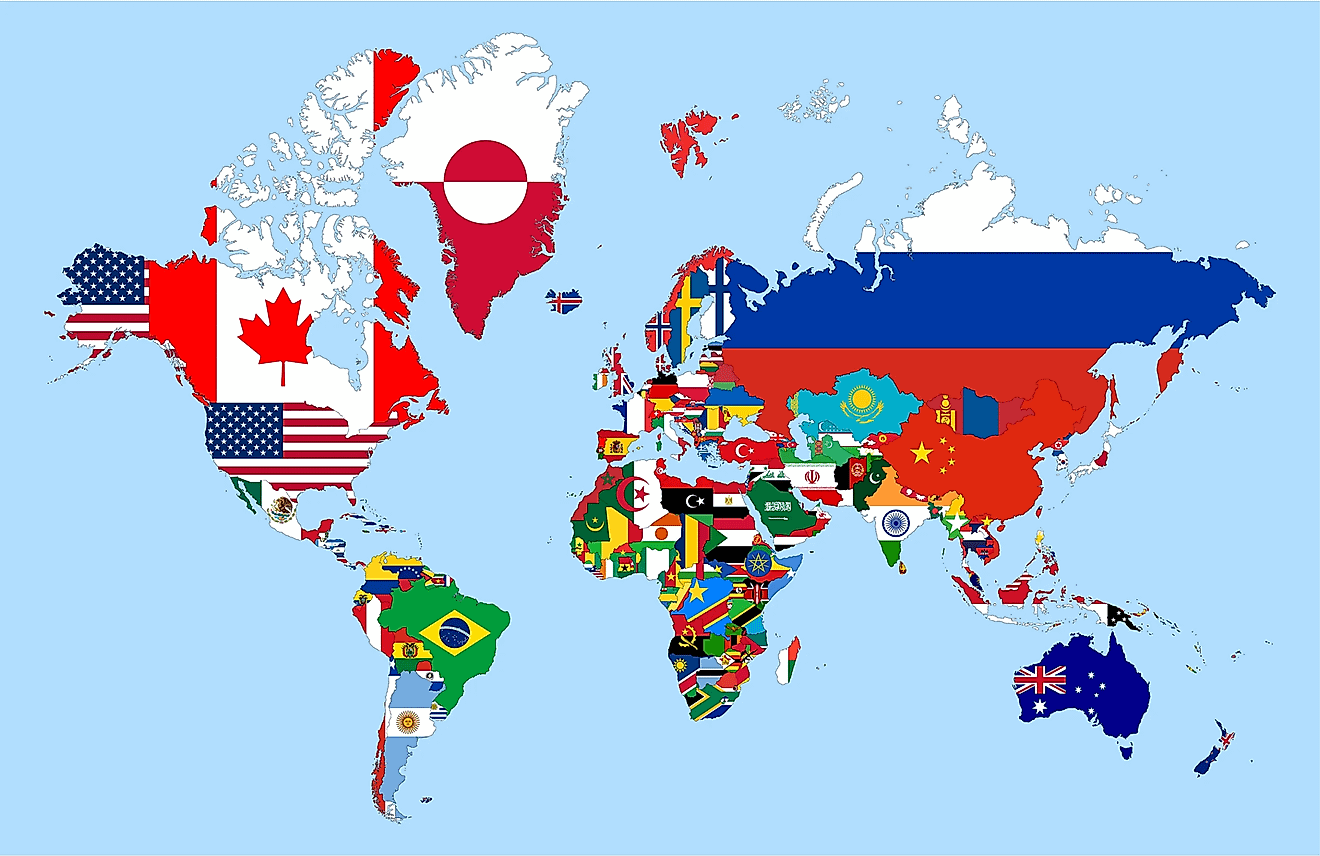
Gold, a glimmering symbol of wealth and prosperity, has captivated civilizations for centuries. But have you ever pondered which countries are the veritable titans in the realm of gold exports? In exploring this glittering question, one may encounter an intriguing challenge: understanding not only the nations that lead in gold production but also the intricacies involved in their mining industries. This investigation unveils not simply statistics but narratives of innovation, environmental stewardship, and economic strategy—each playing a role in the global tableau of gold trade.
The foremost players in the gold export arena are primarily situated in regions abundant with ore, propelled by advancements in mining technology and a relentless pursuit of mineral wealth. Countries such as Australia, China, Russia, and Canada emerge as frontrunners, each with their unique mining landscapes and operational methodologies.
Australia: The Outback’s Golden Treasure
Australia reigns supreme as one of the world’s largest gold exporters, with expansive mines that dot its outback. The Super Pit in Kalgoorlie, one of the largest open-cut gold mines globally, underscores Australia’s dominance. Mining companies have advanced significantly in their operational efficiency, adopting cutting-edge technology to optimize extraction processes. Yet, with great wealth comes great responsibility. There is an essential balance that the Australian mining industry navigates: maximizing profits while ensuring environmental sustainability. Rehabilitating sites post-mining and employing sustainable practices is not just a regulatory requirement; it is a commitment to future generations.
China: The Gold Standard of Production
China holds the mantle as the foremost gold-producing nation, yet its dominion does not entirely translate into exports. Securing a substantial domestic market, the nation consumes much of its gold output. Nevertheless, China’s ascent in gold mining mechanisms and technology has garnered global attention. The integration of artificial intelligence and automated systems in mining operations demonstrates a shift towards improved yield and safety. Analyzing China’s approach compels one to consider how domestic consumption shapes global markets and the intricate dance between production and export.
Russia: The Unyielding North
Russia’s gold reserves are a treasure trove that the country has masterfully tapped into over the past decade. Driven by state-sponsored initiatives and investment in exploration, Russia’s gold mining operations thrive in regions like Siberia. The allure of untouched land yields untold quantities of gold, but it is not without its challenges. Harsh weather conditions and remote locations necessitate innovative solutions to ensure operational viability. Russia’s strategic focus on gold as a financial stabilizer in times of economic tumult adds a layer of geopolitical intrigue to its mining enterprises.
Canada: A Beacon of Responsible Mining
Canada stands out not only for its robust gold export figures but also for its exemplary practices in mining ethics. The country has become a global leader in adhering to responsible and sustainable mining standards. Canadian miners often lead the charge in employing technological innovations that minimize environmental impacts. The fine balance between extracting natural resources and preserving ecological sanctity serves as an instructive model for developing mining sectors worldwide. The case of Canada exemplifies how conscientious practices can coexist with profitability, offering a roadmap for future endeavors.
As different nations vie for supremacy in the gold industry, a crucial component links them: the role of multinational corporations. These entities often span borders, conducting mining operations in various jurisdictions while navigating complex regulatory landscapes. Engaging with local communities and respecting indigenous rights have emerged as necessary tenets of modern mining practices. As the dialogue on ethical sourcing gains momentum, the pressure mounts on companies to demonstrate transparency and sustainability.
Economic Impact of Gold Exports
The economic ramifications of gold exports extend far beyond mere financial transactions. Countries that are rich in gold reserves often experience an influx of foreign investment, stimulating local economies and creating job opportunities. However, the volatility of gold prices poses a risk to these nations; a downturn can lead to economic instability, leaving communities vulnerable. Additionally, the relationship between gold exports and currency strength reveals complexities: as gold prices surge, so can the national currency, affecting competitiveness globally.
Environmental and Social Considerations
The narrative of gold mining would be incomplete without addressing the environmental and social considerations that accompany it. Deforestation, water pollution, and displacement of communities remain pertinent issues. Countries with flourishing gold export industries are compelled to confront these challenges transparently. Innovations in mining, such as the adoption of green mining technologies and community engagement practices, illustrate a shifting paradigm toward sustainability. It is incumbent upon mining nations to foster a culture of accountability and stewardship to mitigate the detrimental impacts of gold extraction.
The quest for gold is a multifaceted endeavor that encompasses resource management, economic strategy, and ethical considerations. Competitors in the gold export arena must not only contend with each other but also with the pressing need for sustainable practices. As the world’s most profitable mines continue to evolve, it remains paramount for nations to balance profitability with responsibility in the glittering pursuit of gold.
The question remains—will the future of gold be gilded with ethical practices, ensuring prosperity for all, or will it succumb to the age-old pitfalls of exploitation? The answer might just define the next chapter in the golden saga of global trade.

Leave a comment