

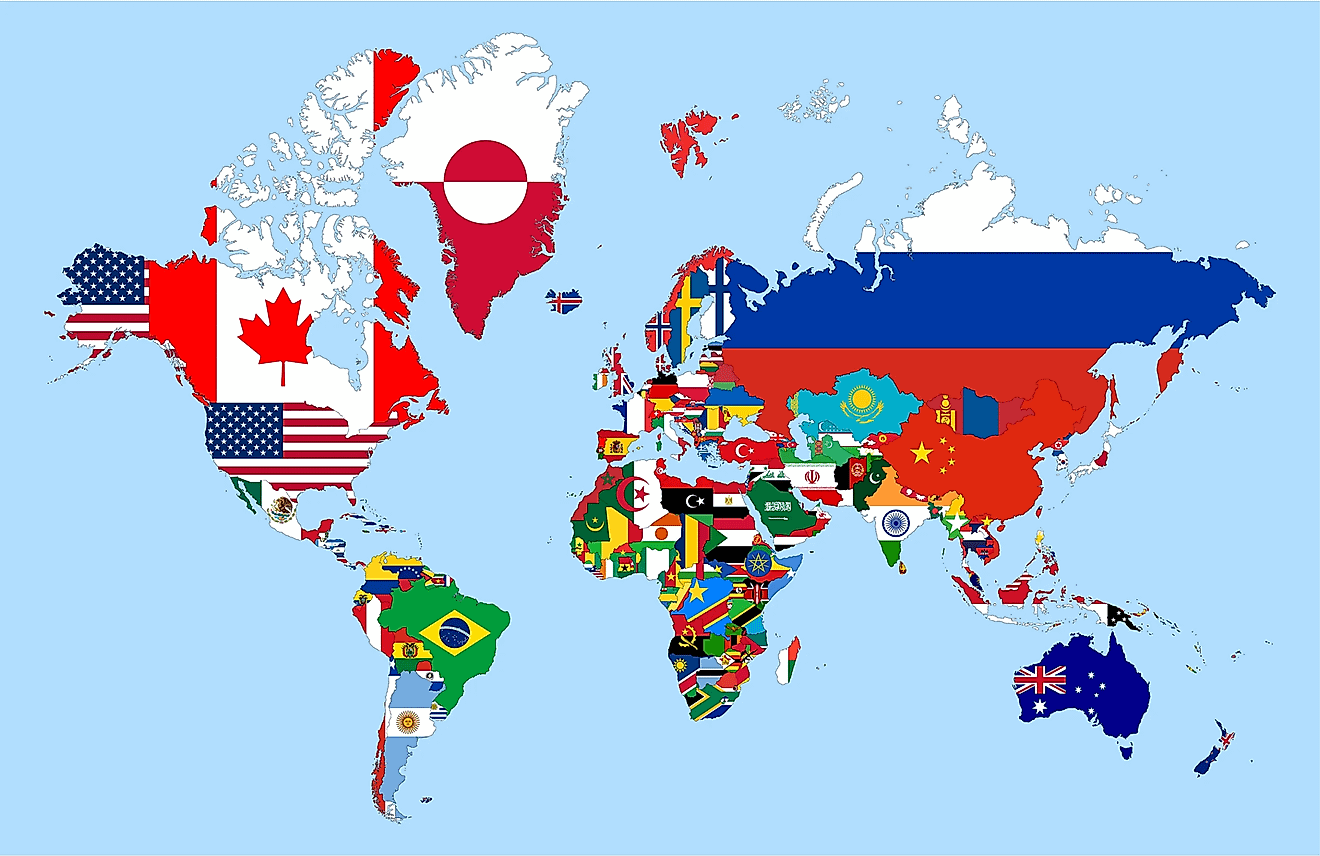
The world operates on myriad systems that provide order and coherence. One such system is the international telephone dialing code, a numeric language that connects individuals across the globe. Among these codes, 224 stands out, drawing attention to a specific nation that has garnered intrigue and fascination: Guinea. As we delve into the significance of this country code, we will explore the rich tapestry of Guinea’s history, culture, and geopolitical relevance, which collectively contribute to our understanding of what it means to be number 224.
To start, the assignment of country codes is no arbitrary endeavor. These numbers serve as a means of identifying and connecting nations, a necessity in an increasingly interconnected world. Guinea, located on the West African coast, operates under the country code 224, a number that serves as a gateway for international communications. From a telecommunications standpoint, the code is a mere numerical sequence. Yet it encapsulates a narrative that reflects the unique qualities and the complexities of Guinea’s identity.
Guinea is characterized by a diverse array of ethnic groups, languages, and religions. The nation is home to over 24 ethnicities, which lend a rich cultural mosaic to its societal framework. The primary language spoken is French, a remnant of colonial rule, but local languages such as Fulani, Malinke, and Susu play a significant role in uniting different ethnic communities. This linguistic diversity enriches the national identity and emphasizes the importance of communication, making the country code 224 emblematic of Guinea’s multifaceted societal structure.
Geographically, Guinea is endowed with an extraordinary abundance of natural resources. The country’s landscape is adorned with lush rainforests, savannas, and the iconic Fouta Djallon plateau. Guinea is one of the world’s leading producers of bauxite, an essential mineral for aluminum production. This mineral wealth, however, is juxtaposed with the challenges of economic development and political stability. The contrast between the country’s vast resources and the prevalent socio-economic issues invites a deeper examination of how the nation engages with the global economy, a theme resonant when one considers the implications of the country code in international trade and investment.
The historical narrative of Guinea adds another layer of intrigue. Following its independence from France in 1958, Guinea underwent a tumultuous journey marked by political upheaval and human rights issues. President Ahmed Sékou Touré’s era was defined by a fervent pursuit of socialism, leading to isolation from Western nations. The consequences of this era still reverberate in contemporary discussions about governance and human rights in Guinea. The notion of nationhood comes to the forefront when one contemplates how global perceptions of Guinea are shaped by its historical legacies, and subsequently, how the intangible yet powerful country code 224 symbolizes these narratives in the international arena.
The fascination surrounding the country code can also be attributable to the broader context of Guinea’s geopolitical significance. Nestled between several influential nations—such as Senegal, Mali, and Ivory Coast—Guinea occupies a strategic position in West Africa. This geography presents an opportunity for regional cooperation, yet also exposes the nation to the complexities of cross-border relations. The potential for collaboration and conflict alike highlights the vital role that numbers play in building bridges between countries—whether it be through trade agreements or diplomatic dialogues, the implications of code 224 resonate far beyond mere telecommunications.
Furthermore, the human stories that emerge from Guinea enrich the understanding of its country code. The Guinean diaspora is prevalent in various parts of the world, contributing to an extensive network that transcends geographical boundaries. As Guineans establish roots in foreign lands, they carry with them their cultural heritage and narratives, further disseminating the essence of Guinea. This phenomenon allows individuals to connect back to their homeland through the shared, albeit numerical, identity encapsulated by the country code 224.
The international landscape continues to evolve, and one cannot overlook the influence of technology on connectivity. With the advent of social media and instant messaging, the relevance of country codes has expanded. Individuals use these identifiers not just for telecommunication but also as markers of cultural identity in online spaces. The fascination with Guinea, viewed through the lens of its dialing code, becomes emblematic of a complex interplay between tradition and modernity, past and future.
In conclusion, the country code 224 serves as a multifaceted symbol representing the nation of Guinea. Beneath the surface of a nomenclature system lies a profound narrative that encapsulates the complexities of identity, history, and international relations. As we explore the deeper reasons for our fascination with Guinea, the rich cultural heritage, geographical significance, and historical legacies come to the forefront. Thus, the number 224 is not merely a code; it is a piece of a larger puzzle that allows us to engage with a vibrant nation that has much to offer the world. In recognizing the layers inherent in this numerical designation, we reaffirm the importance of understanding the stories behind the nations that populate our globe.

Leave a comment