

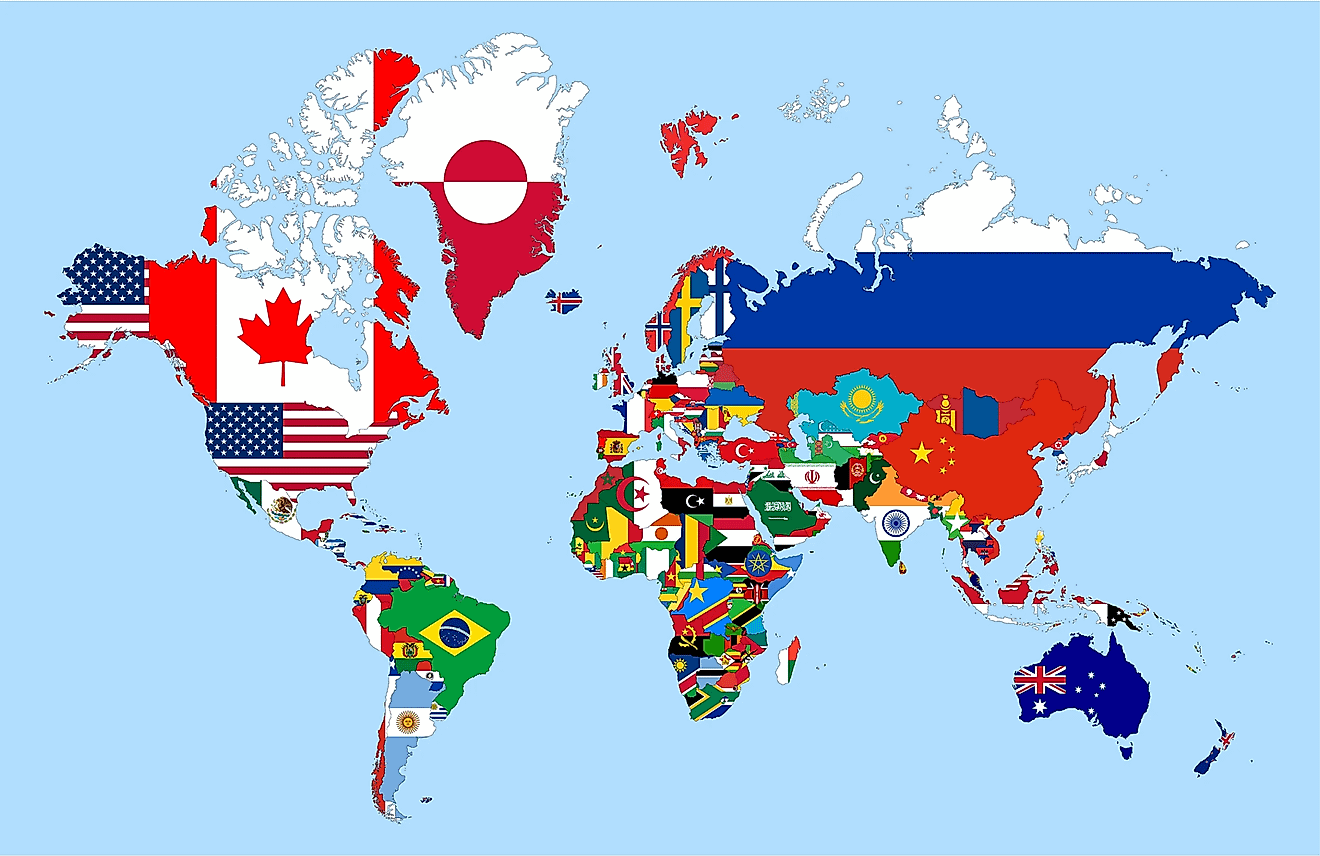
Have you ever dialed an international number and pondered over the alphanumeric codes that precede it? Perhaps you’ve wondered, “Why does South Africa employ the country code 27?” This question, ostensibly straightforward, unravels a rich tapestry of historical, cultural, and telecommunication nuances. Let us embark on a journey to demystify this code and explore its significance for South Africa.
To begin, country codes are integral to the global communications network. Each nation receives a unique identifier used primarily for telephone dialing purposes. This system, devised in the mid-20th century, facilitates international calling, simplifies connectivity, and reduces confusion. South Africa’s unique code, 27, emerged from this organization, yet its origins delve deeper than mere numbers.
The adoption of country codes was formalized during an international telecommunication conference in 1960, aiming to streamline the growing complexities of global communication. At this juncture, delegates needed to establish a cohesive framework that acknowledged the burgeoning need for standardization. South Africa’s designation as code 27 correlates to its geographical proximity to the African continent’s other codes, offering a fascinating glimpse into the organizational logic behind these assignments.
As we delve into the world of codes, one might pause and reflect on the phonetic dichotomy inherent in the number itself—two and seven. The choice of “27” as a representation for South Africa may seem arbitrary; however, it encapsulates a broader narrative concerning the nation’s identity and its engagement with the international community.
Historically, South Africa has experienced its share of sociopolitical upheavals and transformations. The period of apartheid, with its profound implications on race relations, governance, and international perception, casts a long shadow over South Africa’s identity. In myriad ways, the use of the country code has symbolized not just a gateway for communication but also a reflection of the nation’s quest for recognition post-apartheid. Thus, understanding why South Africa uses the country code 27 transcends mere telecommunications; it becomes intertwined with a narrative of resilience and rebirth.
Furthermore, the digitization era heralded a significant shift in how country codes are perceived and utilized. With mobile phones, VoIP, and the internet revolutionizing communication, the essence of country codes has evolved. They are no longer merely entry points for dialing; they represent interconnectedness, shaping how South Africa engages with the world. The integration of country codes into digital interfaces has made it imperative for nations to ensure their codes are recognized and assimilated into various communication platforms. Hence, 27 does not solely signify South Africa; it epitomizes the nation’s adaptability in an increasingly globalized digital landscape.
But what lies beneath the surface of this numerical designation? Furthermore, South Africa’s multifaceted identity prompts inquiries into the representation embedded within the code. Its three major cultures—African, European, and Asian—converge within this single representation. While the country code alone might not encompass the country’s intricate diversity, it serves as a starting point for uncovering the rich stories interlaced with South Africa’s moniker on the global stage.
In a hypothetical realm, one might even pose a playful question: “What if the digits were chosen at random?” Imagine the fortunes of international communications if this were the case. Would travelers misdialing inadvertently channel their calls to another country? Our brains sometimes ponder the absurdities of fate, but the truth is that such random assignments could create more chaos than connectivity – a sobering thought for a world so large yet so interconnected.
Moving to the contemporary sphere, the significance of 27 extends beyond mere telephone calls. It plays a pivotal role in South Africa’s participation in international trade, tourism, and diplomatic relations. Globalization has rendered geographical borders increasingly porous, and the country code serves as an emblem of South Africa’s identity on the world stage. When businesses expand internationally or when tourists plan their visits, the country code often becomes their entry point into the narrative of South Africa itself.
In commercial contexts, employing the appropriate dialing code is paramount. Businesses seeking to establish contacts or ventures in South Africa must leverage the power of 27 to fortify communications. This simple three-digit sequence acts as a bridge, nurturing bilateral relationships that span continents. The interdependence fostered through these communications signifies the potential for growth, collaboration, and shared knowledge across cultures.
In conclusion, the country code 27 serves as a multifaceted symbol of South Africa, intricately woven into the fabric of its history, identity, and global interactions. The narrative woven around this simple numeral embodies a broader discourse on communication, cultural representation, and the evolution of international relations. As we gaze toward an increasingly interconnected future, the significance of the digits, and what they represent, will undoubtedly continue to evolve, but their essence remains rooted in the shared human experience.

Leave a comment