

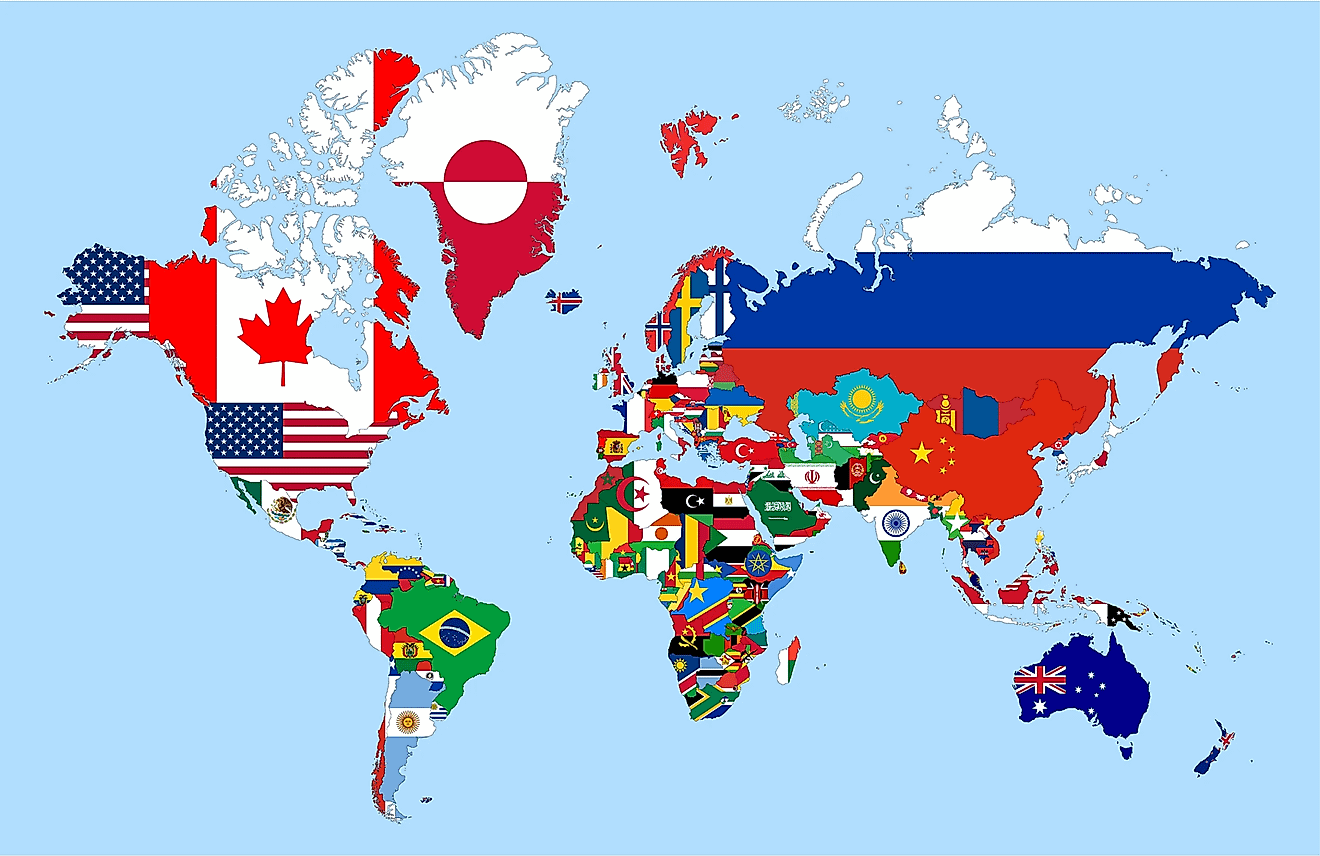
As the Great Depression cast a long shadow over economies worldwide, a fascinating question emerges: which country managed to weather this unprecedented economic storm with remarkable resilience? While scores of nations spiraled into despair, one stands out as a beacon of peculiar financial stability: the Soviet Union. This historical economic miracle prompts us to explore the unique circumstances that allowed it to emerge relatively unscathed while others faltered.
The Great Depression, commencing in 1929 and enduring for almost a decade, was a cataclysmic event characterized by plummeting stock markets, soaring unemployment rates, and widespread despair. Around the globe, economies spiraled downwards, while nations grappled with the dire consequences of financial collapse. In stark contrast, the Soviet Union demonstrated an intriguing narrative of relative endurance amidst chaos, a phenomenon that can be elucidated through various economic, political, and social lenses.
The first aspect to consider is the economic structure of the Soviet Union. Unlike the capitalist economies that plagued themselves with market fluctuations, the Soviet economic model was characterized by its centralized planning and state ownership of resources. This economic framework allowed the government to implement sweeping policies aimed at stimulating production and sustaining employment. State control over industries enabled the Soviet regime to direct resources toward essential sectors, thereby minimizing the impact of global economic downturns.
Additionally, the agricultural policies in the Soviet Union during this period played a crucial role in shielding its economy. The collectivization of agriculture, which aimed to consolidate individual landholdings into collective farms, was controversial and faced significant resistance. However, it concurrently allowed the government to exert control over food production, ensuring that urban populations remained fed despite the external economic turmoil. The continuity of food supply and employment in agriculture significantly cushioned the blow of the global crisis.
Moreover, the Soviet Union’s policy of autarky, or economic self-sufficiency, fortified its defenses against external shocks. By focusing on domestic production and minimizing reliance on international trade, the Soviet Union insulated itself from the desolation experienced by countries entangled in global markets. The emphasis on heavy industries, such as steel and machinery, rather than consumer goods, fostered a robust manufacturing base that functioned independently of foreign fluctuations. The mutually supportive relationship between state planning and industrial production allowed the Soviet economy to persist and, in some cases, thrive.
Furthermore, the political landscape of the Soviet Union during the Great Depression was a double-edged sword, offering both stability and repression. The dictatorship under Joseph Stalin enabled quick decision-making and the implementation of drastic measures, which, while often brutal, created a unified direction for the economy. The inability of citizens to protest or resist government policies allowed for rapid industrialization and economic mobilization, further contributing to the relative stability of the economy. However, one must challenge the notion of ‘stability’ when considering the human cost of such repression.
Nonetheless, the ramifications of the Great Depression were not entirely absent in the Soviet Union. While the economy as a whole remained relatively insulated, the populace endured formidable hardships. The collectivization effort, though aimed at strengthening agriculture, resulted in widespread famine and suffering, particularly in regions such as Ukraine. The state’s priorities often overshadowed the welfare of its citizens, raising ethical queries about the cost of economic progress.
In an examination of growth rates, Soviet industrial output consistently increased throughout the 1930s. The ambitious Five-Year Plans implemented by the government marked a period of significant industrial advancement that distinguished the USSR from Western nations languishing under the weight of economic despair. Instituted in 1928, these plans aimed to accelerate the industrialization process and laid the groundwork for the military and infrastructural strength that would prove advantageous in the subsequent years of World War II.
However, the question remains: was this economic miracle sustainable? Indeed, while the Soviet Union exhibited remarkable resilience during the Great Depression, the structural inefficiencies and imbalances that characterized its economy would later precipitate crises in subsequent decades. The rigidities imposed by central planning ultimately stymied innovation and responsiveness to market needs. Thus, while the Great Depression showcased the USSR as a case study in economic endurance, it simultaneously revealed the latent vulnerabilities that would emerge in later years.
In conclusion, the Soviet Union’s relatively unscathed experience during the Great Depression illustrates a distinctive intersection of historical, economic, and political phenomena. The centralized planning, state mobilization of resources, emphasis on self-sufficiency, and authoritarian governance all converged to create a narrative of resilience in stark contrast to the despair enveloping the rest of the world. However, this apparent economic miracle was not without ethical considerations and future repercussions. The Great Depression may have tested the mettle of many nations, but it also solidified the Soviet Union’s trajectory toward a unique and tumultuous historical path.

Leave a comment