

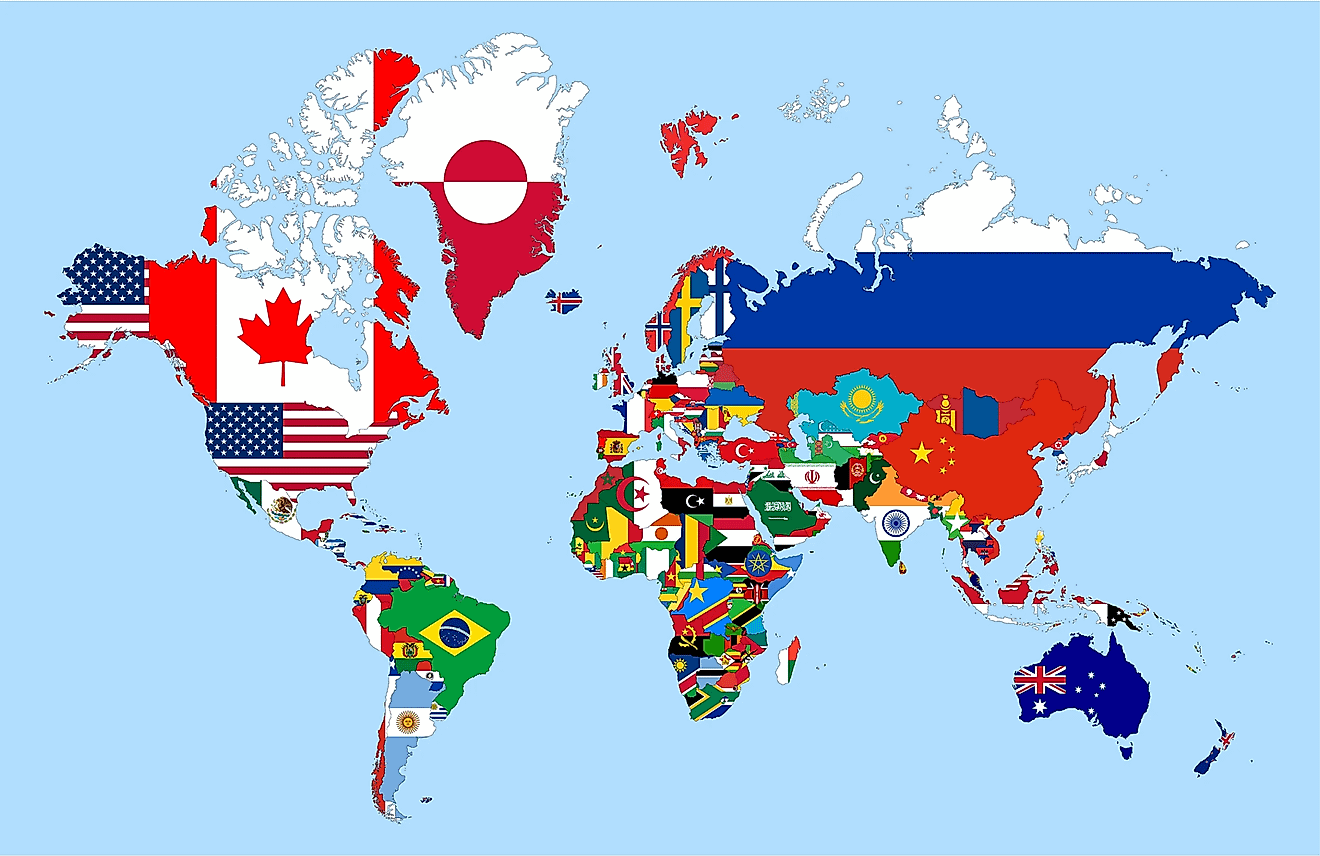
When we ponder the question, “Which Country Makes Honda?” it provokes not just a straightforward answer but an exploration into the heart of Japan’s automotive ingenuity. The simple response is that Honda manufactures its vehicles in Japan, but what lies beneath this surface is a fascinating tapestry of history, innovation, and cultural significance. Envision walking through the bustling streets of Tokyo or the serene landscapes of Tochigi; each corner reflects a legacy of automotive craftsmanship that has defined an entire industry.
Honda Motor Co. Ltd., established in 1948 by Soichiro Honda and Takeo Fujisawa, embarked on this journey with the aspiration to revolutionize personal transportation. Initially focusing on motorcycles, Honda made its mark by creating reliable and efficient machines that garnered a loyal following. This commitment to quality propelled Honda into the automotive stratosphere, leading to the production of its first automobile, the T360 mini truck, in 1963. The evolution from motorcycles to cars symbolizes a significant transformation in Japanese manufacturing capabilities, underlined by an unwavering quest for perfection.
To understand the essence of Honda’s manufacturing prowess, one must delve into the socio-economic context of post-war Japan. The nation, recovering from the ravages of World War II, sought to redefine itself. The automobile industry became a vital component of this transformation, serving as both an economic driver and a source of national pride. Within this environment, Honda emerged as a quintessential player, advocating for innovation while embracing a philosophy of continuous improvement—known in Japan as “Kaizen.”
Honda’s manufacturing ethos is epitomized in its production techniques, which emphasize not only efficiency but also quality assurance. The company’s dedicated efforts to implement just-in-time (JIT) manufacturing minimize waste and ensure that every component is available precisely when needed. This meticulous orchestration of parts and labor represents a paradigm shift in production methodology, contrasting sharply with traditional mass-production models. Can other nations replicate such an intricate balance of speed and quality without compromising their own traditions?
Furthermore, Honda’s facility in Sayama, located just outside of Tokyo, is a vibrant entity that showcases the marriage between cutting-edge technology and human craftsmanship. Here, one can witness the synergy of robotics with skilled artisans, where automation complements human intelligence rather than replacing it. The assembly line flows like a well-choreographed ballet, with each technician playing a crucial role in achieving harmonious output. This model invites contemplation: in an age increasingly dominated by automation, how can companies retain the irreplaceable value of human touch?
Of particular significance is Honda’s commitment to sustainability, which permeates its manufacturing processes. As the world grapples with the consequences of climate change, Honda has risen to the challenge by investing heavily in hybrid and electric vehicle technology. The development of models like the Honda Clarity illustrates the company’s foresight and determination to remain at the forefront of environmental responsibility. Yet, is the transition to greener technologies truly a universal path for all manufacturers, or does it hinge on the unique socio-cultural dynamics of the nation?
Honda’s role transcends mere automotive production; it serves as an emblem of Japanese culture and ethos. The company’s dedication to engineering excellence reflects a broader national narrative that emphasizes diligence, integrity, and respect for craftsmanship. Each Honda vehicle embodies a philosophy which, while rooted in practicality, also appeals to deeper emotional connections. This juxtaposition poses a compelling inquiry: in what ways do national cultures influence consumer perceptions and preferences across the globe?
Moreover, Honda’s global presence is a testament to its success in exporting not just vehicles but also its cultural values. While manufacturing remains anchored in Japan, the brand has adeptly established manufacturing plants around the world, adapting its practices to accommodate local needs while preserving its core principles. This evolution of Honda raises an intriguing question about globalization: can a company maintain its authentic identity amidst the pressures of worldwide expansion?
In conclusion, the inquiry “Which Country Makes Honda?” encompasses far more than the geographical origin of the automobile. It invites us to consider the intricate web of historical, cultural, and technological factors that contribute to the brand’s legacy. As we navigate this automotive landscape, it becomes clear that Honda is not solely a product of Japan, but a composite of ideals, practices, and advancements that resonate with consumers everywhere. The story of Honda is a narrative of innovation, resilience, and a steadfast commitment to quality that continues to inspire. It challenges us not only to appreciate the vehicles we drive but also the complex interplay of influences that shape a global industry.

Leave a comment