

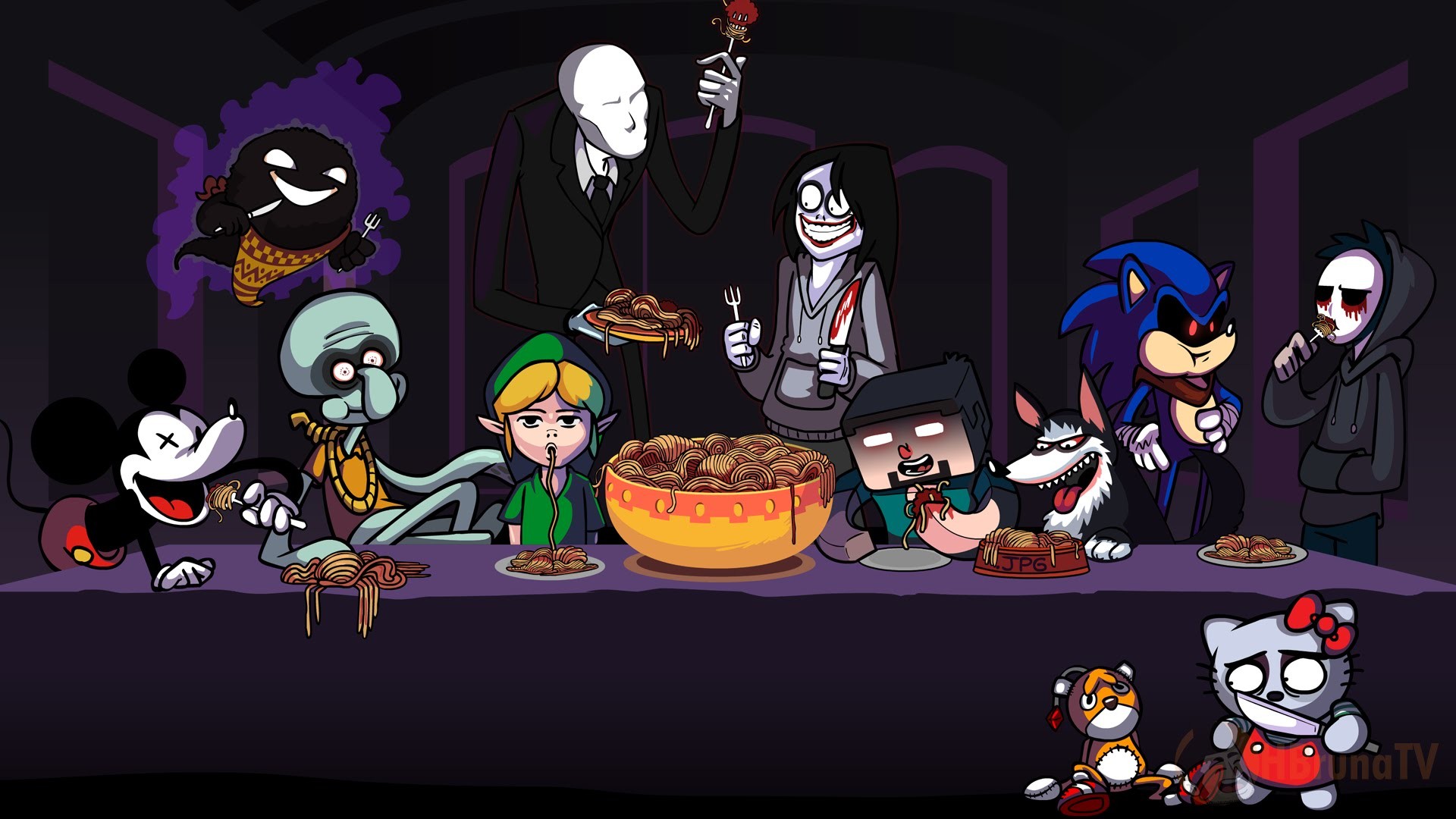
The allure of creepypasta—a digital folklore encompassing short horror stories circulated on the internet—presents a fascinating tapestry of narratives that captivate and horrify. Each tale often embodies psychological complexities, compelling characters, and phantasmagorical elements that appeal to our intrinsic inclination for fear and fascination with the macabre. This article seeks to align personal predilections with various creepypasta narratives, encouraging an introspective exploration of one’s personality traits and how they resonate with specific horror stories.
To embark on this journey, one must first consider the fundamental styles of creepypasta that have emerged in the digital age. The genre broadly encompasses several archetypes, each resonating with distinct psychological profiles and emotional landscapes. Understanding these categories is essential in uncovering which creepypasta narrative mirrors your essence.
1. The Psychological Jolt: Mind-Bending Narratives
Some creepypasta tales delve into the complexities of the human psyche. Stories like “Ben Drowned” and “Jeff the Killer” explore themes of trauma, identity loss, and existential dread. If you find yourself drawn to these stories, it may indicate a reflective and introspective personality. There is often a deeper yearning to understand the intricacies of human behavior, dealing with fears, and uncovering the basis of one’s own mental struggles. Your interests may lie in analyzing motivations and unraveling the darkness that resides within.
Additionally, if you are intrigued by these psychological horrors, it could hint at a proclivity for artistic expression. You might appreciate the ambiguity of emotion and the gray areas in moral dilemmas. Embracing this complexity allows for an enriched understanding of yourself and others. The protagonists in these tales often struggle with their inner demons, creating a narrative tapestry that is as haunting as it is relatable.
2. The Urban Legend: Real-World Myths
Creepypasta is heavily influenced by urban legends, which infuse cultural fears into their narratives. If you connect with tales like “Slender Man,” which chronicles the mythical figure born from the online imaginations of fright-seekers, your personality may lean towards societal observations and the communal nature of fear. This indicates a fascination with how societal issues manifest in collective consciousness. Perhaps you find excitement in myth-making and sharing narratives that blur the line between reality and fiction.
This connection emphasizes a desire for community to rally around shared frights, suggesting that social interaction fuels your appreciation for horror. You may thrive in scenarios where folklore and reality converge, often engaging in dialogues regarding the implications of these legends and their profound reflection on cultural anxieties.
3. The Cosmic Horror: Existential Anxieties
Exploring the realm of cosmic horror introduces elements of the unknown, tapping into a profound fear of insignificance within the vast universe. Creepypasta like “The Rake” and “SCP Foundation” immerses readers in narratives that challenge notions of existence and human comprehension. If these tales resonate with you, it could signify a penchant for the philosophical and existential inquiries of life.
Such preferences often reveal a mind that contemplates the mysteries of the universe, grappling with questions beyond immediate understanding, conjuring a cocktail of fears and curiosity. Engage deeper with these narratives, and you may discover a fascination with expansive ideas of reality and a desire to uncover hidden truths that transcend the mundane.
4. The Introspective Exploration: Personal Struggles
Many creepypasta stories are rooted in personal turmoil, often serving as metaphors for contemporary issues. “Smile Dog” and “Candlecove” exemplify narratives that echo themes of regret, addiction, and the struggle of confronting the past. If these stories resonate with your experiences, it may indicate a personality that values introspection and emotional exploration.
Your draw towards these narratives suggests an understanding of trauma, allowing for vulnerability in acknowledging emotional pain and darkness. You may communicate through art, literature, or personal reflections—aligning yourself with stories that empower individuals to confront their fears and find catharsis in shared experiences.
5. The Morbid Curiosity: Drawn to Damned Tales
Lastly, some enjoy creepypasta for its unadulterated exploration of the grotesque and bizarre. Tales like “Huggy Wuggy” tap into the playful yet sinister aspects of our curiosity about horror. If this genre captures your attention, it may reveal a personality imbued with a peculiar fascination for the dark and surreal elements of life. This enjoyment reflects a balance between humor and horror; appreciating the paradox of finding joy amid darkness signals a unique coping mechanism and a resilient spirit.
Your inclination towards the surreal could stem from a desire to challenge conventional perceptions and embrace unconventional narratives. By engaging in these stories, you cultivate a penchant for the offbeat and uncanny, possibly revealing deeper insights into your creativity and adaptability.
Conclusion: Discovering Your Narrative
The genre of creepypasta presents a multifaceted opportunity to explore narratives that reflect not only the collective psyche but also individual identities. It serves as a mirror to our fears, curiosities, and desires, ultimately leading to a deeper understanding of ourselves. By connecting with specific stories, readers embark on personal journeys that illuminate their own complexities, fears, and motivations.
As you delve deeper into the shadowy realms of these online horror tales, recognize the innate qualities they reveal. Through this exploration, the very narratives that frighten us can also forge resilience, introspection, and a renewed appreciation for the intricacies of the human experience.

Leave a comment