

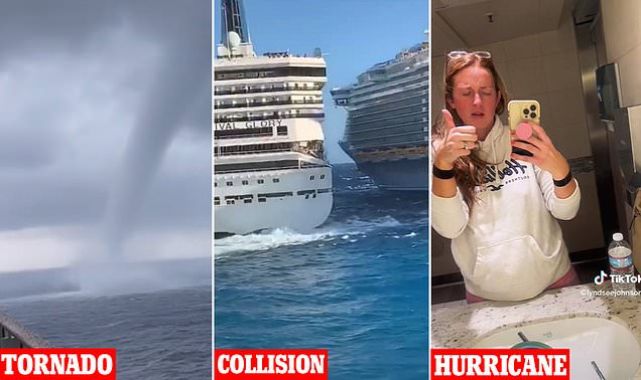
The cruising industry has experienced its share of incidents over the years, including accidents, onboard health crises, and even tragic incidents leading to loss of lives. When considering which cruise line has had the most incidents, it is vital to explore various elements surrounding these occurrences. Each cruise line presents its unique operational history, safety measures, and notable incidents. This examination provides insight into the multifaceted nature of maritime travel.
To thoroughly investigate this topic, it is crucial to categorize incidents into different types, including accidents at sea, onboard emergencies, health-related outbreaks, and legal controversies. Understanding these distinctions allows readers to parse through the nuanced landscape of cruise line incident reporting.
Firstly, let us delve into accidents at sea. These incidents can range from collisions with other vessels to encounters with unexpected weather phenomena. Notable examples include the infamous Costa Concordia disaster in 2012, which resulted in significant casualties and raised questions about crew training and navigational safety protocols. Furthermore, multiple cruise lines have suffered collisions with submerged objects, leading to structural damages and passenger injuries. The frequency of such incidents has led to increased scrutiny and a reevaluation of safety standards across the industry.
Next, we consider onboard emergencies, which can transpire due to a variety of causes. These include fires, engine failures, or hazardous material spills. Incidents such as the 2013 fire aboard the Carnival Triumph serve as poignant reminders of the potential perils faced while at sea. Such events not only jeopardize passenger safety but can also lead to extensive financial repercussions for the cruise line involved. They illustrate the critical importance of emergency preparedness and rapid response capabilities in mitigating the effects of onboard crises.
Moreover, the emergence of health-related outbreaks has dramatically influenced the reputation of several cruise lines. The most prevalent among these is the notorious outbreak of norovirus, which can spread rapidly in confined environments such as cruise ships. Various cruise lines have faced scrutiny following significant outbreaks, prompting questions about sanitary practices and health management protocols on board. Such incidents can severely impact passenger trust and the overall public perception of the cruise industry.
In addition to physical safety and health, legal controversies often encapsulate the struggles faced by cruise lines. This can include litigation stemming from accidents, discrimination claims, or violations of maritime laws. Investigating the legal landscape surrounding cruise travel can uncover patterns of behavior and areas of concern. Certain cruise lines might exhibit a higher propensity for legal disputes, leading to spiraling costs and a strained relationship with their clientele.
Given the complexity of the factors involved, understanding which cruise line has had the most incidents is not merely an exercise in statistics. It challenges observers to consider the broader implications of these incidents. Some cruise lines may have experienced a higher frequency of accidents due to larger fleets or a focus on budget travel, while others may have lower incident reports but significant events that dominate media narratives. This disparity can skew the perception of safety and reliability across the industry.
Furthermore, consumer perception plays a pivotal role in determining which cruise lines emerge as leaders or laggards in public confidence. Media coverage can dramatically affect the reputation of a cruise line, often magnifying the impact of incidents and leading to a decline in bookings. In an age of instant communication and digital footprint, a single incident can resonate far beyond its immediate context. For many cruise lines, maintaining a positive image amidst inevitable challenges is paramount for their continued success.
In assessing the operational protocols of cruise lines, it is essential to consider safety practices. This includes crew training, vessel maintenance, passenger briefing, and adherence to international maritime regulations. Many renowned cruise lines invest heavily in safety measures, which can mitigate the impact of incidents when they occur. The commitment to enhanced safety practices remains an important factor in shaping long-term operational success and sustainability in the cruise industry.
Lastly, industry regulations set forth by governing bodies also affect how incidents are reported and managed. Compliance with standards such as those established by the International Maritime Organization (IMO) is crucial for all cruise lines. These regulations are continually evolving in response to previous incidents, aiming to bolster safety across the sector. Consequently, the interplay between incident history and regulatory compliance fosters a culture of accountability within the cruise industry.
In conclusion, determining which cruise line has had the most incidents is a complex inquiry that necessitates a multifaceted approach. By categorizing incidents into accidents, onboard emergencies, health outbreaks, and legal controversies, one can appreciate the intricacies of each cruise line’s operational history. The influence of consumer perception, safety practices, and industry regulations further complicates this evaluation. Ultimately, the quest for accountability and safety in the cruise industry remains an ongoing journey, necessitating continual reflection and adaptation from all operators involved.

Leave a comment