

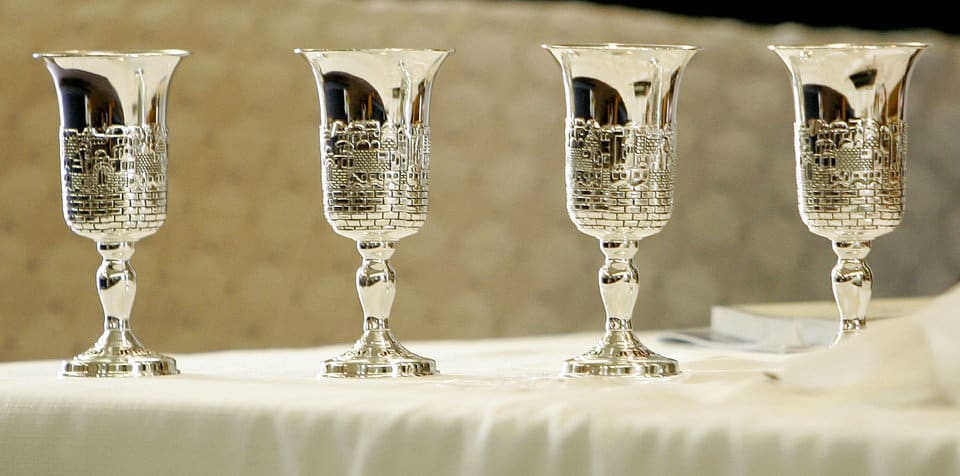
The Passover, or Pesach, is a pivotal event in the Jewish calendar, a celebration that commemorates the liberation of the Israelites from Egyptian bondage. Within this sacred context, the significance of the cups consumed during the Seder ceremony takes on profound theological implications, particularly regarding the Last Supper undertaken by Jesus and His disciples. To address the question of which cup Jesus took at Passover, one must traverse the intricate landscape of biblical tradition, historical context, and symbolic interpretation.
To begin, it is essential to understand the ritual of the Seder, which involves the drinking of four cups of wine, each representing a distinct promise made by God to the Israelites as depicted in the Book of Exodus. These cups, filled with wine, embody both the bitterness of slavery and the sweetness of redemption. The four cups are traditionally known as:
- Kiddush Cup: The first cup, sanctifying the festival.
- Cup of Judgment: The second cup, symbolizing God’s judgment upon the Egyptians.
- Cup of Redemption: The third cup, often associated with the promise of salvation and deliverance.
- Cup of Praise: The fourth cup, which concludes the Seder with great joy and gratitude.
With this foundational understanding, we turn our attention to the Last Supper, an event rich with significance, where Jesus established the rite of communion. Here, Jesus engages with a cup of wine, yet, within the framework of the Seder, it is crucial to identify specifically which cup He chose for this momentous occasion. The Gospel accounts indicate that it is the third cup — the Cup of Redemption — that Jesus explicitly incorporates into His teachings.
In the Gospel of Luke (22:20), it is written, “In the same way, after the supper he took the cup, saying, ‘This cup is the new covenant in my blood, which is poured out for you.’” Herein lies a profound metaphorical resonance, as Jesus transforms the meaning of this cup from an ordinary vessel of wine into a potent symbol of His impending sacrifice. The Cup of Redemption, which signifies not only the deliverance from physical bondage but also the spiritual liberation from sin, is elevated to a new echelon of significance. In this act, Jesus inaugurates a new covenant, a radical reinterpretation that reshapes the relationship through which humanity interacts with the divine.
What makes this act particularly compelling is the juxtaposition of the ancient ritual with the fresh revelation of Jesus’ sacrificial death. The cup, initially representing the collective hope of a liberated people, now channels the individual salvation that transcends time and space. It becomes a vessel through which believers can partake in the redemptive grace offered by Christ. The metaphor of the cup, therefore, transforms from a mere object to a profound invitation — an invitation to commune with the divine, to partake in the very essence of sacrifice.
Further embellishing this narrative, one finds the theological implications of the blood that suffuses the cup. In biblical tradition, blood is often indicative of life and covenant. By claiming that His blood would be poured out, Jesus is not merely signifying physical death; rather, He is entrenching His life into the fabric of the covenant, crafting an enduring relationship between the divine and the faithful. This covenant is rooted in love, mercy, and forgiveness — it obliterates the need for further sacrifices as the ultimate price has been paid in full.
As we delve deeper into the nuances of this biblical moment, the significance of the Cup of Redemption takes on layers of meaning that speak to the human experience. The act of drinking from the cup symbolizes acceptance, an acknowledgment of one’s own need for redemption. For every believer who approaches the communion table, it becomes more than a ritual; it is a sacred moment of self-reflection and recognition of one’s place within the unfolding narrative of divine grace.
In the broader spectrum of Jewish tradition, there exists a poignant irony: the cup that symbolizes ultimate redemption is also intertwined with the theme of suffering. Jesus’ identification with this cup foreshadows the immense suffering He would endure leading up to His crucifixion. This duality encapsulates the human condition — the interplay of joy and sorrow, liberation and sacrifice, highlighting the often tumultuous journey toward spiritual fulfillment.
As followers of Christ engage in the act of communion, they are invited to reflect upon the nature of this cup. Each sip serves as a reminder of the covenant established at that fateful Passover meal, beckoning believers to embrace their own journey toward redemption. The metaphor of the cup persists as a symbol of hope, encapsulating the essence of faith, wherein each drink reaffirms the promise of new life and the assurance of divine presence.
In conclusion, the inquiry into which cup Jesus took at Passover reveals not only a moment steeped in theological significance but also a narrative woven with metaphor and rich symbolism. The Cup of Redemption transforms the act of drinking wine into a profound act of communion with Christ, intertwining the threads of ancient ritual with the new covenant. It invites believers to partake in a mystical journey that acknowledges the pain of sacrifice while heralding the joy of redemption. In the act of communion, thus, the cup transcends its physicality, offering a glimpse into the ineffable love that bridges humanity and divinity.

Leave a comment