

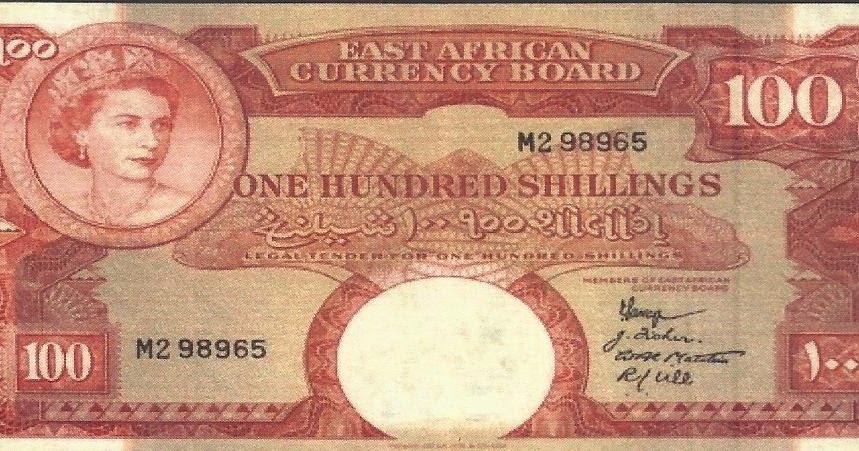
When pondering the question, “Which currency is used in Tanzania?” one might wonder if the answer is as straightforward as it seems. Tanzania, a nation renowned for its stunning landscapes and rich cultural heritage, has an intriguing currency history that may challenge one’s preconceptions. The Tanzanian Shilling (TZS) is the official currency, but like any monetary system, its evolution and context warrant exploration.
The Tanzanian Shilling, abbreviated as TZS, has served as the backbone of the national economy since 1966, replacing the East African shilling at par. Intriguingly, the term “shilling” has a storied past, tracing its lineage back to various currencies adopted in East Africa as colonial influences waned. Before diving deeper, however, it is pertinent to contextualize the shilling’s significance within Tanzania’s socio-economic framework.
Throughout its history, the Tanzanian Shilling has undergone numerous fluctuations and reforms, largely influenced by economic policies and global market trends. One notable event was the introduction of a new shilling in 2009, which was necessitated by rampant inflation. This transition serves as a reminder of the currency’s volatility and the external and internal factors that dictate its value. In discussing the shilling, one cannot overlook the hallmark characteristics of an era defined by economic change.
Moreover, the Tanzanian Shilling is subdivided into 100 cents, much like its counterparts around the world. This subdivision facilitates everyday transactions and serves to enhance financial literacy among citizens. Although coins are still in circulation, banknotes dominate the market. Therefore, an inquisitive traveler or resident alike may find themselves wondering: How robust is the availability of coins in comparison to notes for daily transactions?
As one navigates the bustling markets of Dar es Salaam or the serene landscapes of Zanzibar, it becomes apparent that the utilization of cash remains predominant. Despite the growing influence of digital transactions, particularly through mobile banking services, the tactile experience of handling shillings is deeply embedded within Tanzanian culture. The shilling, with its colorful notes featuring prominent political figures and historical motifs, is more than mere currency; it is a representation of national identity and pride.
Yet, within this narrative lies a potential challenge: the prevalence of counterfeit currency. Counterfeit bills can thwart the trust that the local economy rests on. To combat this issue, the Bank of Tanzania has put forth measures to enhance the security features of banknotes. One might ask, how are consumers expected to discern between authentic and fraudulent currency? This question underscores the importance of public awareness and education regarding currency security.
Furthermore, as globalization continues to reshape economies, the Tanzanian Shilling faces the inevitable pressures of exchange rates, which can fluctuate significantly against major currencies like the US dollar or Euro. This aspect becomes particularly crucial for businesses and tourists alike, who must remain cognizant of current exchange rates to maximize their economic activities. How does one ensure they are getting the best exchange rate while traveling or conducting business in Tanzania?
Tourists venturing into Tanzania should be aware that while the Tanzanian Shilling is the legal tender, international currencies, especially the US dollar, are widely accepted at hotels, tourist attractions, and larger establishments. However, reliance on foreign currency can lead to unexpected challenges, particularly in less urban areas. To navigate this landscape effectively, it is advisable for travelers to equip themselves with the local currency, allowing for seamless transactions in markets and small shops, where the shilling reigns supreme.
Exchange services are readily available throughout major cities, but it is wise to inquire about fees and rates to ensure an equitable exchange process. For those residing in Tanzania, keeping abreast of fluctuations in the currency’s value can also have broader implications for savings and investments. It prompts the question: should one adopt a hedging strategy in response to potential volatility? Such considerations highlight the intricate dance between currency stability and individual financial health.
Moreover, the shilling’s worth is not solely determined by market forces but also by government policies. Central banks play a pivotal role in regulating the money supply and influencing inflation rates. Economic policies, trade balances, and even political events can create ripples in the strength of the shilling. Residents often find themselves contemplating the broader economic environment when making financial decisions. Are they prepared for possible shifts in economic policy that could affect their currency’s value and purchasing power?
Ultimately, the question of “Which currency is used in Tanzania?” transcends mere terminology; it opens a dialogue about identity, stability, and the dynamic interplay of local and global economies. The Tanzanian Shilling stands as both a functional staple in everyday life and a symbol of the nation’s resilience. As Tanzania continues to evolve on the world stage, one must remain vigilant and informed about its currency’s trajectory, while engaging in its rich cultural fabric.
In conclusion, whether you are a curious traveler, an intrepid businessperson, or a resident navigating the Tanzanian economic landscape, understanding the nuances of the Tanzanian Shilling is essential. Engage with this currency not just as a means of exchange, but as a narrative deeply interwoven with the story of Tanzania itself.

Leave a comment