

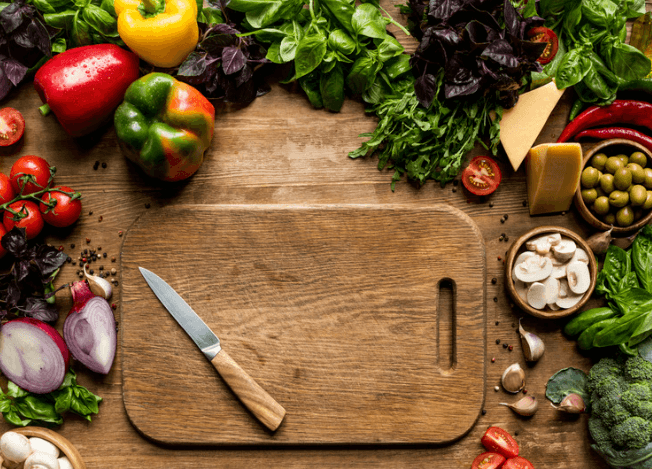
In the culinary world, the cutting board serves as an unsung hero. Often overshadowed by the glamor of gourmet knives and intricate cookware, its significance in food preparation cannot be overstated. Yet, amid a myriad of options—plastic, bamboo, wood, and glass—one might ponder: “Which cutting board is truly conducive to health?” This playful inquiry leads us into an exploration of cutting boards and the hidden challenges they may present. Understanding the implications of material choice, maintenance, and hygiene can guide consumers toward making an enlightened decision.
To embark on this journey, we first classify cutting boards into several categories: plastic, wood, bamboo, and glass. Each material offers distinct benefits and drawbacks that can impact health and safety in the kitchen.
Plastic Cutting Boards
Plastic cutting boards, often made from polyethylene, are a popular choice in many kitchens due to their affordability and ease of cleaning. They are dishwasher-safe, which encourages regular sanitization—a crucial factor in preventing cross-contamination of bacteria. However, it is imperative to note that plastic can harbor scratches and grooves that may accumulate bacteria over time. Thus, frequent inspection and timely replacement are essential to maintain a hygienic surface.
Moreover, the safety of plastic boards hinges on the type of plastic used. High-density polyethylene (HDPE) is generally considered safe, while boards made from recycled plastics may leach harmful substances. Hence, it is prudent to select high-quality, food-grade plastic products.
Wooden Cutting Boards
Wooden cutting boards, particularly those made from hard woods such as maple or walnut, are esteemed for their durability and aesthetic appeal. Beyond their visual charm, they possess natural antimicrobial properties, which can help reduce the presence of harmful bacteria. Pertinently, wooden boards are less likely to develop deep grooves, thereby mitigatating the risk of bacterial harboring. However, to reap these benefits, a commitment to proper maintenance is paramount.
Wooden boards require regular oiling to prevent drying and cracking. Additionally, they should be cleaned with mild soap and warm water rather than submerged in water, as excessive moisture can warp the wood. The challenge lies not only in their upkeep but also in ensuring that they are adequately sanitized to prevent any potential health risks.
Bamboo Cutting Boards
Bamboo cutting boards have emerged as an eco-friendly alternative to traditional wood. Known for their remarkable hardness, they are less prone to cuts and scratches. Though bamboo does not possess inherent antimicrobial properties like hardwoods, it still offers adequate resistance to bacteria when properly cared for. The challenge, however, resides in the fact that bamboo can be more prone to moisture damage if not dried properly after washing.
Moreover, bamboo boards are often made from split bamboo rather than laminated strips, which can lead to structural weakness over time. Consumers should ensure they purchase high-quality, properly constructed bamboo boards, ideally those certified by sustainable forestry initiatives.
Glass Cutting Boards
Glass cutting boards present a stark contrast to their wooden and plastic counterparts. Their non-porous surface makes them resistant to stains and odors, allowing for simple sanitization. While quickly cleaning a glass cutting board may seem advantageous, it poses unique challenges regarding knife maintenance. The hardness of glass can dull knives significantly quicker than softer materials, risking the integrity of your cutting instruments.
Additionally, glass boards can be slippery during food preparation, potentially leading to accidents or injury. Careful consideration must be given to food types being prepared on this surface, as heavier items may cause unexpected instability. The user must weigh the aesthetic allure of glass against their functional limitations.
Hygiene Practices: The Overarching Imperative
Beyond the material selection, the overarching aspect of maintaining a healthy cutting board is hygiene. Regardless of the type chosen, regular scrutiny for scratches, deep cuts, and discoloration is vital. To ensure optimal sanitation, a rigorous cleaning regimen should be adhered to. Using a diluted bleach solution or vinegar is recommended for plastic boards, while wooden boards can be effectively disinfected with salt and lemon juice.
Furthermore, it is prudent to designate separate boards for raw meat and vegetables to avoid cross-contamination. The implementation of good practices not only enhances health and safety but fosters confidence in food preparation.
Final Thoughts
In the quest for the healthiest cutting board, one must navigate through a labyrinth of options, weighing their unique attributes against hygiene parameters. Each material—plastic, wood, bamboo, or glass—carries its own set of advantages and shortcomings. Ultimately, the selection hinges on personal preference, lifestyle, and the degree of commitment one is willing to invest in maintenance and sanitization. As culinary artists in our kitchens, it is prudent to embrace a holistic perspective that encompasses not only the delight in food preparation but also vigilance toward health implications. In this way, we can triumph in our culinary endeavors, equipped with the right cutting board for a nourishing lifestyle.

Leave a comment