

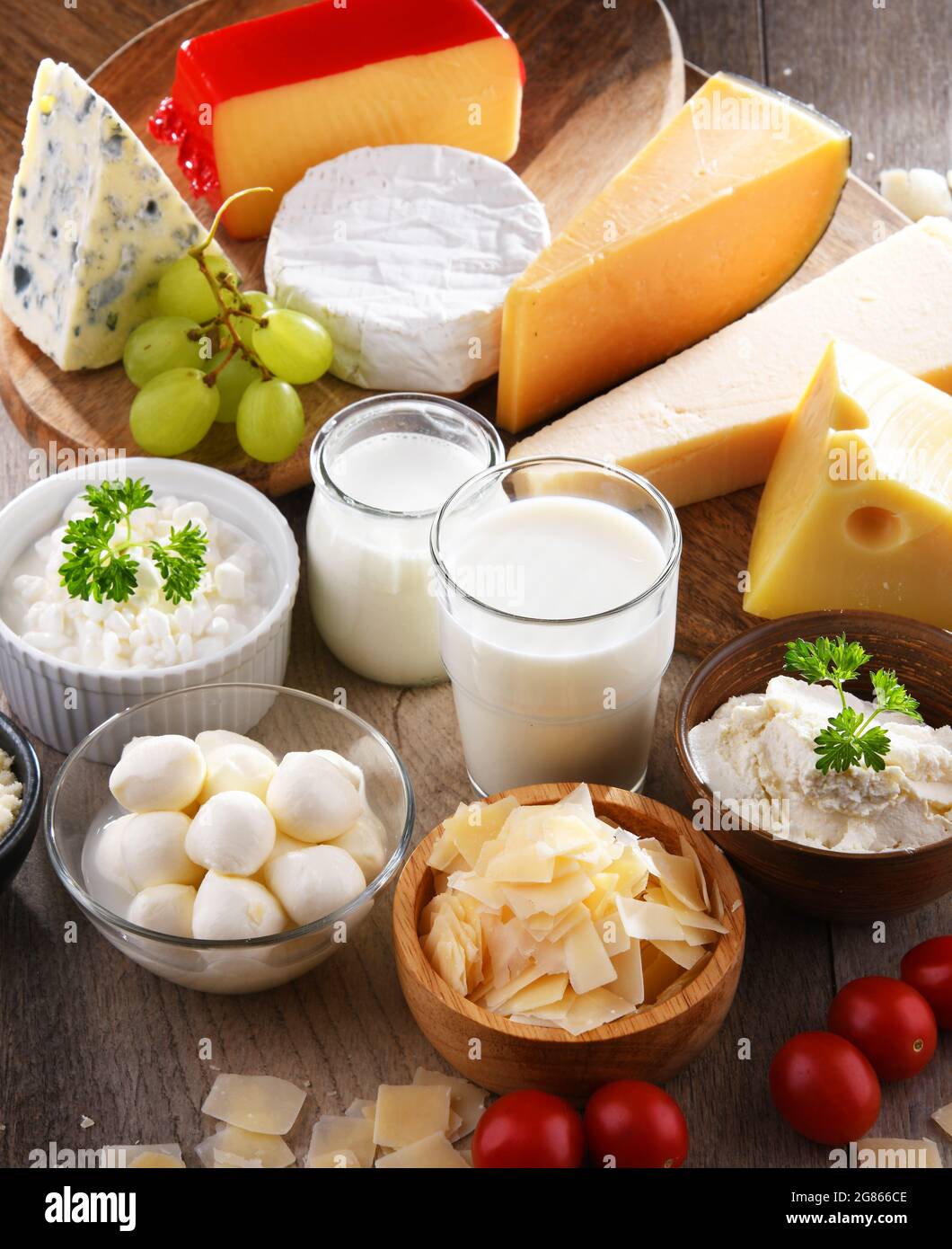
When delving into the realm of dairy products, one may find themselves pondering the intricacies of their composition, particularly the fat content. This inquiry is not merely a pursuit of dietary information, but a quest that reveals the complexities of flavor, texture, and even culinary applications. Understanding which dairy product boasts the highest percentage of fat invites not only a nutritional examination, but also a deeper appreciation of the artful craftsmanship involved in dairy production. Throughout this exploration, we shall unveil the layers of this ostensibly simple question.
To initiate this discourse, it is imperative to grasp the foundational aspects of dairy products. Broadly categorized, dairy can be segmented into several types: milk, cheese, yogurt, cream, and butter, each exhibiting diverse fat concentrations. It is the latter categories, particularly butter and cream, that prominently feature in conversations regarding fat content. The art of creating these products is an age-old practice that has evolved significantly, yielding varieties that are a testament to regional traditions and technological advancements.
Commencing with butter, this beloved dairy staple is predominantly revered for its rich, creamy texture and robust flavor profile. Butter is typically composed of approximately 80% fat, rendering it one of the highest fat content dairy products in common use. However, this generalized assertion can walk a fine line, as the fat percentage can fluctuate slightly depending on factors such as the method of production and the type of milk utilized. For example, European-style butters can reach fat contents of up to 82% or more, further accentuating their luxurious mouthfeel. The composition of butter not only adds creaminess to culinary creations; it also plays an integral role in the process of emulsification, enabling it to blend harmoniously with various ingredients.
Moving beyond butter, we encounter the equally indulgent heavy cream. This dairy product, often found in a variety of culinary applications, typically contains around 36% to 40% fat. While it does not surpass butter in fat percentage, heavy cream possesses unique properties that elevate it in culinary endeavors, especially in sauces and desserts. The transformation of this dense liquid into whipped cream or its ability to enrich soups and sauces demonstrates its versatility in both home kitchens and professional establishments. Heavy cream dances between the line of liquid and whipped substance, allowing for a delightful expansion of textures in gastronomy.
In a slightly different vein, we uncover cream cheese, which, although classified as a spreadable cheese, deserves mention. This dairy product usually contains between 33% and 35% fat. Its velvety mouthfeel and tangy flavor make it an indispensable ingredient in many dishes, from cheesecakes to savory dips. While its fat content is significant, it is the combination of creaminess and tanginess that captivates culinary enthusiasts. Moves towards artisan cream cheeses have also birthed varieties with elevated fat content, primarily for gourmet applications, but still, it does not surpass those of butter and heavy cream.
Transitioning into the realm of cheeses, an entirely new spectrum of fat content emerges. The diversity of cheeses—from hard to soft, aged to fresh—widens the scope of this inquiry. Mascarpone, an Italian cream cheese, is lauded for its decadent richness and typically contains around 44% to 46% fat, showcasing a lofty position among cheeses. Its luxurious, buttery profile renders it a quintessential ingredient in applications such as tiramisu and rich frostings. Notably, its elevated fat percentage allows it to maintain an exquisite creaminess, rendering it irresistible in both savory and sweet dishes alike.
Conversely, other cheese varieties like ricotta and mozzarella possess significantly lower fat percentages, typically hovering around 15% to 25%. This demonstrates the stark contrast between cheese types and invites curiosity over their culinary applications. Lower-fat cheeses are favored for their unique flavors and provide a lighter alternative, particularly in baked dishes and salads.
Considering the broader implications of fat content in dairy products, it is crucial to acknowledge the nutritional perspectives as well. “Fat” often elicits concern regarding health implications, yet recent trends have begun to highlight the importance of fats in a balanced diet, particularly those sourced from dairy. The presence of conjugated linoleic acid (CLA) in some high-fat dairy products, for instance, has garnered attention for its potential health benefits.
Furthermore, the conversation cannot circumvent the concept of ethical dairy sourcing. The methods of production vary, impacting both the quality and the nutritional profile of the resulting products. Artisanal producers often emphasize traditional techniques that may yield higher fat concentrations in the finished product, reflecting a commitment to quality over mere commercial viability. Hence, consumers are invited to consider not merely the fat percentage but also the source and method by which dairy products are obtained.
In conclusion, while butter stands atop as the dairy product with the highest fat concentration at approximately 80%, heavy cream and mascarpone also present formidable percentages that are noteworthy in both culinary and nutritional contexts. This exploration into dairy fat content opens a door to appreciation and understanding, inviting consumers to engage deeply with their food, to question not only nutritional value but also quality, source, and the rich tapestry of traditions that each product embodies. Rather than merely a number, the fatty landscape of dairy products serves as a gateway to broader considerations of craftsmanship, health, and culinary innovation.

Leave a comment