

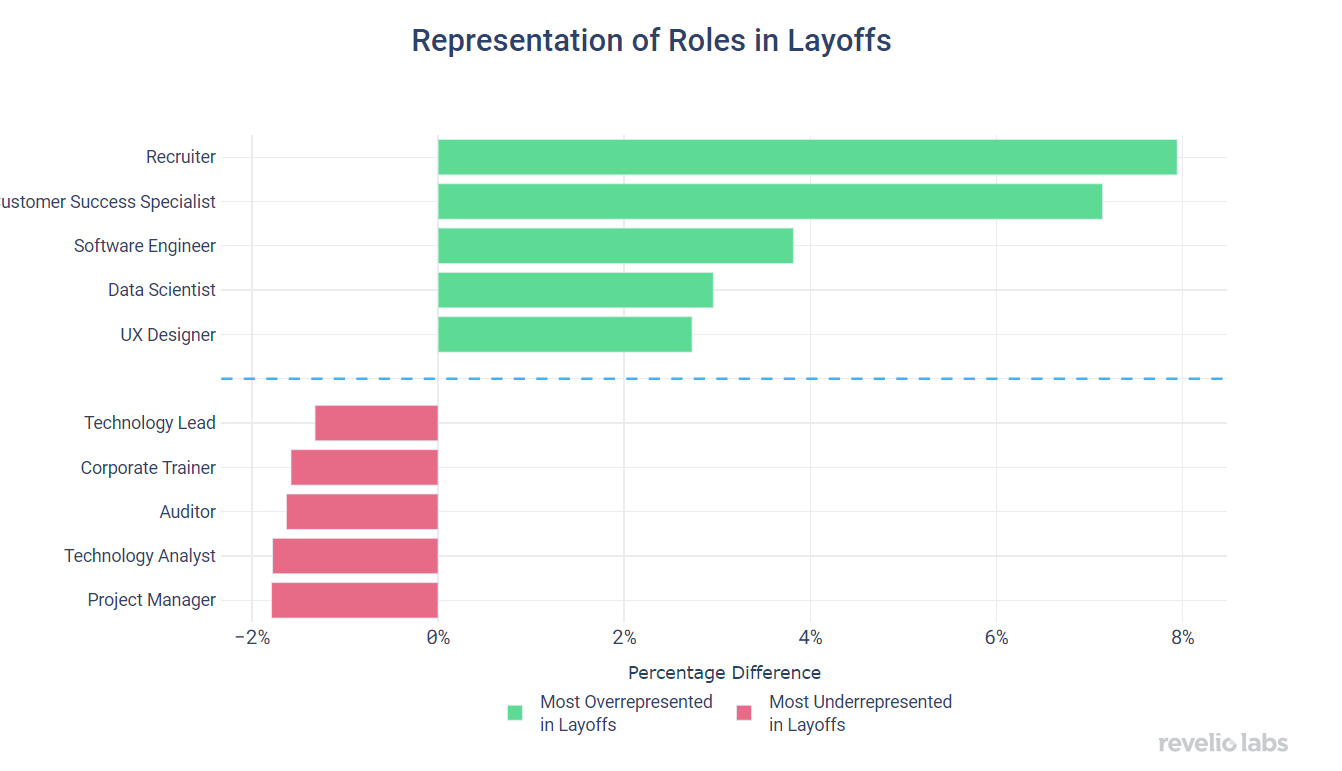
The corporate sphere, akin to a ship navigating tumultuous waters, often finds itself in dire straits during periods of financial uncertainty. As companies strive to stabilize their hull and retain buoyancy, the inevitable measure of layoffs surfaces, raising critical questions about which departments face the brunt of this tumult. Just as the crew may jettison excess weight to save a sinking vessel, organizations prioritize departments for layoffs based on strategic considerations. This discourse aims to elucidate the departments most susceptible to layoffs and the underlying rationale for their precarious positions.
Primarily, one must understand that companies, irrespective of size, operate under a delicate balance of revenue generation and operational costs. When financial distress looms, the departments that do not directly contribute to profit alignment tend to be on the chopping block. The marketing and communications division often emerges as a prime candidate for cuts, as it is perceived to contribute to consumer engagement rather than direct revenue. In a landscape where profits are prioritized, the allure of curtailing expenses in marketing can be irresistible.
While it may seem detrimental to diminish marketing efforts, businesses frequently adopt a shortsighted perspective, failing to consider the long-term repercussions. Severing ties with the marketing team may yield immediate cost savings, yet it can also erode brand identity and customer loyalty, akin to discarding essential navigational charts in unknown waters. Ultimately, prioritizing short-term financial relief over sustained growth can lead to a tumultuous future.
Next, one must turn their gaze toward the human resources (HR) department. In many ways, this department serves as the heart and circulatory system of an organization, managing the lifeblood of human capital. However, in the throes of economic upheaval, HR may find itself in a precarious position. Some organizations misconstrue the role of HR, viewing it as merely an administrative function rather than a strategic partner. Consequently, layoffs in HR can occur as companies seek to streamline operations.
Naively, organizations may relinquish their most crucial asset—human resources expertise—during these turbulent times. By cutting HR staff, companies may inadvertently exacerbate their predicament, facing challenges in talent acquisition, retention, and fostering workplace culture. Just as a ship requires a skilled navigator to traverse unfamiliar territories, organizations need HR professionals to steer personnel matters during uncertain times.
Another department frequently encountering downsizing is research and development (R&D). This vital area is akin to the ship’s engine room—working tirelessly to propel innovation and growth. However, in the face of budget constraints, R&D can be viewed as an area where expenditures could be trimmed. Glaringly short-sighted, such decisions often stifle innovation and reduce competitive advantage.
When organizations neglect R&D, they risk stagnation, allowing rivals to chart new seas while they remain anchored to past endeavors. A company that opts for reduced investment in R&D may find itself a relic in an ever-evolving marketplace. As the metaphorical ship assumes water, neglecting innovation equates to remaining unfazed by the raging storms outside.
Furthermore, administrative roles are often eliminated as companies endeavor to streamline their operations. These positions, while critical to organizational functionality, are often viewed as expendable from a managerial vantage point. The instinct to create a leaner organization may lead to cuts in administrative support, leading to increased strain on existing staff and burning the candle at both ends.
While the intent of efficiency is commendable, eliminating administrative roles can disrupt workflow and diminish productivity. As departments operate without adequate support, the entirety of the organization can experience a ripple effect, potentially destabilizing operations and exacerbating disruptions. Thus, organizations must thread the needle carefully, balancing the desire for cost savings against the necessity of collaboration and cohesion.
In addition to specific departments, an organization’s cultural fabric plays a crucial role in layoff decisions. Departments characterized by a toxic culture or low morale may become ripe for layoffs. Ultimately, culture offers a lens through which productivity and dysfunction are evaluated—and departments lacking cohesion often encounter the axe first. In such an atmosphere, employees may lack motivation or fail to align with overarching company values, prompting management to consider strategic cuts.
Conversely, departments with high morale, collaborative spirit, and alignment with corporate objectives tend to withstand the fiscal storm. An engaged workforce often serves as a bastion against layoffs, compelling leadership to prioritize retention of talent and resources over abstract numbers. Thus, cultivating a supportive, inclusive culture becomes paramount, protecting departments such as sales and operations from the tumult of downsizing.
Lastly, it is crucial to acknowledge that external factors—market conditions, industry trends, and technological advancements—can precipitate layoffs across various departments. As organizations recalibrate their operational paradigms, they must remain cognizant of the changing landscape. Those departments ill-equipped to adapt to the evolving terrain may find themselves on the metaphorical iceberg, resembling Titanic’s fate.
In conclusion, an understanding of which departments are likely to face layoffs requires a nuanced appreciation for organizational dynamics. Marketing, HR, R&D, and administrative roles are often at the forefront of downsizing efforts. However, leaders must enter into such decisions with foresight, recognizing the intertwined nature of departments and their contributions to the overarching corporate ecosystem. In navigating the treacherous waters of layoffs, organizations must weigh immediate financial relief against the potential long-term repercussions, ensuring they remain adeptly afloat in the ever-changing seas of commerce.

Leave a comment