

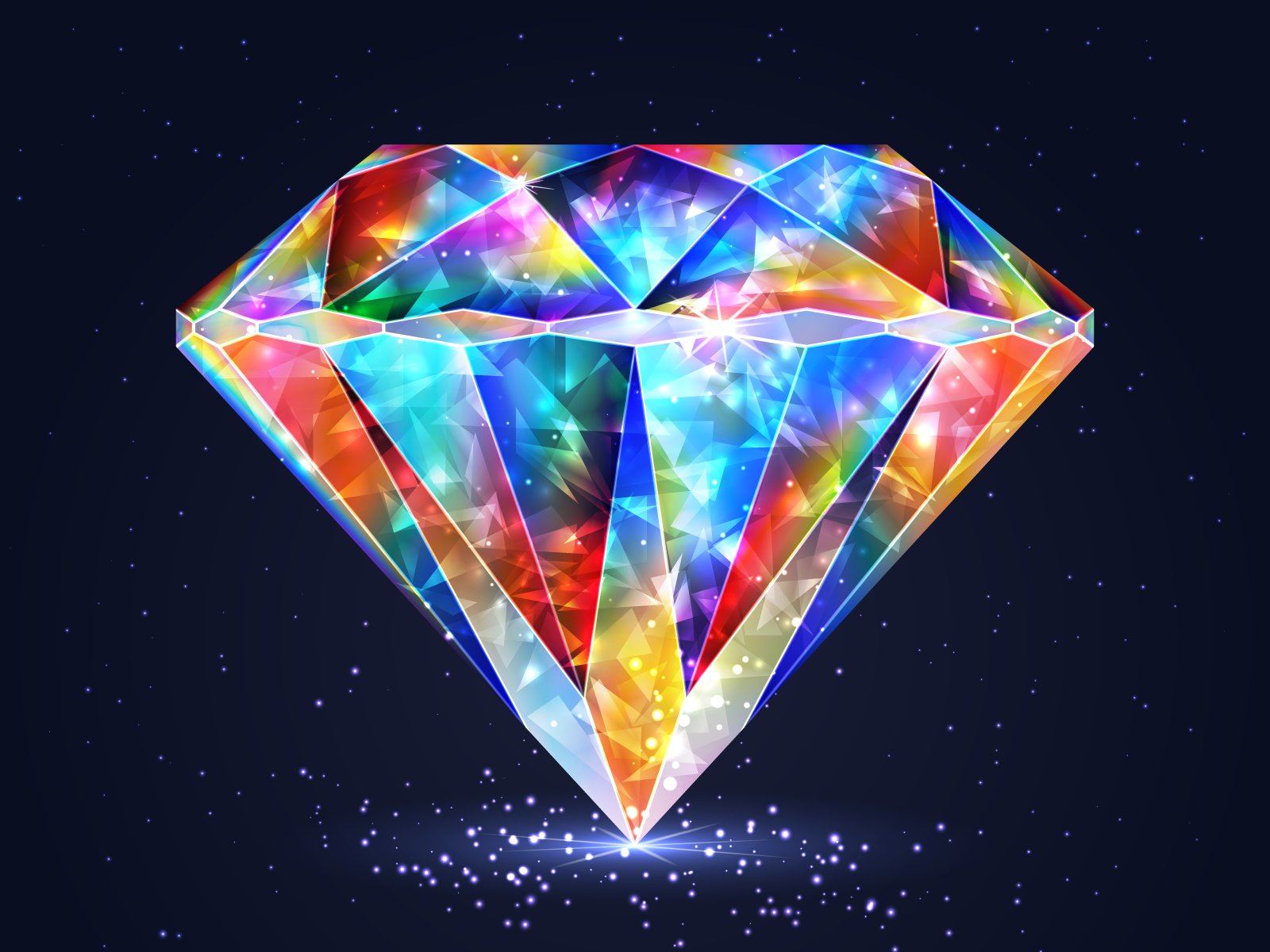
When it comes to choosing a diamond, one of the most frequently pondered questions is which cut appears the largest. This query transcends mere aesthetics; it reflects an underlying fascination with size, brilliance, and the psychological implications associated with each facet of these exquisite gems. While various factors contribute to the perception of size, certain diamond cuts are renowned for maximizing visual impact. Herein lies an exploration of the diamond cuts that not only exude elegance but also create an illusion of grandeur.
The Impact of Cut on Perceived Size
The cut of a diamond is arguably its most critical attribute. It goes beyond shape, encompassing how a diamond is shaped and polished. A well-executed cut will enhance a diamond’s brilliance, fire, and scintillation—qualities that captivate onlookers and emphasize size. Grades such as “Excellent” or “Ideal” denote cuts that maximize light performance, thus elevating the perceived size of the diamond.
Round Brilliant Cut: The Classic Champion
Leading the list of diamond cuts that look largest is the round brilliant cut. Prized for its symmetrical facets and harmonious design, this cut boasts 58 facets that play with light in extraordinary ways. The round shape creates a symmetry that draws the eye, rendering it challenging to judge size accurately. Furthermore, the round cut tends to have a larger table surface area relative to its carat weight, creating an illusion of a larger size. The interplay of light refraction produces an enticing brilliance that creates a sense of expanse, making the diamond seem larger in appearance.
Princess Cut: Modern Elegance
The princess cut, an alluring nod to contemporary aesthetics, is another cut known for its ability to create the illusion of a larger diamond. Characterized by its square or rectangular shape and intricate faceting, the princess cut is skillfully designed to maximize brightness while providing a certain edginess. The sharp corners and relatively larger table surface can make stones appear grander. Additionally, the cut’s unique attributes allow for a wider range of stone sizes without sacrificing its visual impact, further enhancing its appeal.
Emerald Cut: The Vintage Option
While the emerald cut may seem counterintuitive for a discussion centered on size, its long, rectangular shape often creates an illusion of elongated dimensions. The step-cutting style generates a distinctive ‘hall of mirrors’ effect, which draws the observer’s focus and can make the diamond appear larger than its actual size. When viewed from the top, the emerald cut reveals a greater surface area, enhancing the perception of size. This cut gazes back at the beholder with an aristocratic acknowledgment of its vintage allure, proving that size is not merely a number but an experience.
Oval Cut: The Subtle Sophistication
The oval cut serves as a variant of the round brilliant, offering elongated proportions that trick the eyes into perceiving size. Its elliptical shape fits seamlessly into contemporary styles while imparting traditional charm—an ideal combination for those desiring a larger appearance. Often, oval cuts will appear larger than round diamonds of the same carat weight due to their elongated form and visually larger surface area. Furthermore, the symmetry and brilliance of an oval-cut diamond radiate an enchanting quality that further accentuates its size.
Marquise Cut: The Role of Shimmer and Illusion
Not to be overlooked, the marquise cut infuses an element of history and romance into the quest for larger appearances. With its distinctive boat-like shape, the marquise cut is crafted in a manner that allows for maximum carat weight, producing a diamond that appears larger than many of its counterparts. Its elongated nature draws the eye along its curves, creating the illusion of length. The juxtaposition of its reflective facets can evoke a feeling of antiquity and grandeur, appealing to those enamored with richness in both heritage and design.
Asscher Cut: A Surprising Contender
Unassuming at first glance, the Asscher cut stands as a testament to the idea that size perception can often be influenced more by visual presentation than physical dimensions. This cut resembles the emerald cut but with a more pronounced square shape. The larger facet openings exacerbate its light play, thus creating a striking surface area that can appear deceptively large. The depth of the Asscher cut also determines how light interacts with the diamond and can further the perception of size, making this cut deserving of recognition.
Conclusion: Beyond the Surface
Understanding which diamond cuts appear the largest involves delving deeper than mere statistics. It is a meticulous interplay between cut, facet design, and light interference. Each cut presents a unique allure, merging artisanal craftsmanship with mathematical precision to create illusions that can leave the observer spellbound. Whether one is drawn by the timeless appeal of the round brilliant or the contemporary charm of the princess, each choice reflects personal desires, aspirations, and the intrinsic allure of diamonds themselves. Ultimately, the quest for the largest-looking diamond transcends physical dimensions, encapsulating the emotional resonance each selection bears.

Leave a comment