

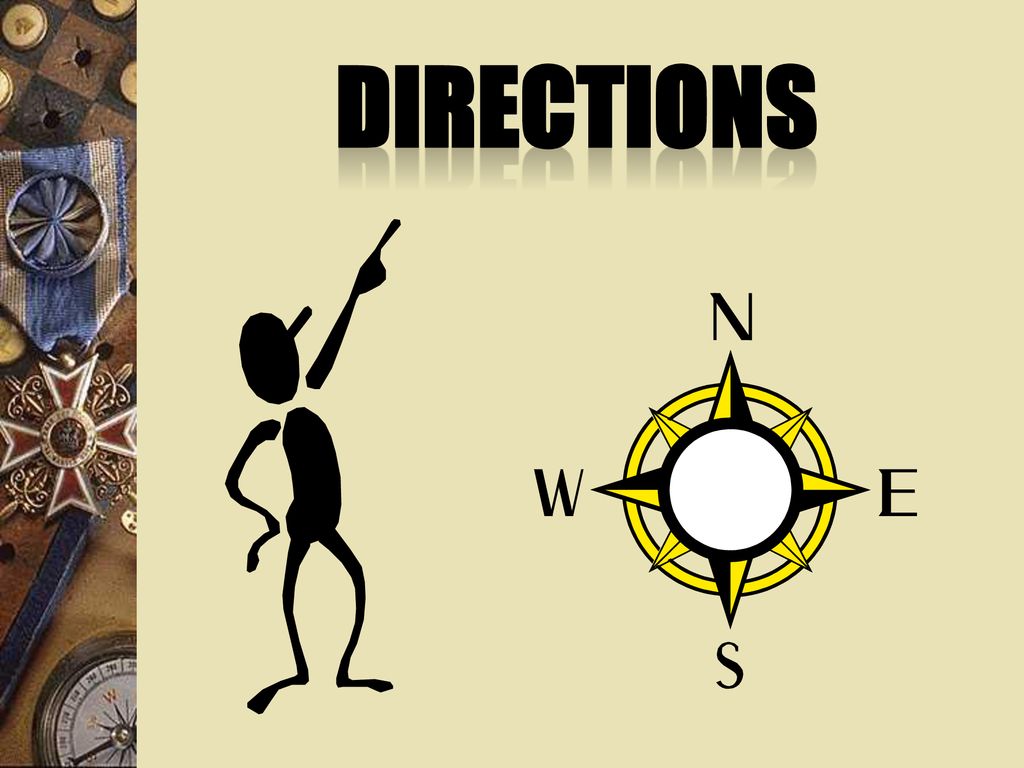
When considering the construction of a birdhouse, potential avian inhabitants should take precedence in the design, location, and orientation of the structure. Among these elements, one of the most critical factors is the direction in which the birdhouse faces. The orientation can affect not only the attractiveness of the house to different bird species but also their overall well-being. Understanding the nuances behind birdhouse orientation is essential for creating a harmonious habitat.
The prevailing prevailing philosophies align with ecological principles, emphasizing that human-built structures must serve the needs of wildlife. Therefore, the following guidelines provide an insightful look at how various orientations impact birdhouse efficacy.
1. Sunlight Exposure
Birds are inherently sensitive to temperature and sunlight. A birdhouse should ideally face a direction that balances an adequate amount of sunlight without overwhelming heat during peak seasons. Generally, a south or southeast orientation is preferable in most climates. This positioning allows the birdhouse to benefit from the morning sun while providing adequate shade during the hotter afternoons. For regions with extreme heat, facing the birdhouse slightly away from direct afternoon sunlight is advisable, ensuring that the interior remains hospitable.
2. Wind Protection
Addressing environmental factors is paramount. The natural topography and local wind patterns should be assessed when determining the orientation of a birdhouse. Ideally, a birdhouse should be positioned to mitigate the harshness of prevailing winds. Orienting the entrance hole away from the wind direction can offer shelter to the inhabitants. In many geographical areas, this means that positioning the front of the birdhouse on the opposite side of typical wind gusts enhances stability and comfort.
3. Predator Deterrence
The selection of direction also plays a role in safeguarding avian occupants from potential predators. A birdhouse that is oriented to minimize visibility from common ground predators or aerial threats can significantly increase the safety of its inhabitants. Placing the entrance hole in a position shielded by bushes or trees can deter predatory species from daring to approach. Hence, an understanding of the local fauna and the corresponding adjustments to the birdhouse’s placement is essential.
4. Nesting Behavior of Specific Species
Diverse avian species exhibit varied nesting habits, and understanding this behavior can inform orientation decisions. For instance, wrens and chickadees often prefer birdhouses facing east, as it aligns with their behavioral instincts to find shelter away from colder conditions. Conversely, bluebirds might be attracted to houses facing directly into the sun. Researching the particular species active in one’s area can optimize birdhouse success.
5. Accessibility for Care and Maintenance
While focusing on the avian residents, practicality should not be overlooked. The birdhouse’s orientation should also allow for easy access during maintenance. A front-facing entrance that is easily reachable is vital for the care regime, particularly during fledgling season. An orientation toward a clear pathway ensures that human visitors can perform regular inspections to check for any needed repairs or to clean out nesting materials post-season. This factor can often be neglected but is crucial for the sustained health of the bird population.
6. Seasonal Considerations
As seasons change, so do the environmental conditions that affect birdhouse placement. In winter, for instance, a birdhouse may benefit from a more sheltered orientation to protect against cold winds and winter precipitation. Conversely, a location that offers ample shade in the summer becomes more critical as temperatures can soar. This seasonal knowledge allows for adjustments to maximize comfort and security throughout the year.
7. Height and Proximity to Feeding Areas
Birdhouse placement is not solely about direction but also involves height and contextual positioning. A well-placed birdhouse should be installed sufficiently high to provide safety, ideally between five to ten feet off the ground. Furthermore, situating the house near natural feeding areas can entice birds to explore the habitat more actively. To enhance this locale, consider orienting the birdhouse towards the area’s feeding sources, such as berry bushes or native flowering plants, providing both aesthetic appeal and functional benefits.
8. Environmental Characteristics
Local biodiversity and ecosystem characteristics significantly influence birdhouse orientation. Factors such as tree cover, surrounding landscapes, and the prevalence of water sources can shape the viability of a birdhouse’s location. A comprehensive understanding of the local ecosystem not only informs placement strategies but can also guide homeowners regarding species diversity. For conservation-minded individuals, the interaction between diverse habitats and supplemental structures like birdhouses can contribute to ecological resilience.
Conclusion
Determining the optimal direction for a birdhouse is influenced by a variety of interconnected factors that cater to the needs of avian occupants. Sunlight exposure, wind protection, predator deterrence, nesting behaviors, maintenance access, seasonal dynamics, strategic height, and environmental characteristics all play pivotal roles in guiding these decisions. When these considerations are thoughtfully integrated, the result is a birdhouse that not only meets the aesthetic aspirations of its builders but, more importantly, fosters a nurturing environment for the delightful avian species that grace our surroundings.

Leave a comment