

When contemplating the installation of hardwood flooring, one of the seminal questions arises: which direction should the planks be laid? The orientation of the boards extends beyond mere aesthetics; it influences the perception of space, light, and even the comfort of movement within a room. This article delves into the myriad factors influencing the optimal direction to lay hardwood flooring, ensuring that homeowners and designers alike can make informed decisions.
Understanding the Basics of Hardwood Flooring Orientation
The direction in which hardwood flooring is laid is traditionally determined by multiple factors, including the shape and size of the room, the source of natural light, and the desired visual effect. While laying the planks parallel to the longest wall may seem intuitive, it is crucial to approach this decision with a comprehensive understanding of the underlying principles at play.
1. The Room’s Geometry
The geometry of the room is paramount when deciding on plank orientation. In rectangular spaces, laying the floorboards parallel to the longest wall typically creates a visual flow that enhances the perception of space. Conversely, in square rooms, where symmetry reigns, the choice becomes less straightforward. In such cases, diagonal installations may invigorate the area and introduce an element of dynamism, albeit at the cost of increased labor and material waste.
2. Natural Light Considerations
Natural light can dramatically alter the ambiance of a room. Orienting the planks to run towards windows or light sources not only maximizes the illumination afforded by sunlight but also contributes to a more inviting atmosphere. Sunlight’s play upon the wood grains can accentuate the natural beauty of hardwood, highlighting textures and colors. Furthermore, this alignment can mitigate the visibility of seams and imperfections, providing a seamless aesthetic appeal that can elevate the overall design.
3. Furniture Layout and Functional Use
A critical consideration in hardwood flooring direction is the functional use of the room and the layout of furniture. In spaces designated for relaxation and gatherings, such as living rooms or dining areas, consider how foot traffic flows. Aligning planks parallel to the main pathways encourages an unobstructed movement, making the space feel larger and more cohesive. On the other hand, in transitional areas like hallways, laying the boards perpendicular to the direction of travel can create visual breaks that guide the eye and improve navigation.
4. Structural Considerations
The structural integrity of the flooring system cannot be overlooked. Most hardwood flooring comes with specific installation instructions that may dictate preferential orientations based on the joist configurations of the subfloor. Aligning the planks with the floor joists typically optimizes stability and reduces the potential for warping over time. It is advisable to consult the flooring manufacturer’s guidelines or engage professional installers to ensure adherence to best practices.
5. Aesthetic Considerations
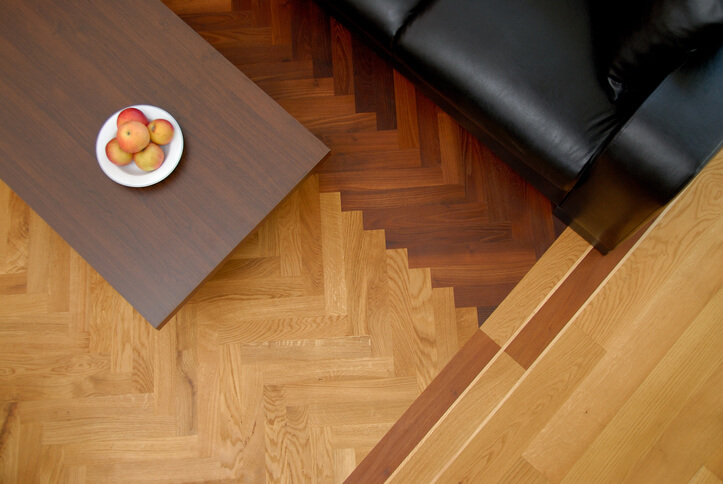
Aesthetic preferences are inherently subjective, yet they wield significant influence over the choice of plank orientation. Traditional layouts, in which planks run parallel to the preferred visual line, are often favored for their continuity and elegance. However, innovative trends in flooring installation advocate for unique orientations—such as herringbone or chevron patterns—that introduce an invigorating complexity and a sense of sophistication. Regardless of the chosen style, one must consider how the flooring interacts with other design elements, including wall colors, trim details, and lighting fixtures.
6. The Illusion of Space
Different orientations can create varying impressions of space. For instance, laying the floors perpendicular to the entrance can impart an expansive feeling, particularly in long corridors or narrow rooms. This technique serves to elongate the visual aspect of the space, fostering an impression of breadth and openness. Alternatively, diagonal installations can create an illusion of depth and dimension, especially in smaller rooms, drawing the eye towards the far corners and making the area feel more inviting.
7. Long-Term Considerations for Maintenance
While aesthetic and structural factors dominate the decision-making process, it is equally important to consider maintenance in the long term. Certain orientations may lead to more pronounced wear patterns, particularly in high-traffic areas. For instance, laying planks in the same direction as the primary path of foot traffic can result in uneven wear. To mitigate this, one might opt to change the direction in these areas or utilize area rugs strategically to divert the wear’s impact.
8. Conclusion
In summary, the direction to lay hardwood flooring is a multifaceted decision influenced by geometry, natural light, functionality, structural requirements, aesthetic desires, spatial perception, and long-term care. Each factor interplays with one another, forming a holistic framework within which homeowners can navigate their choices. Understanding these dimensions empowers individuals to make discerning decisions that resonate not only with their style but also with their practical needs. As you embark on this transformative journey, consider the myriad aspects thoroughly before committing to a final orientation, as this simple choice can significantly impact the essence of your home.

Leave a comment