

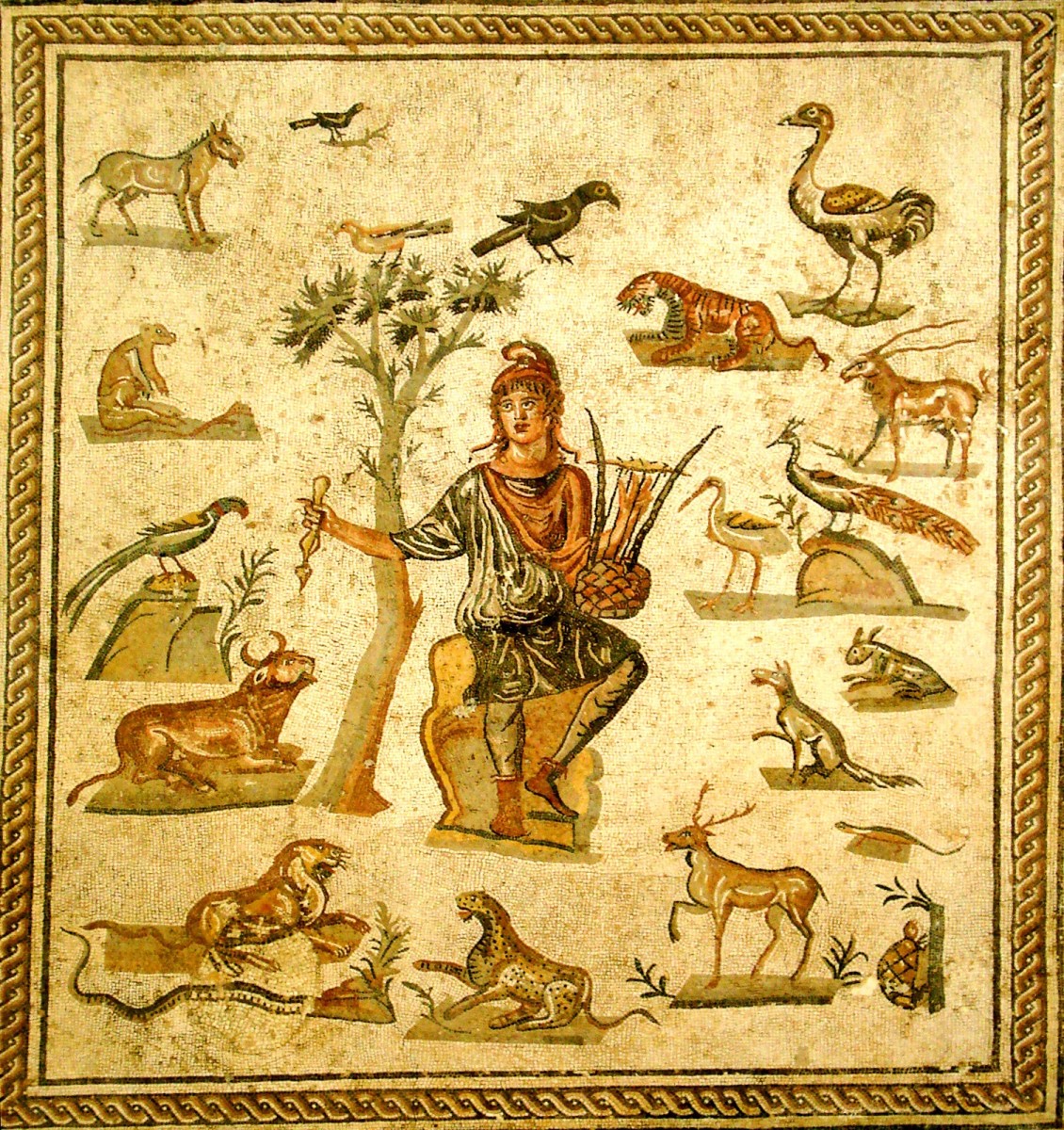
Mythology, at its core, serves as a bridge between humanity and the ethereal realm of the divine. This ancient form of storytelling is not simply a collection of fables but rather a tapestry woven with the threads of morality, culture, and existential musings. In exploring the features of myths, one can unearth the profound messages and societal constructs that permeate through time. This exploration offers a fresh perspective on human experience, inviting both introspection and curiosity about our shared heritage.
The Archetypal Characters
One of the defining features of myths is the presence of archetypal characters. These figures often embody universal traits and stand as representations of humanity’s collective psyche. Heroic protagonists, such as Odysseus in Greek mythology or Rama in Hindu epics, exhibit qualities like bravery and resilience. Conversely, antagonistic forces often take the form of mythical beasts or capricious gods, serving as obstacles to the heroes’ quests. These characters are not mere figments of imagination; rather, they reflect the complexities of human nature and the moral dilemmas faced throughout life.
Thematic Depth and Moral Virtues
Myths are replete with thematic depth, addressing fundamental questions that transcend time and culture. They grapple with existential themes such as creation, life, death, and the pursuit of truth. Central moral virtues emerge through the narratives, often extolling virtues like courage, wisdom, and humility. The tale of Prometheus, for instance, underscores the theme of self-sacrifice and the pursuit of knowledge, pushing boundaries that elucidate the human condition.
The Role of Supernatural Elements
In juxtaposition to the mundane world, myths frequently incorporate supernatural elements. Deities, spirits, and extraordinary phenomena abound, imbuing the narratives with an aura of mystique. These elements serve not only to captivate the imagination but also to signify the unknown forces that govern existence. The presence of a trickster god, such as Loki in Norse mythology, adds layers of complexity, demonstrating the unpredictable nature of fate and morality. The supernatural thus becomes a metaphor for the inexplicable, inviting audiences to ponder the mysteries of life and beyond.
Symbolism and Allegorical Significance
Myths are rich with symbolism, where objects, actions, and characters bear deeper meanings. Water, often a symbol of life and purity, can signify both creation and destruction. The journey of the hero frequently represents the archetype of personal growth and transformation. This allegorical significance allows myths to resonate on multiple levels, engaging not only the intellect but also the emotional and spiritual realms of the audience. Analyzing these symbols offers insight into the cultural values and beliefs of the society from which the myth emanates.
Cultural Reflection and Identity
The narratives encapsulated in myths are inherently reflective of the culture from which they arise. They serve as a mirror, showcasing the collective identity, aspirations, and fears of a society. For instance, the creation myth of the Indigenous Peoples often embodies themes of harmony with nature, underscoring the reverence for the environment. Conversely, myths from industrialized societies may reflect themes of progress, technology, and the conflicts arising therein. Consequently, engaging with these tales provides a unique opportunity to understand historical contexts and the evolution of cultural narratives over time.
Timelessness and Adaptability
Despite their ancient origins, myths possess a remarkable timelessness, readily adapting to contemporary issues and societal changes. The underlying themes of human experience remain relevant, enabling myths to transcend their geographical and temporal confines. Modern retellings of classical myths in literature and film illustrate this phenomenon. The resonance of Homer’s epics in today’s narratives reflects a persistent inquiry into the human condition, showcasing an enduring legacy. This adaptability invites new interpretations and perspectives, making mythology a dynamic field of study.
The Oral Tradition and Storytelling Techniques
The essence of myths as oral narratives contributes significantly to their enduring appeal. The art of storytelling involves not only the content of the tale but also the manner in which it is delivered. Rhetorical devices such as repetition, vivid imagery, and lyrical language enhance the listener’s experience, fostering a communal bond through shared narratives. The role of the storyteller, often revered in ancient cultures, emphasizes the significance of vocal delivery, intonation, and audience engagement. Such techniques ensure that myths are not static but alive, resonating across generations through dynamic performances.
Psychological Interpretation
Lastly, the psychological interpretation of myths sheds light on their significance in understanding the human psyche. Carl Jung’s concept of the collective unconscious introduces the idea that myths tap into shared human experiences, archetypes, and inherent truths. This psychological lens invites contemplation on personal and societal struggles, providing catharsis and enlightenment. Exploring myths through this framework allows individuals to confront their own narratives, fostering a connection with both ancient wisdom and contemporary personal challenges.
In conclusion, the exploration of myths reveals a rich tapestry of human experience, characterized by archetypal characters, thematic depth, supernatural elements, and cultural significance. These narratives offer profound insights into the complexities of life, encouraging reflection and curiosity about our existence and the universe. As we delve deeper into the world of ancient storytelling, we unearth not only the stories of our ancestors but also the enduring truths that bind us together in the human experience. Through the lens of mythology, we are invited to confront our past, engage with the present, and envision our future, fostering a continual dialogue with the treasures of the human spirit.

Leave a comment