

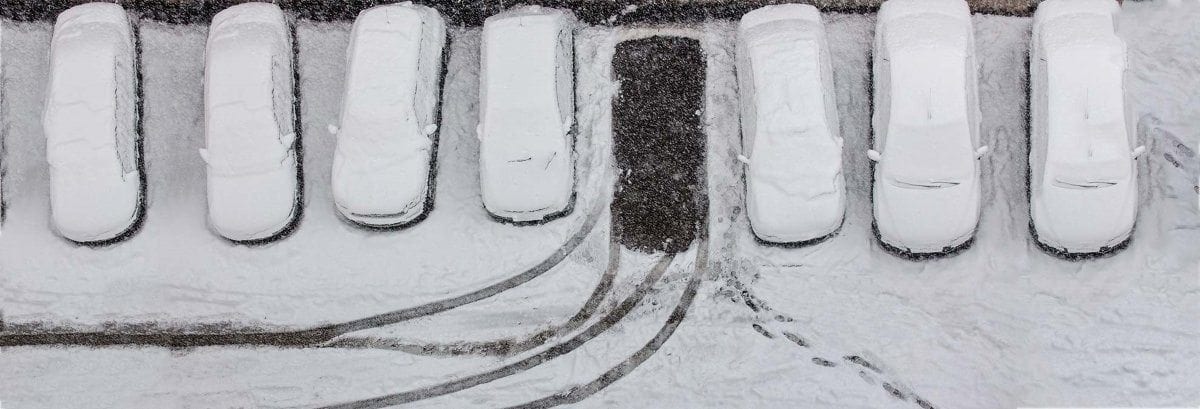
As winter casts its frigid grip across the landscape, the potential for icy road conditions heightens, necessitating an acute awareness of which areas are predisposed to freeze more rapidly than others. Understanding these zones can significantly enhance driver safety and performance, ensuring journeys are accomplished without mishap. The following sections elucidate various factors influencing the freezing of road surfaces and identify particular locations likely to be affected.
1. Overview of Road Surface Freezing Dynamics
Road conditions are subjected to myriad environmental variables, ranging from atmospheric temperature to geographic elevation. Freezing occurs when pavement temperatures drop below 32°F (0°C). However, this simple equation is ambivalent to the complexity of surface types, meteorological phenomena, and urban design which can alter the freezing timeline drastically. Key considerations include the thermal properties of different road materials, wind exposure, humidity levels, and proximity to heat-retaining structures.
2. Pavement Types and Their Freezing Characteristics
Different pavement materials exhibit varied thermal properties that influence their susceptibility to freezing. For instance, asphalt, a commonly utilized surface, retains heat longer than concrete. Consequently, roads paved with asphalt are less likely to freeze as quickly, particularly during daylight hours when sunlight can partially mitigate freezing. However, the insulating properties of asphalt can also lead to a rapid temperature drop once the sun sets, rendering certain roads perilous by nightfall.
Conversely, concrete surfaces tend to cool more quickly, making them particularly hazardous during the early morning hours, especially in shaded areas. Additionally, structures like bridges and overpasses pose unique challenges due to their exposure on all sides to ambient air, leading to faster heat loss compared to regular roadways. These structures are notorious for freezing before conventional roads, warranting heightened vigilance from drivers.
3. Shadowed Areas: The Impact of Topography
Topography plays a crucial role in determining which areas succumb to icy conditions first. Locations nestled within valleys or those shielded by topographical features experience limited sunlight during winter months. This leads to prolonged cold temperatures in these enclaves, fostering a greater likelihood of accumulating frost or ice. Such shaded areas may linger in temperatures conducive to freezing, particularly after an overnight snow or rain event.
Moreover, urban environments can exacerbate these conditions. Buildings and man-made structures can cast lengthy shadows, retaining cold in nearby streets while sunlit areas may remain clear. Drivers should be particularly cautious in urban settings; thoroughfares that are routinely in the shade—often found near tall buildings or heavily vegetated zones—are prone to icy patches.
4. Wind Exposure: The Chill Factor
Wind is another salient factor influencing road surface freezing. Areas that experience sustained gusts tend to cool more rapidly, promoting the formation of ice. Wind chill, defined as the perceived decrease in temperature felt by the body on exposed skin, has a parallel effect on road surfaces. This phenomenon is compounded by the fact that wind can strip away the delicate film of warmer air that might otherwise insulate roadways from colder atmospheric conditions.
Consequently, exposed roadways—particularly those at higher elevations—are generally at risk of freezing sooner than sheltered routes. Drivers traversing such terrains should remain vigilant, particularly at dawn and dusk when wind velocities can change abruptly and the temperature can plummet.
5. Intersection Caution: High-Risk Zones
Intersections present unique risks for winter driving. The accumulation of traffic combined with frequent stopping and starting can lead to challenging conditions where patches of ice may develop. The combination of idling vehicles contributing heat to road surfaces, followed by ice formation as temperatures drop, creates a volatile mix. Moreover, turning lanes and the curbside areas are often where ice accumulates unseen, creating treacherous conditions for motor vehicles as they navigate these zones.
Drivers should exercise additional caution while traversing these areas, particularly on early winter mornings when temperatures are often at their lowest, and lingering moisture from previous precipitation exacerbates the freezing potential.
6. Proactive Measures and Preparedness
Understanding the intricacies of winter driving and the areas most likely to freeze empowers drivers to take informed precautions. It is advisable to maintain a winter-ready vehicle—complete with appropriate tires, functional heating systems, and emergency kits. Additionally, planning ahead and monitoring weather forecasts can prepare drivers for impending icy conditions and help avoid unnecessary risks.
Engagement with local traffic authorities and utilizing resources like road condition and weather apps will also equip drivers with timely information about changing conditions in their area. Always approach known trouble spots—such as bridges, overpasses, and shaded areas—with heightened caution.
Conclusion
In summary, the likelihood of road surfaces freezing varies considerably across different types of terrain and conditions. Transportation safety is predicated, in part, on recognizing which areas are more susceptible to early freezing. By understanding the implications of material types, geographic features, wind exposure, and urban dynamics, drivers can forge a path of safety even amidst sub-zero challenges.

Leave a comment