

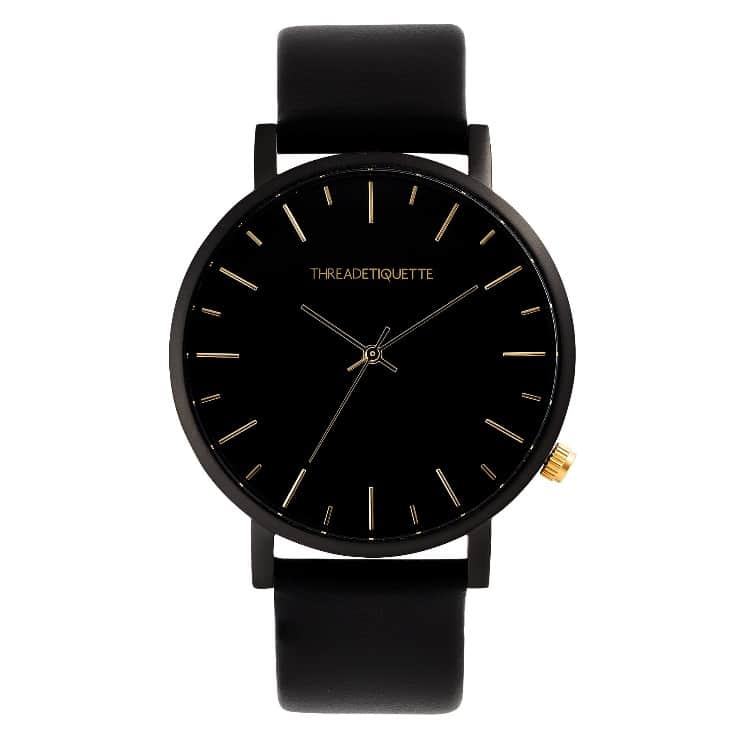
Wearing a watch transcends mere functionality—it’s a nuanced interplay of personal style, societal norms, and unspoken etiquette. The wrist, a seemingly innocuous canvas, becomes a stage upon which the story of time is narrated. As one contemplates which arm to adorn with this accessory, one enters a realm of tradition and contemporary style that is rich with significance. In this exploration, we shall decipher the timeless question: which arm should you wear a watch on?
To understand the imperative of watch placement, we must first delve into the historical context of wristwatches. Originally designed for practicality, the wristwatch evolved from a mere tool of deciphering time to a symbol of sophistication and status. In the annals of horological history, the left wrist was predominantly preferred, primarily attributed to the fact that the majority of individuals are right-handed. Consequently, placing a watch on the left wrist affords ease of access and operation for right-handed wearers. This basic principle of convenience sets a foundation upon which to build our understanding of watch placement.
However, as society progressed, the lines of etiquette became blurred, leading to diverse interpretations of watch-wearing conventions. Today, while many still adhere to the traditional placement of watches on the left wrist, it can be equally considered an aesthetic choice to wear one on the right. This flexibility beckons the need for a deeper examination of cultural nuances and personal proclivities that influence this decision.
One of the most compelling reasons for placing a watch on the left wrist is the implicit nod to functionality. For individuals who engage in hands-on work or sports, the left wrist becomes a logical choice, ensuring that the watch is less susceptible to wear and tear while allowing the dominant right hand to remain unobstructed. This practicality extends beyond mere convenience; it embraces a philosophy that values utility without compromising style.
Yet, as we immerse ourselves in the ocean of societal customs, the right wrist emerges as a contender for the spotlight. Those who seek uniqueness in style may gravitate toward wearing their watches on the right wrist. This choice invites intrigue and exudes confidence. In a world often dictated by norms, taking a stand to flaunt a timepiece on the opposite side can serve as a statement of individuality and defiance against traditional constraints. Such a choice can signify a commitment to personal expression, harmonizing the essence of time with the identity of the wearer.
As we assess the aesthetics of time-telling devices, we must also consider the nature of the watch itself. The design, size, and shape of the watch can influence which wrist is more appropriate for its display. A larger, bolder timepiece may resonate more harmoniously with the left wrist, visually integrating with the hand that is frequently in motion. Conversely, a delicate and intricate watch may find its home on the right wrist, taking advantage of the lesser-dominant hand to create a sense of balance and elegance.
In addition to these practical considerations, we must acknowledge the burgeoning trend towards gender fluidity in fashion. Once, the left wrist was seen as quintessentially masculine, while the right was often labeled as feminine. However, in contemporary society, these delineations are growing increasingly tenuous. Both men and women are free to choose their wrist based on personal preference, challenging conventional ideas regarding watch etiquette. This evolving notion provides a refreshing perspective—wristwatch placement should cater to the whims of the wearer, harmonizing with their unique style and narrative.
Moreover, we must not overlook emotional or sentimental factors that may influence wrist placement. A cherished heirloom watch, passed down through generations, may carry with it profound significance that transcends mere timekeeping. The choice of wrist could embody a connection to heritage, representing love and legacy. Wearing such a timepiece on either wrist can evoke nostalgia, thereby enriching the experience of time itself.
As we bring our discussion to a close, let us reflect on the role of societal context in watch-wearing etiquette. Cultural variations influence perceptions of wrist placement, making it paramount to remain attuned to the customs of one’s environment. In some cultures, wearing a watch may signify punctuality and professionalism; in others, it could symbolize leisure and relaxation. This cultural tapestry weaves an intricate narrative around watch-wearing that invites exploration from diverse perspectives.
Ultimately, the decision of which arm to wear a watch is not a question of right or wrong; rather, it is a celebration of individuality and expression. Whether one chooses the left wrist for its practicality or the right wrist for its boldness, each choice serves as a testament to the watch’s role as a personal artifact that transcends the mere act of telling time. In the grand theater of life, where time is both fleeting and eternal, the wrist becomes a canvas, and the watch, an artistic statement of one’s journey. Embrace this exquisite art of placement, and wear your watch not just as an accessory, but as a narrative entwined with your identity and the stories waiting to unfold.

Leave a comment