

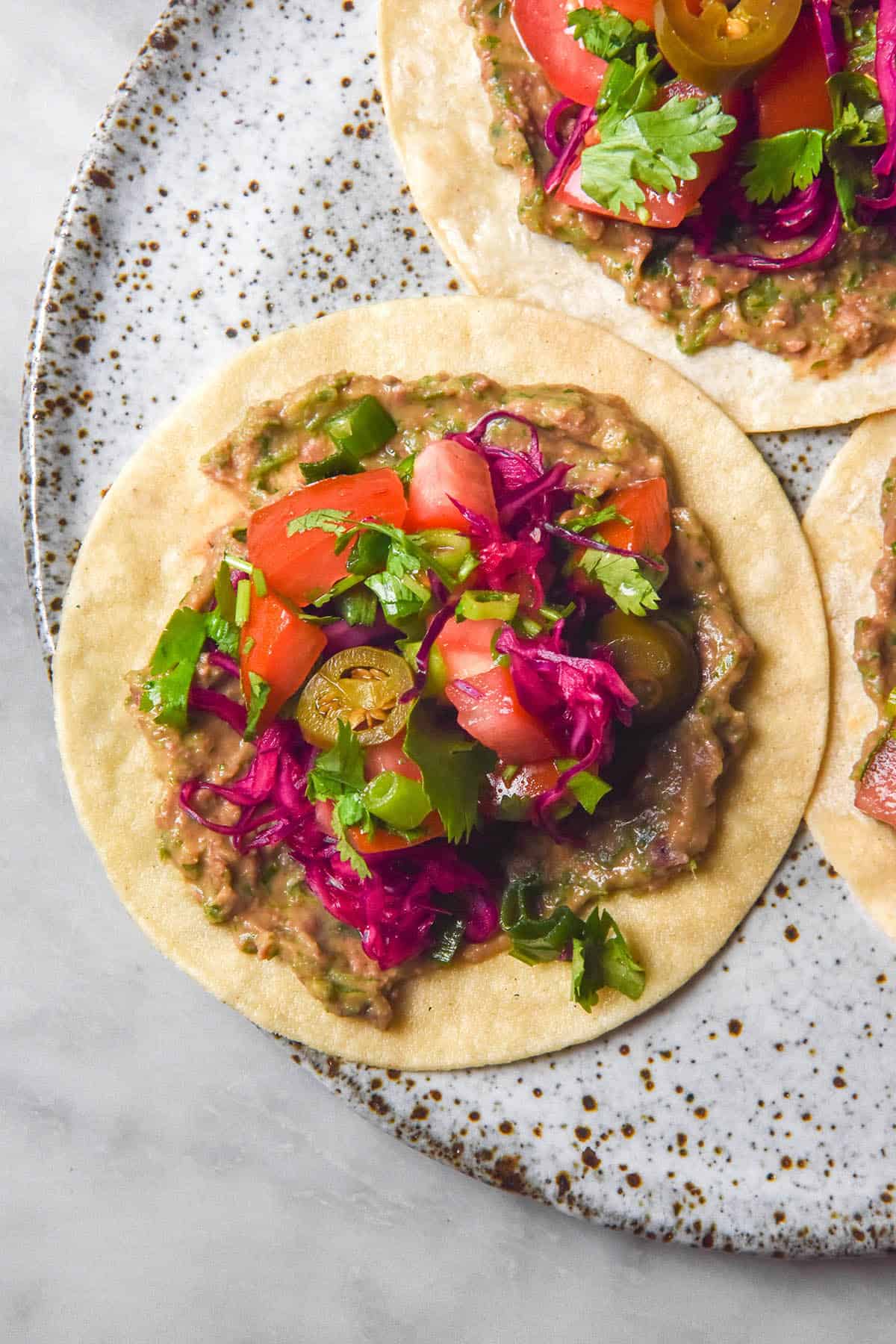
Beans are often hailed as a dietary staple, rich in fiber, protein, and an array of nutrients necessary for optimal health. However, for individuals with digestive sensitivities, particularly those with Irritable Bowel Syndrome (IBS), the consumption of certain types of beans can lead to discomfort. This discomfort largely arises from the presence of FODMAPs, a group of fermentable carbohydrates that can exacerbate gastrointestinal issues. Understanding which beans are low in FODMAPs is essential for maintaining digestive harmony while still enjoying the myriad benefits that legumes offer.
To navigate the complex landscape of legumes, it is imperative first to discuss the classification of FODMAPs. FODMAP is an acronym for fermentable oligosaccharides, disaccharides, monosaccharides, and polyols. Each category contains specific carbohydrates that can trigger symptoms in sensitive individuals. Among these, oligosaccharides, particularly fructans and galacto-oligosaccharides (GOS), are commonly found in many beans. Therefore, discerning the low FODMAP options is crucial for individuals seeking to optimize their digestive health.
Now, let us explore the varieties of beans available, delineating those that are low in FODMAPs from those that should be approached with caution.
Low FODMAP Beans
1. Canned Lentils: Traditionally, lentils can contain moderate amounts of FODMAPs; however, canned lentils present a different scenario. During the canning process, some of the FODMAP content leaches into the liquid, making rinsed canned lentils a low FODMAP choice. They deliver protein and fiber without the digestive distress associated with their dry counterparts.
2. Canned Chickpeas: Like lentils, canned chickpeas undergo a similar transformation. The key is to rinse them thoroughly before consuming. This preparation effectively reduces their FODMAP content. Chickpeas are versatile and can enhance salads, soups, and spreads, providing a texture that is both creamy and hearty.
3. Firm Tofu: Although technically not a bean, firm tofu is derived from soybeans and is a low FODMAP protein source. It is a crucial option for those on a plant-based diet. Firm tofu contains negligible amounts of FODMAPs while being an excellent medium for absorbing flavors in various dishes.
4. Green Beans: Unlike their dried counterparts, green beans are low in FODMAPs and can be enjoyed in various culinary applications. Their crunchy texture and sweet, grassy flavor make them an excellent component of salads, stir-fries, and casseroles.
FODMAPs-Rich Beans to Avoid
1. Black Beans: Black beans are often regarded for their nutritional profile; however, they are high in oligosaccharides, rendering them unsuitable for those adhering to a low FODMAP diet. Individuals with digestive sensitivities may experience significant discomfort upon consumption.
2. Kidney Beans: Similar to black beans, kidney beans are high in FODMAPs. They can cause bloating, gas, and other gastrointestinal distress, making them best to avoid even in smaller servings for sensitive individuals.
3. Pinto Beans: Pinto beans, while offering a rich flavor and texture, are also high in oligosaccharides. Those who consume pinto beans may likely experience adverse gastrointestinal symptoms that hinder enjoyment.
4. Baked Beans: Often high in added sugars and other ingredients which might exacerbate symptoms, conventional baked beans are usually high in FODMAPs. Their preparation often includes high-FODMAP components like onion and garlic, further complicating digestion.
Incorporating Low FODMAP Beans into Your Diet
With the knowledge of which beans to incorporate and which to avoid, it is vital to understand practical ways to include low FODMAP options in your meals.
1. Salads: Toss rinsed canned lentils or chickpeas into fresh salads. They not only add protein but also enhance texture, contributing to a more satiating meal experience.
2. Soups and Stews: Integrate firm tofu into soups for an extra protein boost. Pair it with low-FODMAP vegetables and herbs for a nourishing bowl of comfort.
3. Stir-fries: Utilize green beans in stir-fry dishes alongside chicken, fish, or other protein sources. The crunch of green beans adds a delightful contrast to the other components.
4. Snacks: Blend canned chickpeas into a creamy hummus to serve as a dip for cut vegetables. This not only curbs hunger but also enables a crispy, satisfying snack without the risk of digestive discomfort.
Conclusion
In conclusion, navigating the realm of beans as part of a low FODMAP diet is both a challenge and an opportunity. While a variety of beans are often loaded with nutrients, the presence of FODMAPs necessitates a careful selection process. Opting for low FODMAP choices—such as canned lentils, rinsed chickpeas, firm tofu, and green beans—allows individuals to enjoy the health benefits of legumes while minimizing digestive discomfort. As research in dietetics evolves, more information will undoubtedly emerge, further refining dietary practices for those affected by digestive health issues. For now, making informed choices about bean consumption can lead to improved gastrointestinal well-being and overall quality of life.

Leave a comment