

The world of beer is vast and enthralling, characterized by an astonishing array of styles, flavors, and brewing techniques. However, amid the myriad of choices available, one aspect incites considerable intrigue among enthusiasts: alcohol content. Understanding the nuances behind alcohol levels in beer is pivotal, not merely for connoisseurship but also for one’s overall drinking experience. This article delves into the factors that influence the alcohol content in beer, the measurement of these levels, and highlights some of the strongest beers available, thereby promising a shift in your perspective on this beloved beverage.
At its most fundamental level, the alcohol content in beer is quantified as Alcohol by Volume (ABV). This metric denotes the percentage of alcohol present in a given volume of beverage. To illustrate, if a beer possesses an ABV of 10%, it comprises 10 milliliters of alcohol in every 100 milliliters of liquid. This simple measurement belies the complexity of the brewing process that dictates these levels.
Brewing beer is an art, a science, and a delicate balance of ingredients. The primary constituents include water, malted grains, hops, and yeast. Each of these elements plays a pivotal role in determining the final alcohol content of the beer. To commence, malted grains, primarily barley, undergo a process known as mashing. This method converts starches into fermentable sugars. The quantity and type of malt chosen can substantially affect the beer’s sweetness and, consequently, its alcohol content.
Next comes the fermentation stage, where yeast becomes the protagonist. Yeast consumes the fermentable sugars produced during mashing, generating alcohol and carbon dioxide as by-products. The fermentation process can significantly influence the final ABV. Certain yeast strains are more efficient at converting sugars into alcohol than others, and the fermentation temperature can also yield variations in alcohol production. For instance, some Belgian-style beers employ specific yeast strains that result in higher alcohol levels without necessarily increasing the sugar content.
Moreover, the duration of fermentation cannot be overlooked. Extended fermentation periods may result in elevated alcohol levels, as yeast continues to consume sugars until they are exhausted. Additionally, brewers sometimes utilize techniques such as adding unfermented sugar or other fermentables to a batch post-mash to artificially enhance the ABV. This practice is prevalent among brewers aiming to produce high-octane craft beers that compete in the realm of extreme alcohol content.
The brewing process is not merely a technical endeavor; it is also steeped in creativity. Variations in brewing styles give birth to several categories of beer, each with its characteristic alcohol content. Lagers, ales, stouts, and IPAs exhibit varying levels of ABV. Typically, lagers hover around 4% to 5.5% ABV, while IPAs can reach up to 7% and even higher. Conversely, certain Belgian ales often venture into the realms of 8% to 12% ABV, showcasing the diversity accessible to the beer aficionado.
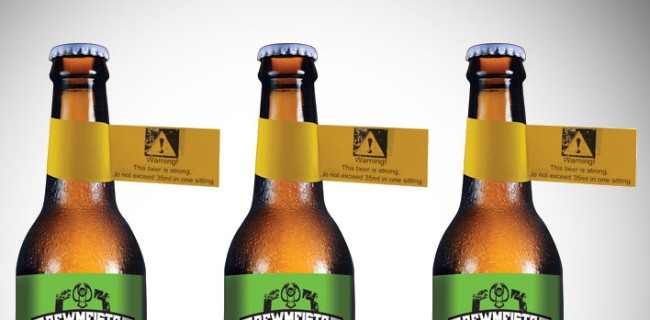
In recent years, craft breweries have embraced the challenge of creating high-alcohol brews, and the results have been nothing short of spectacular. Some of the most potent beers on the market are emblematic of this movement. For example, beers like BrewDog’s “The End of History,” with an astonishing ABV of 55%, undergo a unique freeze distillation process that concentrates the alcohol content. Others, such as “Snake Venom” by Brewmeister, peer beyond the conventional limits, flaunting an ABV of 67.5%, establishing it as one of the strongest beers available.
While such extreme examples can entice curiosity, it is crucial to approach high-ABV beers with discernment. Beers with elevated alcohol levels can lead to a significantly different tasting experience, often characterized by a warming sensation, sweetness, and intensified flavors. These complex profiles necessitate careful consideration in pairing and consumption. A high-ABV beer may complement rich, indulgent cuisines or serve as a dessert alternative, showcasing its multifaceted nature.
Furthermore, understanding the implications of alcohol consumption on health is paramount. Beers with higher alcohol content equivocate to greater caloric intake and increased potential for intoxication. The impetuous drinker may quickly find themselves overwhelmed if engaging with high-ABV selections without awareness. Therefore, moderation is vital; savoring such beers rather than consuming them in haste ensures a more rewarding drinking experience.
In addition, the trends influencing alcohol content in beers are continuously evolving. With breweries experimenting with new techniques and recipes, the variety and range of high-ABV beers are becoming increasingly dynamic. The burgeoning craft beer movement has catalyzed innovation, leading to frequently updated guidelines on what constitutes a ‘strong’ beer. It is advisable for enthusiasts to remain abreast of such developments to consistently discover new and exciting offerings on the market.
The exploration of high-alcohol beers opens a doorway to an enriching tapestry of flavors, aromas, and historical context. Each sip not only tantalizes the palate but also invites one to consider the craftsmanship involved in its creation. As you navigate through this expansive realm, bear in mind the delicate interplay of ingredients and methods that personalize each brew. The next time you seek a beer with high alcohol content, remember that you are engaging with an intricate and multifaceted beverage that continues to evolve.
Ultimately, embarking on a journey into the world of high-ABV beers transcends mere consumption; it is an exploration of culture, creativity, and community. By broadening your perspective on alcohol content, you will appreciate the complexities that each brew has to offer, transforming a casual experience into an enlightening adventure in the realm of beer.

Leave a comment