

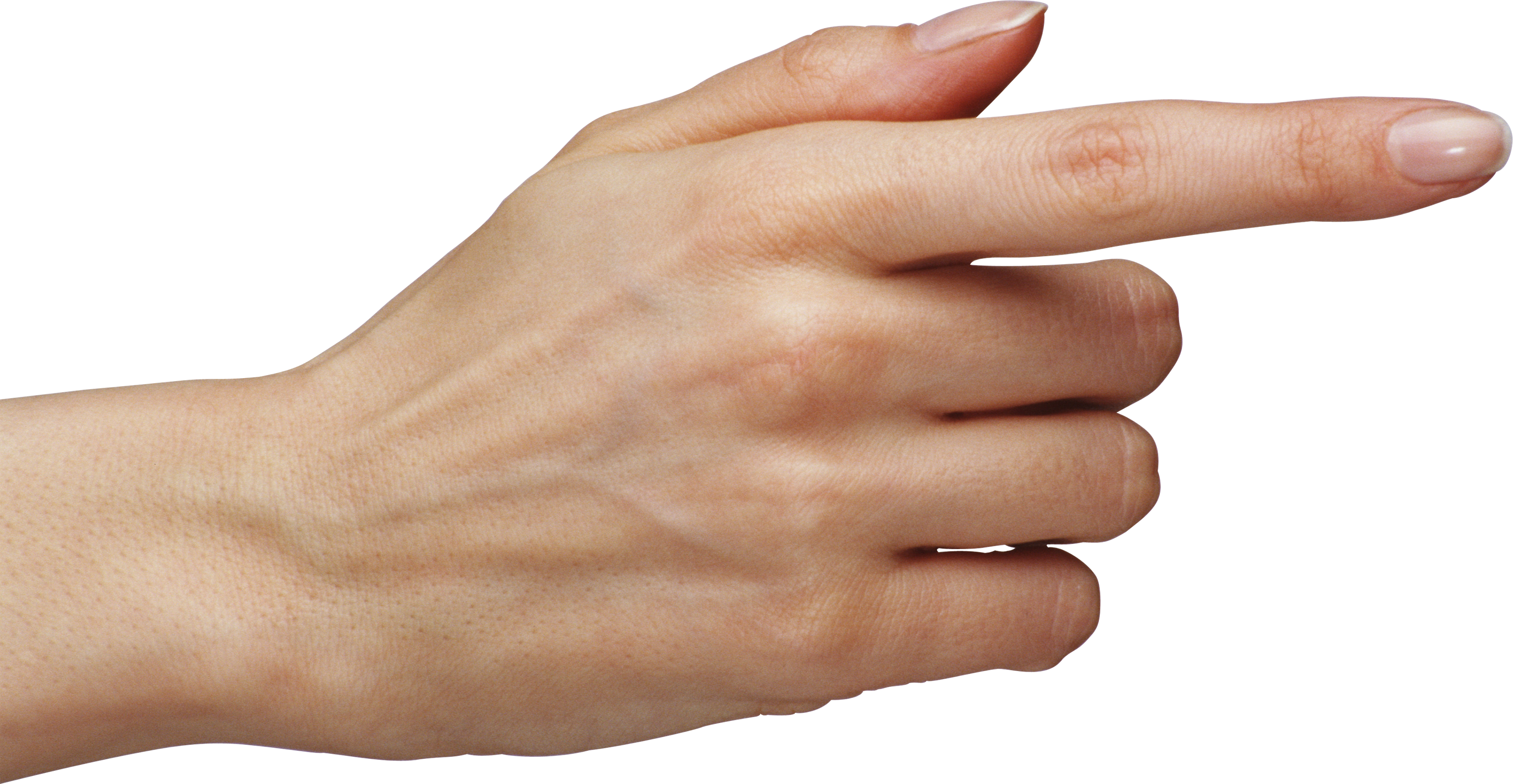
When it comes to the age-old tradition of ring-wearing, particularly engagement or wedding rings, the question “Which finger for ring?” unveils a rich tapestry of cultural significance, individual choices, and even a dash of playful quandary. The finger on which a ring is worn can convey myriad messages, from devotion and commitment to personal style and self-expression. In a world abounding with diverse customs, the task of determining the appropriate digit for ring adornment can be a delightful challenge.
The most recognizable choice for engagement and wedding rings in many Western cultures is the fourth finger of the left hand, often referred to as the “ring finger.” This preference is rooted in both historical and anatomical considerations. The ancient Romans believed this particular digit housed the vena amoris, or the “vein of love,” directly connecting to the heart. This romantic notion persists, influencing contemporary practices and imbibing a sense of sentimentality that couples often cherish.
Conversely, various cultures possess distinct customs regarding ring placement. For instance, in many Eastern European and Middle Eastern traditions, the right hand serves as the dominant choice for wedding bands. This divergence underscores a fascinating cultural dichotomy: while Western societies romanticize the left hand, others opt for the right, positioning the significance of the ceremony itself over the idealized symbolism of the vena amoris.
However, this challenge of selection does not solely rely on regional customs. There exists a plethora of individual considerations that can influence the choice of finger for ring display. Personal style, for example, plays a consequential role. Is the wearer inclined towards a minimalist aesthetic or a more extravagant flair? Such predilections can dictate not only the choice of finger but also the style and embellishments of the ring itself. A bold statement ring might demand prominence on the index finger, whereas a delicate band may elegantly reside on the pinky.
Additionally, the psychology of ring placement can evoke differing perceptions and interactions. A ring on the middle finger may signify assertiveness and authority, projecting confidence to the observer. In juxtaposition, the pinky finger, less conventional for wedding rings, can serve a romantic purpose, articulating playfulness and a unique sense of individuality. Challenges arise when one must consider the implications of these connotations within their relational dynamics—a veritable labyrinth of meaning and intention.
In examining the nuances of ring placement, one cannot overlook the impact of personal comfort and practicality. Consideration of hand size, finger shape, and even personal lifestyle can render a particular finger more appropriate than another. For example, those with larger knuckles may find that a ring on the ring finger feels constricting or uncomfortable, which could necessitate placement on an adjacent digit, offering a blend of comfort and aesthetic appeal.
Furthermore, the choice of metal or stone may guide the decision on finger placement. A titanium or tungsten band, perhaps used for its durability, might be more suited to the index finger for a more contemporary flair. Alternatively, an ornate diamond-studded piece may find its rightful place on the ring finger where it can garner admiration and reflect the light of commitment. The interplay between material and placement underscores the importance of considering the holistic presentation of the ring.
As society becomes increasingly diverse, emerging trends reveal fascinating shifts in ring-wearing customs. Unisex rings and designs that cater to non-binary identities challenge traditional binary frameworks, offering a tantalizing realm of possibilities. Some may choose to wear a wedding band on their left hand while opting for an engagement ring on their right. This decision not only creates a unique personal expression but simultaneously serves to challenge and redefine societal standards surrounding relationships and gender roles.
Formal events can also dictate which finger rings occupy; in some contexts, specific fingers may carry connotations of status or significance. For example, in corporate environments, wearing rings on the index and middle fingers may signify authority and leadership. When considering where to wear a ring, one must also be cognizant of the finely woven social fabric of expectations and perceptions.
Amid this intricate backdrop, personal stories emerge as critical factors guiding the decision of finger placement. For many, a family heirloom ring may inspire a deep emotional resonance, compelling the wearer to place it on a specific finger, irrespective of traditional norms. The sentimental value attached transforms the simple query of “Which finger for ring?” into a profound exploration of heritage, memory, and familial bonds.
As engagement and wedding practices evolve, the significance of finger placement becomes more fluid and subjective. The modern individual may gravitate towards symbols of love and commitment that are in harmony with their personal journey rather than rigid traditions. The beauty of this evolution lies in the autonomy it affords individuals, allowing them to carve their own narrative in the expansive tapestry of love and relationship.
In conclusion, the inquiry surrounding “Which finger for ring?” is a multifaceted dilemma intertwining history, culture, psychology, and personal storytelling. The playful nature of this question dares individuals to explore not only societal norms but also their own identities and choices. In a world rich with diversity, the finger chosen for ring-wearing opens an avenue for personal expression, challenges conventions, and celebrates the essence of love in its many forms.

Leave a comment