

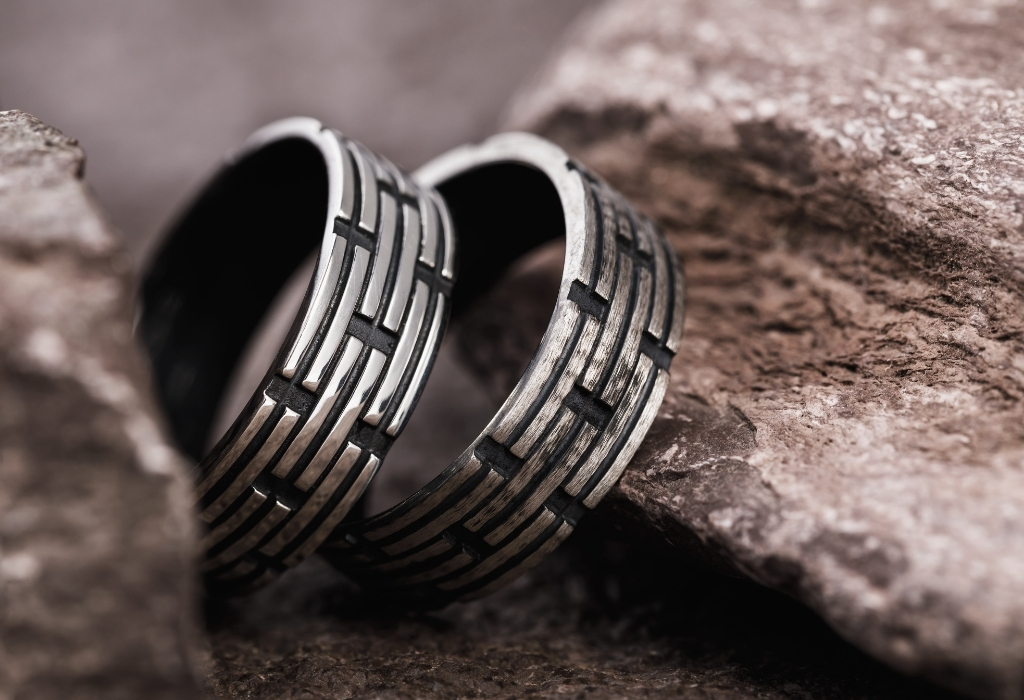
The subject of rings, particularly the significance of the various digits on which they are worn, is a topic steeped in cultural rituals, historical precedence, and personal expression. Speculation exists around the symbolism associated with each finger, and the concept of the “ring finger” emerges as particularly compelling within the realm of male adornment. To appropriately address a question as fundamental as “Which finger is the ring finger for men?”, one must traverse myriad cultural connotations and anatomical considerations.
Traditionally, the ring finger is identified as the fourth digit of the human hand, positioned between the middle finger and the pinky. This classification remains largely consistent across diverse cultures, although the finger’s societal significance can differ drastically based on geographic and cultural contexts. Historically, the ring finger has been attributed with a unique distinction: it is considered the digit most closely linked to romantic commitment. While many civilizations have established a norm regarding this finger, the reasons for this symbolism are manifold and often intertwined with both mythology and marriage customs.
In European cultures, it is common practice for men—and women—to wear wedding bands on their left hand, specifically on the ring finger. This tradition emanates from the ancient belief that a vein, popularly referred to as the “vena amoris” or “vein of love,” runs directly from this finger to the heart. Thus, wearing a ring on this particular digit signifies the deep emotional connection between spouses. While modern anatomical knowledge discredits this anatomical assertion, the romantic notion has endured and continues to influence contemporary practices.
Conversely, in some cultures, the ring finger is associated with the right hand. Cultures such as the Eastern Orthodox Christian traditions uphold the significance of the right hand for wedding bands, reflecting a belief in the sanctity and strength of the right side of the body. This divergence illustrates the potent cultural narratives that construe the ring finger not merely as a physical attribute but also as a vessel of sentiment, loyalty, and allegiance. Therefore, which finger is recognized as the “ring finger” in a man’s adornment can vary based on geographical and social milieu.
Interestingly, beyond marriage, the notion of the ring finger serves as a canvas for self-expression. Contemporary men may adorn their ring finger with various types of rings that signify personal achievements, family heritage, or aesthetic preferences. For instance, a signet ring, often worn on the ring finger, has been traditionally emblematic of familial identity and social status, while fashion rings signal individual flair. The prescriptive nature of this finger as a site for ornamentation invites reflection on broader societal dynamics regarding masculinity and the acceptance of male adornment in the modern age.
In examining the multifaceted meanings attributed to the ring finger, it is essential to acknowledge the broader societal implications of men’s jewelry. The attire of rings on the hands of men has historically oscillated between acceptance and disdain, as certain societal constructs have often viewed jewelry as a feminine accessory. However, the tide has shifted, leading to an increasing openness towards male elegance through accessories. Wearing a ring on the ring finger has emerged as a subtle affirmation of individuality, countering stereotypical gender norms.
Several factors exert influence upon the decision of which finger to wear a ring, particularly the ring finger. First, cultural heritage plays a significant role; the significance ascribed to a digit may vary between different ethnicities, lending credence to the decisions made by wearers. Moreover, personal style, the design of the ring, and the symbolism behind the piece influence choices significantly. A minimalist band might elicit a different sentiment on the ring finger than a bold gemstone might evince. Thus, the intersection of personal values and cultural contexts remains a decisive factor in dictating whether the ring finger will be adorned.
In addition to social and aesthetic considerations, practicalities also billow into the discourse surrounding the ring finger. The dexterity required for various tasks may deter some individuals from wearing rings on more mobile fingers. The ring finger, being comparatively less utilized than others, becomes a pragmatic choice for adornment. This relationship between functionality and expression offers a nuanced perspective on how men engage with jewelry. As such, the ring finger transitions from a mere anatomical classification to an emblem of harmonized individual choice reflecting both style and practicality.
In conclusion, men may wear rings on the ring finger—a digit historically laden with profound meaning and personal significance. Yet, what emerges from this exploration is a rich tapestry of expressions interwoven with cultural traditions and evolving societal norms. From denoting marital commitment to signaling personal identity, the ring finger serves as a versatile stage for male adornment. Ultimately, the decision regarding what finger a man chooses for his ring resonates far beyond mere aesthetics; it encapsulates an intricate interplay of history, culture, and individual expression. As understanding evolves, the ring finger continues to be a defining aspect of men’s jewelry—an enduring symbol of attachment and individualism that will remain relevant for generations to come.

Leave a comment