

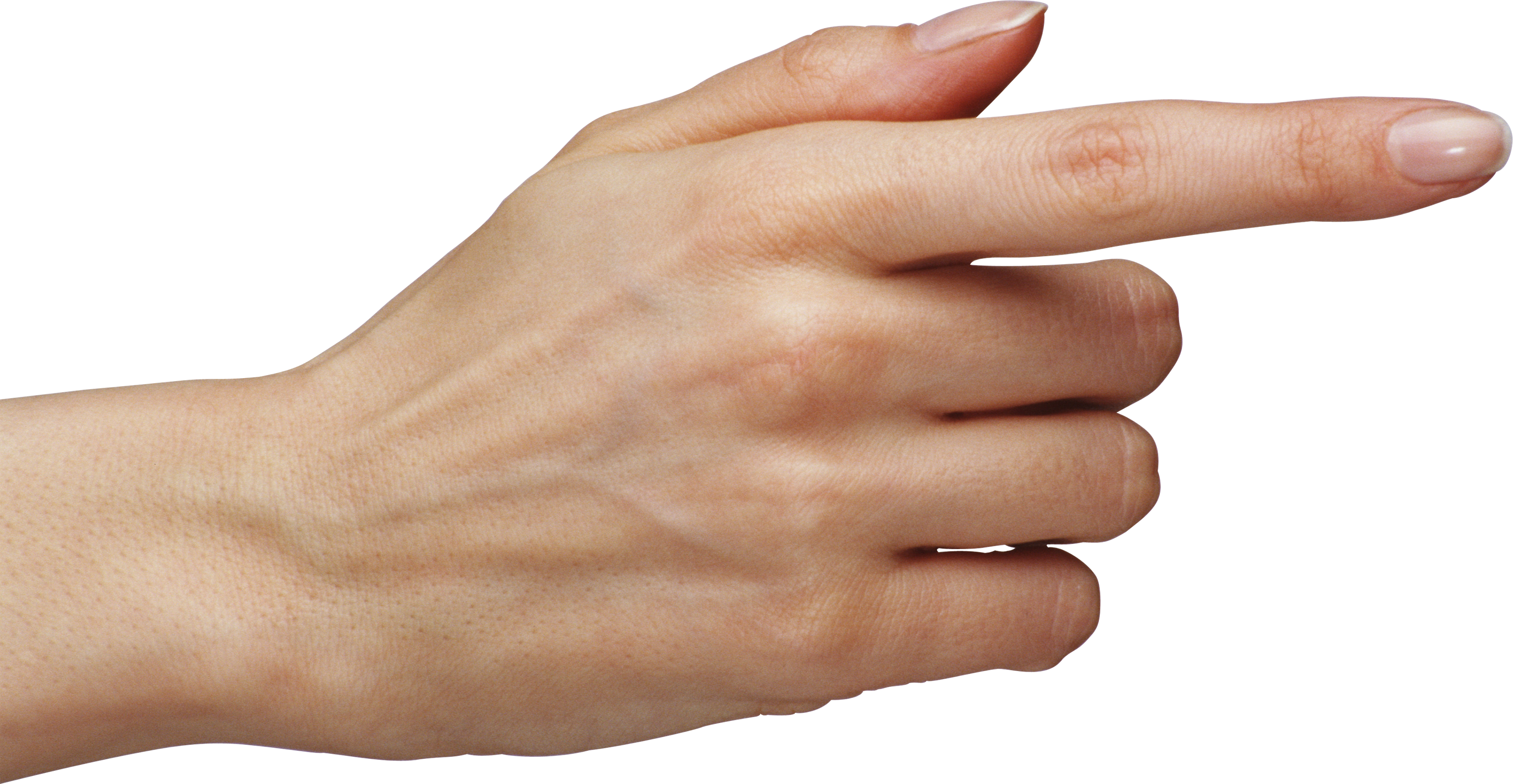
Toothaches can range from a mere nuisance to debilitating pain, leading individuals to seek relief through various remedies, including pressure points on the body. Among these remedies, acupressure—a technique rooted in traditional Chinese medicine—proposes that pressing specific points on the body can alleviate pain, including that of a toothache. This article explores the connection between finger pressure and the alleviation of tooth pain, particularly identifying which finger one might press to find relief.
Before delving directly into which finger to use, it is essential to understand the anatomy of pain perception and how various body systems interconnect. Pain—being a complex physiological response—involves the nervous system, which transmits signals through different pathways. Interestingly, specific fingers relate to specific organs and systems, a phenomenon often explored in reflexology and acupressure. Such connections suggest that manipulating one part of the body could result in therapeutic benefits elsewhere.
The thumb traditionally serves as a focal point for relieving dental discomfort. According to acupressure principles, the thumb is connected to the body’s energy channels, or meridians. These meridians correspond to various internal organs and systems, including those related to oral health. Pressing the thumb at its base where it meets the palm—a point known as the Hegu point or LI4—can promote relaxation and relieve pain not just in the mouth, but throughout the facial region.
When applying pressure to the Hegu point, it is advisable to adhere to particular techniques to maximize effectiveness. One should use the opposing thumb and index finger to apply sustained, gentle pressure. Pulse should be maintained for several seconds, accompanied by deep breathing, ensuring that the mind and body align for optimal results. This technique not only encourages localized relief but also has the potential to reduce overall stress and anxiety, further contributing to a diminished perception of pain.
Beyond the thumb, one might consider the index finger as a secondary site of focus. There is anecdotal support for this, as massaging the index finger’s tip can also offer relief by enhancing circulation and stimulating nerve endings. In some belief systems, the index finger corresponds to the brain and upper body; hence, working on this finger can help mitigate discomfort that affects the mouth and face.
Moreover, the middle finger serves as another interesting point of consideration. Referred to in some practices as a ‘grounding’ finger, it connects the body’s physical state with its spiritual balance. When facing acute discomfort, stimulating the middle finger—especially the area closest to the palm—may uncover hidden advantages in pain management, unlocking barriers to healing that are often overlooked. While empirical evidence regarding this finger remains limited, the connections made through longstanding practices are worth contemplation.
An essential perspective in the exploration of which finger to press for toothache is rooted in psychology. Patients may not only experience physical pain but also heightened emotional states contributing to their discomfort. This correlation accentuates the mind-body connection heavily emphasized within the realms of alternative medicinal practices. By engaging with specific fingers as potent symbols of relief, individuals may foster a placebo effect that heightens their pain tolerance and encourages mental fortitude. Thus, understanding these symbolic meanings may enhance holistic healing methodologies.
It is crucial to recognize, however, that the effectiveness of acupressure techniques can vary significantly from person to person. Factors including individual tolerance to pain, psychological state, and concurrent physical health conditions can dramatically influence the outcomes of such practices. While some individuals may find profound relief through finger pressure, others may need a multifaceted approach that incorporates traditional medicine, such as analgesics or dental interventions.
For optimal results, the combination of acupressure with conventional stress-reduction techniques, such as mindfulness and meditation, can achieve profound outcomes. Research demonstrates that practices focused on breathwork and meditation not only enhance relaxation but also facilitate the management of pain by interacting with the brain’s perception of discomfort. Thus, creating a comprehensive plan that integrates diverse methodologies will foster a more profound sense of well-being.
In conclusion, while the thumb emerges as the primary finger for relieving toothaches through targeted acupressure techniques, a valid exploration of the index and middle fingers reveals a spectrum of options. As the complexities of pain transcend the physical dimension, the interaction of mind, body, and cultural practices offers a rich tapestry of healing approaches. By elevating awareness of the intricate connections between the body’s systems and the tools at one’s disposal for pain management, individuals can embrace a proactive stance in their health journey. Ultimately, the pressing of a finger may serve as a bridge between immediate relief and a deeper understanding of one’s personal health narrative.

Leave a comment