

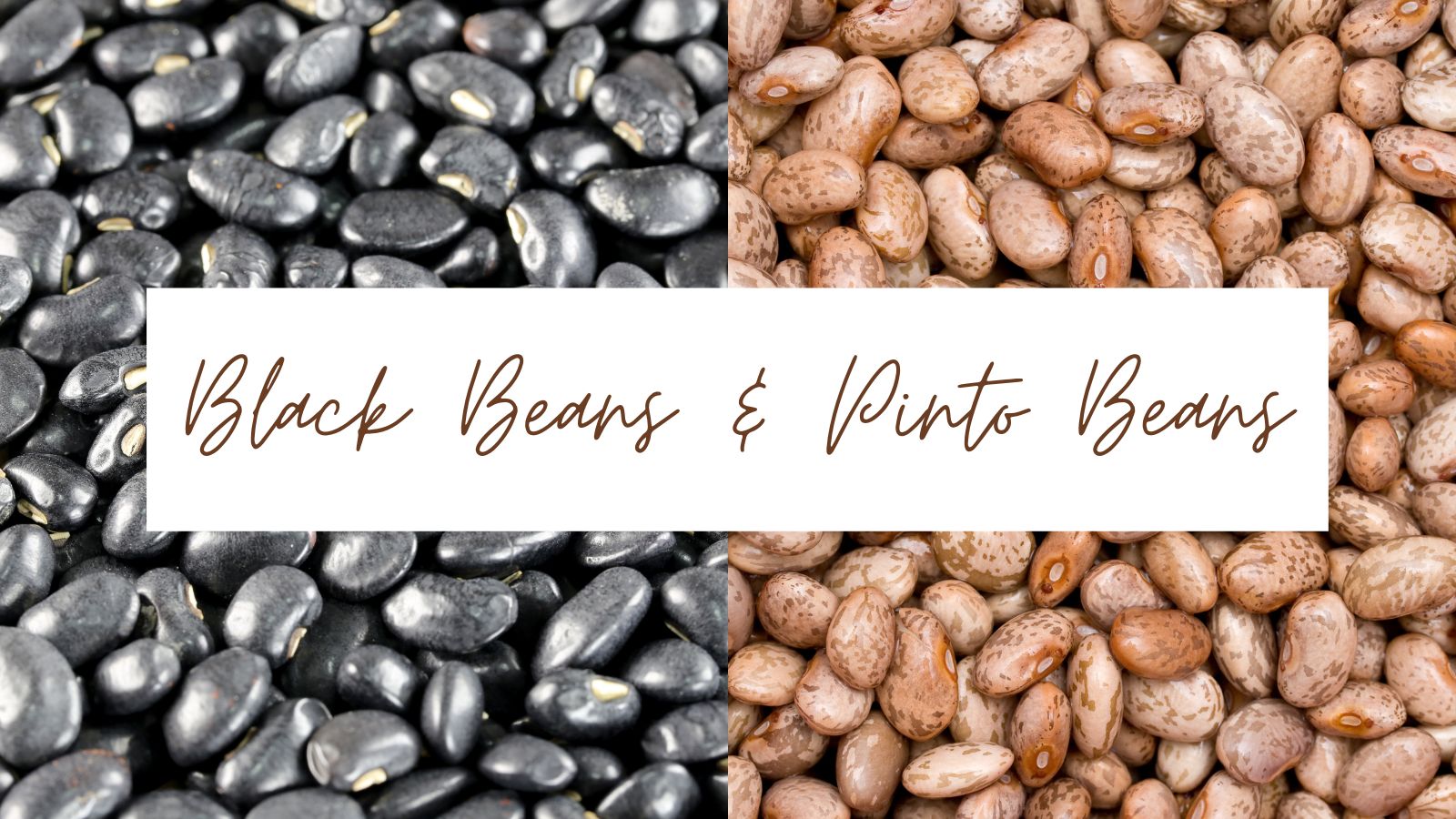
Beans, integral to diverse culinary traditions worldwide, are also pivotal in fostering good health. Among the myriad varieties, black beans and pinto beans both stand out for their nutritional benefits. This article delves into the health attributes of these two legumes, comparing their nutritional profiles, health benefits, and potential culinary uses, thereby helping to discern which may be healthier for inclusion in a balanced diet.
Nutritional Overview
The nutritional profiles of black beans and pinto beans exhibit notable distinctions, presenting varying advantages depending on individual dietary needs and health goals. Both types of beans are rich in macronutrients, micronutrients, and dietary fiber, albeit in different proportions.
Generally, a standard serving size of cooked beans—approximately one cup—offers the following nutritional breakdown:
- Calories
- Black beans contain around 227 calories, while pinto beans have about 245 calories per serving. While the calorie difference is minimal, it can be a consideration for those meticulously tracking caloric intake.
- Protein Content
- Black beans provide a robust protein content at approximately 15.2 grams, whereas pinto beans deliver around 14.1 grams. Given the essential role of protein in muscle repair and maintenance, this slight disparity might be relevant for individuals prioritizing higher protein intake.
- Carbohydrates and Fiber
- Both beans are excellent sources of complex carbohydrates and dietary fiber. Black beans have about 41 grams of carbohydrates and 15 grams of fiber, while pinto beans offer approximately 45 grams of carbohydrates and 7.7 grams of fiber. The higher fiber content in black beans contributes to improved digestive health and a lower glycemic index, supporting optimal blood sugar levels.
- Fat Content
- Both varieties are low in fat, with black beans containing just 0.9 grams and pinto beans featuring about 0.8 grams. This makes them a heart-healthy choice, particularly for those seeking to reduce saturated fat in their diets.
Vitamin and Mineral Content
The differential mineral and vitamin compositions of black beans and pinto beans significantly enhance their health benefits. They are stellar sources of crucial nutrients such as folate, iron, magnesium, and potassium.
Black beans are particularly rich in:
- Folate: A vital nutrient for cellular growth and division, folate plays an essential role in DNA synthesis. Black beans provide approximately 256 micrograms per serving, surpassing pinto beans, which offer about 179 micrograms.
- Magnesium: Important for muscle function and overall metabolic regulation, the magnesium content in black beans stands at about 60 milligrams, compared to 48 milligrams in pinto beans.
- Iron: Necessary for oxygen transport within the body, iron is present in approximately 3.6 milligrams per serving of black beans, whereas pinto beans contain around 3.5 milligrams.
Pinto beans, on the other hand, are noted for their:
- Potassium: Essential for maintaining fluid balance and optimal nerve function, pinto beans provide around 746 milligrams of potassium, marginally higher than the 607 milligrams found in black beans.
- Calcium: Beneficial for bone health, pinto beans offer approximately 46 milligrams, compared to around 46 milligrams in black beans, making both beans a valuable plant-based source of calcium.
Health Benefits
The consumption of either black beans or pinto beans can confer myriad health benefits, promoting an overall nutritious diet. Black beans, attributable to their superior antioxidant content, are particularly touted for their protective effects against chronic diseases. The anthocyanins, a type of flavonoid, found in black beans, exhibit potent anti-inflammatory and antioxidant properties.
Pinto beans are equally beneficial, exhibiting favorable impacts on cardiovascular health. Their high fiber content promotes cholesterol regulation and aids in lowering blood pressure. Both varieties demonstrate potential in weight management, primarily due to their satiating properties that curb hunger and promote feelings of fullness.
Culinary Versatility
When it comes to culinary applications, both black and pinto beans offer unique flavors and textures that make them suitable for various dishes. Black beans, with their slightly sweet, earthy taste, are often featured in Latin American cuisine. They pair excellently in salads, tacos, and as a protein-rich addition to soups and stews. Their dark color can enhance the visual appeal of a dish, in addition to contributing to its nutritional value.
Pinto beans, known for their creamy consistency and subtle flavor, are commonly used in Southwestern and Mexican cuisine. They lend themselves beautifully to refried beans, chili, and bean dips. Their versatility facilitates diverse preparation methods, ranging from boiling to baking, further enriching their culinary applications.
Conclusion
Determining the healthier option between black beans and pinto beans ultimately depends on individual dietary requirements and health considerations. While black beans exhibit a slight edge in protein, fiber, and micronutrients like folate, pinto beans provide an excellent alternative with distinct potassium benefits and culinary versatility.
Incorporating both types of beans into the diet may be the most beneficial approach, allowing individuals to capitalize on their unique nutritional profiles and enjoy a diverse array of delicious, health-promoting meals. Whether added to salads, stews, or served as a standalone side dish, both varieties of beans contribute substantially to enhancing overall health and well-being.

Leave a comment