

In the realm of culinary delights and nutritional prowess, beans stand as stalwart champions of health. Two varieties, pinto and black beans, emerge as formidable contenders in the arena of dietary benefits. While they both belong to the legume family and offer an array of nutritional advantages, their differences provoke discourse among health enthusiasts and culinary experts alike. Understanding which is healthier necessitates a thorough exploration of their unique constituents, potential health benefits, and overall contributions to dietary well-being.
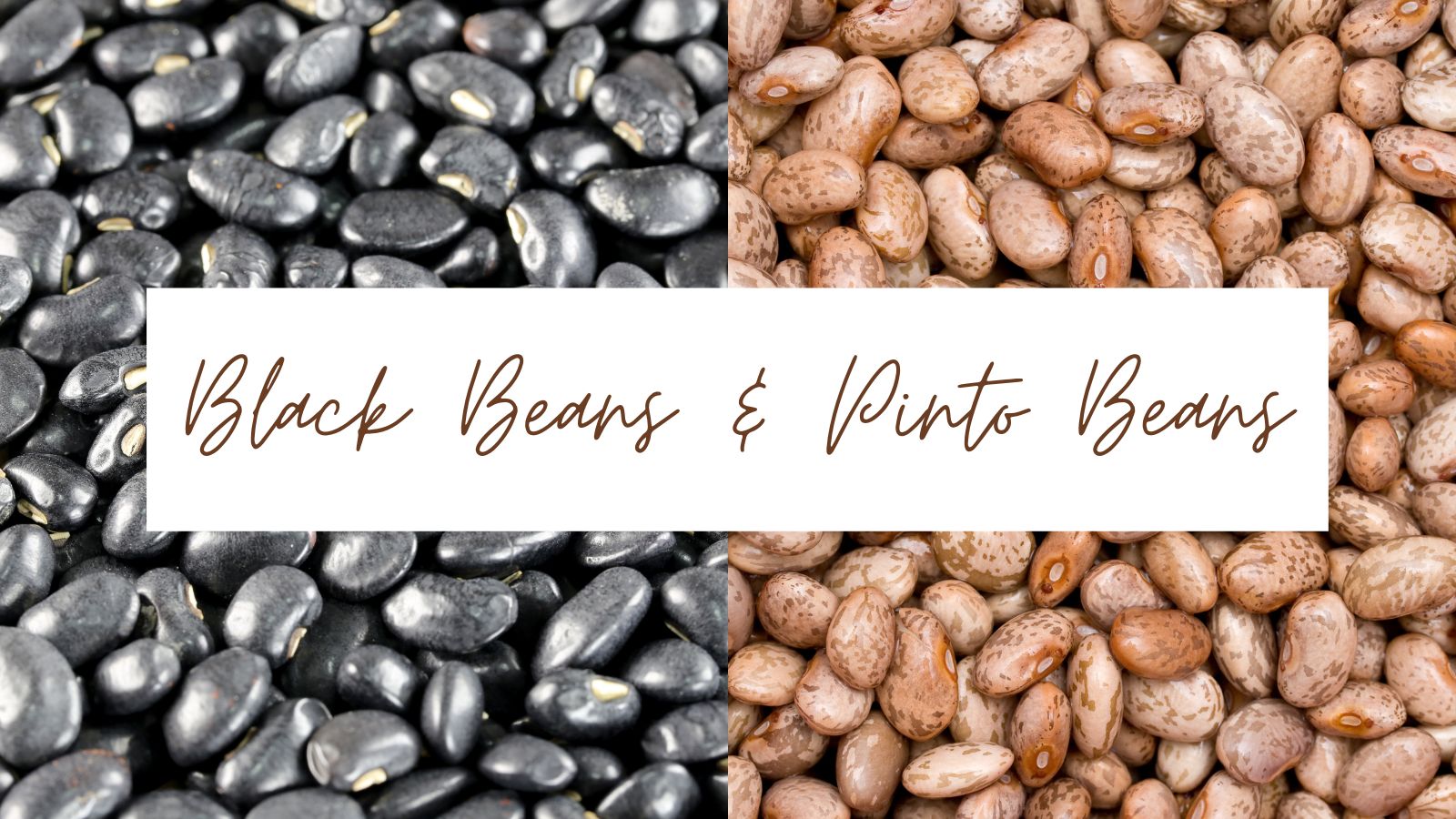
At first glance, pinto and black beans appear quite similar; however, a closer inspection uncovers distinct disparities that are worthy of attention. Pinto beans, characterized by their mottled beige and brown tones, are often revered for their creamy texture. Conversely, black beans, renowned for their striking ebony hue, possess a denser structure. This textual variation is not merely aesthetic; it signifies underlying differences in nutrient composition and bioactive substances that contribute to health outcomes.
In terms of macronutrients, both varieties of beans are rich in protein, fiber, and complex carbohydrates, but they exhibit variances in their nutritional profiles. Pinto beans contain approximately 15.2 grams of protein and 15.5 grams of fiber per cooked cup, whereas black beans boast around 15.2 grams of protein and an impressive 15 grams of fiber. This similarity in protein content underscores beans’ role as a plant-based protein source, essential for muscle maintenance and repair. However, the fiber content plays a crucial role in gastrointestinal health, promoting regularity and potentially reducing the risk of colorectal cancer.
Furthermore, the richness of fiber in both types makes them excellent for weight management, as they provide satiety and help to control appetite. The complex carbohydrates contained within these beans are digested slowly, preventing rapid spikes in blood sugar levels—a beneficial attribute for individuals managing diabetes.
Examining micronutrients, both pinto and black beans exhibit a bounty of vitamins and minerals that contribute to overall health. Pinto beans are particularly abundant in folate, a B-vitamin vital for DNA synthesis and cell formation. This makes them an excellent choice for expectant mothers looking to prevent neural tube defects in developing fetuses. On the other hand, black beans shine in their iron content, which is essential for oxygen transportation within the body and can be particularly beneficial for those with higher iron requirements, such as athletes or individuals following a vegetarian diet.
The antioxidant properties of these beans also merit discussion. Black beans, in particular, are rich in anthocyanins, a type of flavonoid that has been linked to numerous health benefits, including anti-inflammatory effects and enhanced cognitive function. These compounds confer a darker coloration to the beans and offer a greater degree of cellular protection, potentially lowering the risk of chronic diseases. Pinto beans, while lower in these specific antioxidants, contain other polyphenols that contribute to health, supporting the notion that both varieties provide unique protective properties.
Moreover, the cultural significance of pinto and black beans enhances their allure. Pinto beans are often celebrated in traditional Mexican cuisine, where they serve as a staple in dishes like refried beans and burritos. Black beans, conversely, have found their niche within Caribbean and South American culinary customs, often paired with rice to create a complete protein profile. This cultural interplay underscores the versatility of beans as not just nutritional powerhouses but also agents of culinary identity.
Both pinto and black beans are beneficial for heart health. Their high fiber content contributes to lowering cholesterol levels, while the potassium present in both varieties assists in regulating blood pressure—factors critical in cardiovascular health. However, black beans possess a slight edge, given their heightened antioxidant capacity, which could further mitigate oxidative stress, a precursor to heart disease.
For individuals concerned about digestibility, it is worth noting that both pinto and black beans contain oligosaccharides, compounds that can lead to gastrointestinal discomfort if consumed in excess. However, through methods such as soaking and thorough cooking, these compounds can be minimized, making both varieties more palatable. Additionally, the introduction of fermented foods into the diet can aid in the acclimatization of the digestive system to these legumes.
Making an informed selection between pinto and black beans ultimately hinges upon personal dietary goals and preferences. For those seeking an increased intake of folate, pinto beans may be preferable. Conversely, individuals aiming to bolster their intake of iron and antioxidants might gravitate towards black beans. It becomes evident that both types of beans offer compelling health benefits, each with its own set of attributes that cater to diverse nutritional needs.
In conclusion, while the debate over which bean reigns supreme may persist among aficionados, it is imperative to recognize the individual merits of each variety. Both pinto and black beans contribute richly to a balanced diet, presenting unique flavors, textures, and health benefits that can enhance culinary experiences and foster well-being. The choice between these legumes need not be a binary decision; rather, incorporating both into one’s diet could yield a cornucopia of nutritional advantages, marrying the best attributes of each bean in a harmonious union of taste and health.

Leave a comment