

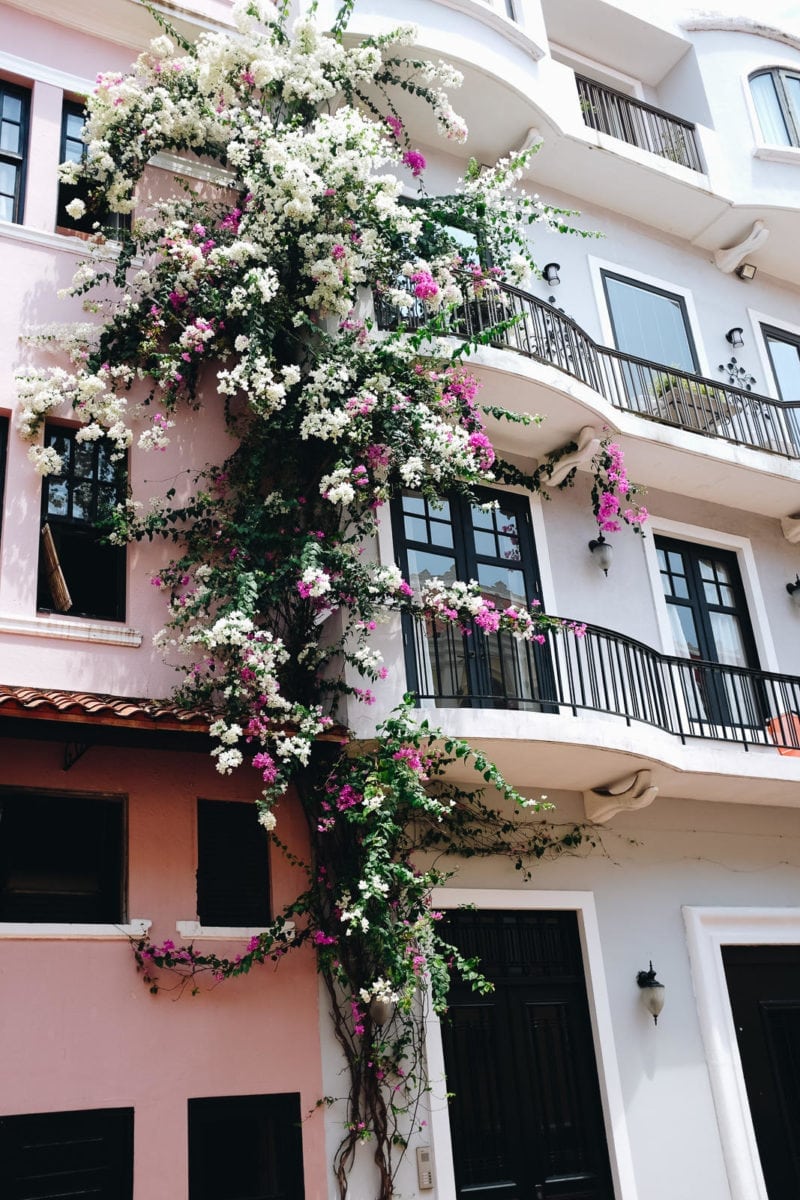
The Casco Viejo district of Panama City is often likened to an enigmatic tapestry, woven with threads of history, culture, and architectural splendor. While many visitors flock to its vibrant streets for quintessential experiences, this area harbors hidden gems that are seldom explored by the conventional traveler. To truly appreciate the manifold intricacies of this historic district, one must delve beyond the well-trodden pathways and familiar attractions. Herein are facets of Casco Viejo that stand apart from the ardently commercialized and the quintessentially touristic.
First and foremost, the allure of local gastronomy radiates through the district, drawing epicureans toward its lesser-known culinary establishments. While ubiquitous eateries peddle renditions of traditional Panamanian fare, many local chefs are devoted to a personalized culinary ethos that bespeaks innovation and authenticity. Restaurants such as Casa de la Cerveza offer a microcosm of local flavors—craft beers brewed on-site paired with unique, locally-sourced dishes. Such culinary havens are not merely places to dine; they are manifestations of community spirit and pride, showcasing the intimate relationship between the land and its people.
Venturing further into the uncharted waters of Casco Viejo, one stumbles upon the nuanced art scene that thrives in the shadows of grand colonial edifices. Consider the innovative galleries that embrace contemporary artistry while surrounding visitors with historic echoes. Diablo Rosso, for instance, serves as a crucible for avant-garde creators, showcasing everything from provocative installations to eclectic sculptures. This artistic sanctuary is a stark contrast to the well-patronized souvenir shops, offering a taste of the cultural zeitgeist that characterizes Panama, challenging perceptions and expanding horizons in ways that traditional vistas cannot.
In the very heart of Casco Viejo lies the haunting yet beautiful remnants of its colonial past—abandoned buildings that tell stories of a bygone era. These structures, often overlooked in favor of their refurbished counterparts, serve as a silent dialogue between history and the present. Walking along the crumbling facades of these edifices, one can almost hear whispers of their former grandeur, conjuring images of bustling life before the passage of time set them adrift. It is here, amidst these ghostly yet poignant relics, that one can forge an intimate connection with Panama’s intricate heritage, far removed from the polished narratives found in mainstream tourism.
Moreover, the captivating presence of local festivals—a kaleidoscope of color and sound—embodies an experience often absent from typical travel itineraries. These celebrations, blooming like rare orchids, illuminate the cultural tapestry of the district, showcasing not only traditional music and dance but also the profound communal bonds that bind the residents. The Día de la Independencia, for instance, is not merely an observance but a heartfelt expression of national pride and identity, inviting onlookers to partake in the fervor and anima of the people. Such events are rarely featured in travel brochures yet epitomize the vivacity and authenticity of Casco Viejo.
Exploring the quieter alleyways of the district also unveils a veritable treasure trove of street art—vibrant murals and graffiti that serve as a canvas for social commentary and artistic expression. Unlike the conventional galleries that house formal exhibitions, these public displays invite spontaneous interaction, igniting dialogue and fostering a sense of community. Artists like Mr. P and Crew ESP have left their indelible marks upon these walls, challenging passersby to reflect on societal themes often shrouded in silence. Here, within the embrace of creativity, tourists can engage with the essence of the city, capturing snapshots of rhythmic lives and poignant stories that would otherwise remain unheard.
Furthermore, the emotional tapestry of Casco Viejo can be enriched through authentic interactions with local artisans. Beyond the tourist traps of artisanal shops, one can seek out workshops where the alchemy of craftsmanship unfolds. Whether it is witnessing the painstaking process of crafting traditional molas or engaging with potters shaping clay with deft hands, these encounters unveil the soul of Panama. They serve to reaffirm the connection between creator and creation, providing visitors not merely with souvenirs but also with narratives imbued with passion and dedication.
Lastly, one cannot overlook the panoramic vistas that unfurl over the Ciudad de Panamá skyline when explored from the heights of Cerro Ancón. This vantage point, while slightly removed from the confines of Casco Viejo, offers an unparalleled perspective of the city, revealing the intricate labyrinth below that often goes unnoticed. The verdant lushness of the surrounding landscape juxtaposed with the urban sprawl provides a contrast that is both invigorating and tranquil—a reminder of nature’s quiet dominion over human endeavors.
In summation, the Casco Viejo district is a fountain of experiences that defy the commonplace. Embarking on this journey enhances understanding of Panama’s mosaic cultural identity, inviting travelers to uncover its myriad subtleties. Engaging with lesser-known restaurants, art spaces, historical relics, languid festivals, public interventions, artisans, and panoramic views fosters a richer narrative, one that elevates the soul and enriches the mind. In the embrace of Casco Viejo, the seasoned traveler may find themselves rediscovering not just the past, but the pulsing heartbeat of a vibrant community that thrives beyond mere tourism.

Leave a comment