

Understanding the components of blood is crucial for comprehending the complex mechanisms that govern our immune responses. Among these components, leukocytes, or white blood cells, play a vital role in defending the body against pathogens. When discussing leukocytes, one often encounters the notion of their varying abundances within the bloodstream. While it is commonly known that certain leukocytes are more prevalent, this article delves into a fascinating aspect: which are the least numerous of the leukocytes and the significance of their rarity.
Leukocytes can be categorized into several types, each with distinct functions, characteristics, and proportions in the blood. The primary classifications include neutrophils, lymphocytes, monocytes, eosinophils, and basophils. It is within this spectrum that the rarer leukocytes emerge, primarily the eosinophils and basophils.
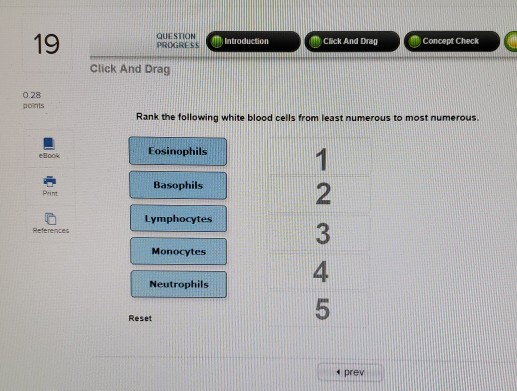
To understand the least numerous leukocytes, let’s first consider the proportions of each type in a healthy adult’s blood. Neutrophils, the most abundant leukocytes, constitute approximately 50-70% of total white blood cells. Lymphocytes, the second-most prevalent, make up about 20-40%. Following closely, monocytes represent about 2-8%. However, as we pivot towards the lesser-known leukocyte populations, we encounter eosinophils and basophils.
Eosinophils comprise only about 1-4% of the total leukocyte count. Their primary role lies in combating parasitic infections and mediating allergic responses. Despite being scarce, eosinophils are equipped with unique granules containing cytotoxic proteins and inflammatory mediators that are essential in responding to larger parasites. Their mere presence in the bloodstream signals an immune response, often leading to conditions such as asthma or hay fever when activated inappropriately. Curiously, their concentration can fluctuate significantly based on environmental allergens or parasitic infections, which further accentuates their importance despite their numerical insignificance.
Basophils, even rarer than eosinophils, account for merely 0.5-1% of the leukocyte population. These cells are pivotal in responding to allergens and ransomware infections. Basophils contain granules rich in histamine and heparin, which are vital during inflammatory and allergic responses. Their functions are somewhat enigmatic due to their low numbers; however, their role in the initiation and regulation of inflammatory processes cannot be overstated. When activated, basophils release histamine, leading to vasodilation and increased vascular permeability, which is crucial for facilitating other immune cells’ access to affected tissues.
Despite their modest numerical representation, both eosinophils and basophils are indispensable. Their rarity invites a shift in perspective regarding immune responses—implying that quality does not always correlate with quantity. The specific functions they perform in immune defense illustrate the profound complexity of the leukocyte ecosystem.
Exploring the pathophysiological implications of these lesser amounts of leukocytes can further enhance our understanding. In certain medical contexts, an elevated eosinophil count, known as eosinophilia, can signify underlying conditions such as allergies, autoimmune disorders, or even hematologic malignancies. Conversely, an insufficient number of eosinophils can impair the body’s ability to combat parasitic infections effectively. Recognizing the ramifications of egress in eosinophil levels can be vital in clinical assessments.
Basophils, while notoriously scarce, can also contribute to clinical syndromes, particularly in allergic reactions. Conditions such as anaphylaxis, a severe and life-threatening allergic reaction, showcase the crucial function of basophils in mediating acute responses. The study of basophils continues to evolve, as researchers delve into understanding their role beyond mere participation in allergies—unveiling insights into chronic inflammatory conditions and even potential therapeutic interventions.
In addition to the cellular ramifications, the mere existence of eosinophils and basophils functions as a reminder of the intricate dance that takes place within the circulatory system. Their interplay with more prominent leukocyte populations elucidates the complexity of the immune system and showcases how even the least numerous components can wield significant power. As such, an understanding of the significance of these less common leukocytes draws attention to the ramifications their scarcity has on overall immune health and resilience.
In conclusion, while eosinophils and basophils may represent the smallest factions of leukocytes, their roles are undeniably profound. Their functions illuminate the delicate balance within our immune system and beckon a reconsideration of how we view leukocyte populations as a whole. Thus, discerning the least numerous leukocytes not only satisfies a scientific curiosity but also serves as a testament to the elaborate mechanisms that sustain our health and well-being in a complex biological landscape.

Leave a comment