

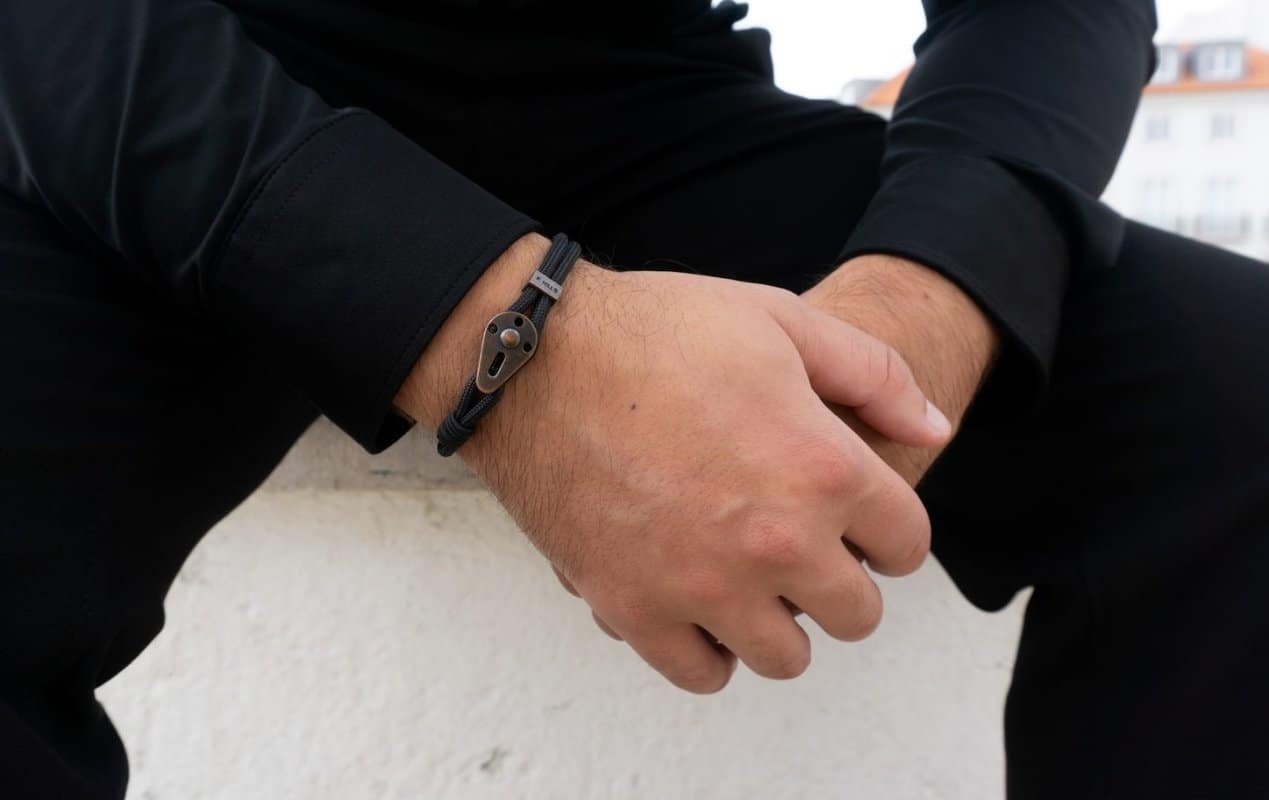
Bracelets have transcended their utilitarian origins to become a fashion statement deeply woven into the tapestry of modern masculinity. Yet, a question persists among enthusiasts and novices alike: which arm do men wear bracelets on? While it may seem inconsequential, the answer is steeped in tradition and personal expression. This exploration promises not only to enhance your understanding of style etiquette but also to elevate your fashion acumen.
Historical Context and Cultural Significance
To navigate the nuances of bracelet etiquette, one must first consider the historical context surrounding adornments. In many cultures, jewelry has served as a symbol of status, spirituality, or identity. For instance, ancient warriors adorned themselves with bracelets, believing they conferred strength or protection. This historical lineage informs modern sensibilities, where wearing jewelry carries implications beyond mere aesthetics.
The duality of the wrist—acting as both a functional and decorative spot—has led to varying conventions across cultures. In some Eastern traditions, the left wrist is considered more auspicious, while Western interpretations may lean toward personal preference, making the choice both an individual and cultural statement.
Understanding the Basics: Right vs. Left
When contemplating which arm to don a bracelet, one encounters a fundamental dichotomy: the right and the left. Traditionally, the left wrist is often associated with a more subtle, intimate expression. It is seen as the “emotional” side, favoring delicate materials and understated designs that evoke feelings of connection and sensitivity.
Conversely, the right wrist is typically the domain of boldness and assertiveness. It is where one might sport thicker, more striking pieces that signify strength and attention. As a result, many fashion connoisseurs suggest wearing watches and statement bracelets on the right, thereby projecting confidence and command.
This dichotomy is not rigid, however. Personal style transforms these guidelines into flexible suggestions rather than emphatic rules. Individual expression through bracelets ultimately transcends conventional wisdom, with many men opting for a mix-and-match approach reflective of their unique personality and style.
The Role of Personal Style
Bracers—those who routinely wear bracelets—often employ them as a narrative device, communicating their personal story and aesthetic to the world. Consider the significance of color, material, and layering. A leather band can evoke rugged masculinity, while a beaded bracelet may suggest a more bohemian or laid-back vibe. Each choice speaks volumes about the wearer and their intent.
Moreover, layering bracelets becomes an art form unto itself. Mixing materials—such as pairing metal with leather or beads—invites creativity and juxtaposes textures that can captivate onlookers. Understanding how these various elements resonate differently depending on the wrist can further refine style choices.
Fashion Forward: Trends and Contexts
The contemporary landscape of men’s jewelry is rife with trends that challenge traditional norms. The rise of gender-fluid fashion has blurred the lines, allowing men to embrace styles once deemed exclusive to women. In this evolving context, a man may adorn his left wrist with intricately designed bangles, while his right remains a canvas for rugged cuffs.
Moreover, the increasing intersection of sports and style has popularized the trend of wearing fitness trackers and smartwatches alongside traditional bracelets. This duality underscores the notion that practicality and aesthetics can coexist, encouraging men to redefine the parameters of what constitutes elegance in daily wear.
Context Matters: The Occasion
Beyond individual style, the occasion also plays a pivotal role in determining bracelet etiquette. Formal events, such as galas or business meetings, typically call for restraint. A single classic bracelet on the dominant wrist may be appropriate, conveying elegance without overwhelming the senses. In contrast, casual settings lend themselves to more adventurous combinations, allowing for eclectic layering that showcases personality.
Understanding when and where to wear specific types of bracelets is crucial. At social gatherings, for instance, an informal wrist adornment can serve as a conversational piece, inviting engagement and connection. In contrast, during professional engagements, minimalism may be the key to projecting competence and sophistication.
Conclusion: Crafting Your Own Narrative
Ultimately, the question of which arm men should wear bracelets on is less about adhering to rigid standards and more about forging a personal narrative. Each bracelet becomes an extension of one’s identity, a stylized reflection of the individual’s aspirations, values, and social context.
As society continues to evolve and reshape perspectives on masculinity, let the wrist serve as a canvas for expression. Whether you choose the left to echo intimacy or the right to declare strength, remember that the most captivating accessory is one that authentically represents you. Embrace this chance, not only to adorn your wrist but to accentuate your persona. In this journey, curiosity fuels discovery, ensuring that every bracelet worn tells a story worth sharing.

Leave a comment