

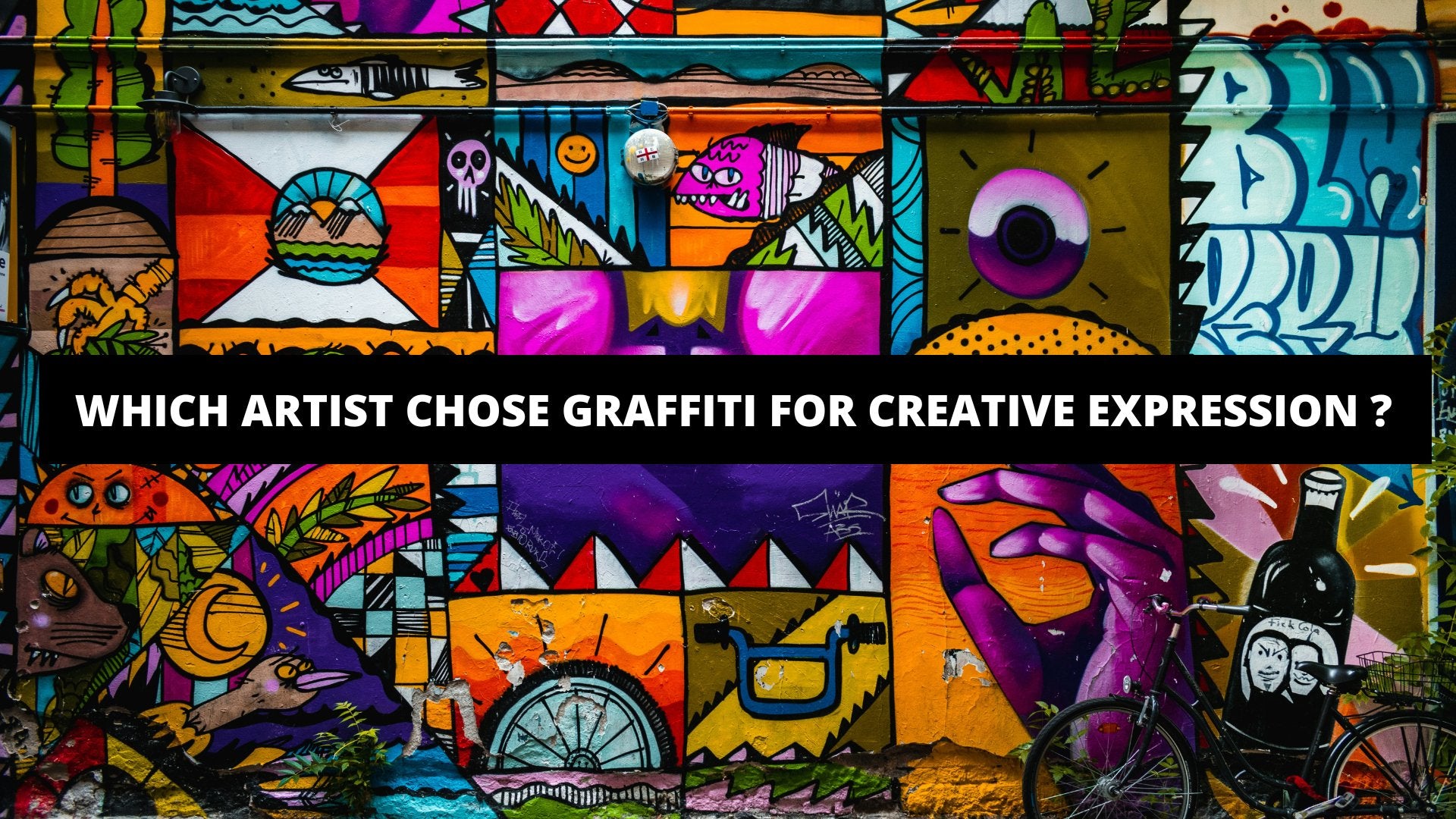
Throughout the annals of art history, graffiti has emerged as a potent form of expression, reflecting the multifaceted identities of its creators and the socio-political landscapes in which they dwell. This discourse invites readers to contemplate the artists who have adopted graffiti as their primary medium of communication, exploring the motivations, emotions, and cultural contexts that underpin this vibrant form of street art. By delving into the works and intentions of pivotal figures in this domain, we unravel a narrative rich in complexity and depth, offering insights into the confluence of street art and identity.
The Genesis of Graffiti: An Historical Overview
Graffiti’s origins can be traced back to antiquity. From the etchings on ancient Roman walls to the vibrant murals of the Harlem Renaissance, this expressive medium has long been a vehicle for identity formation. However, the modern conception of graffiti burgeoned in the late 20th century, particularly in urban centers. This era witnessed the rise of hip-hop culture, of which graffiti art became an essential component, echoing the voices of marginalized communities. The transition from simple tags to elaborate murals marked a significant evolution, transforming street corners into sanctuaries of artistic expression.
The Artists Who Embrace Graffiti
Numerous artists have chosen graffiti as their means of creative expression, yet a few stand out for their compelling narratives and cultural significance. One cannot discuss graffiti without mentioning Jean-Michel Basquiat, who deftly intertwined his Afro-Puerto Rican heritage with his artistic endeavors. His work often grappled with themes of race, identity, and power structures, challenging societal norms while captivating audiences worldwide.
Similarly, Banksy, the enigmatic British street artist, has expertly utilized graffiti not only as an artistic outlet but also as a form of political commentary. His iconic stenciled pieces often address issues such as war, consumerism, and environmental degradation, pushing viewers to reconsider their perspectives on contemporary society. Banksy’s ability to provoke thought through simple yet powerful imagery exemplifies the profound potential of graffiti to articulate complex narratives.
Street Art as a Reflection of Identity
At its core, graffiti serves as a canvas for identity formation. For many artists, the act of creating street art is deeply personal, allowing them to convey their lived experiences, struggles, and triumphs. Oftentimes, graffiti becomes a silent witness to the sociocultural dynamics of a particular locale. The symbolism embedded in colors, patterns, and forms can convey a myriad of messages related to heritage, community, and self-identity.
Take, for instance, the work of Shepard Fairey, whose “Obey Giant” campaign epitomizes the intersection of commercialism and grassroots activism. Fairey’s art speaks to the commodification of identity in the modern world, inviting viewers to interrogate the constructs of consumer culture while simultaneously celebrating individual agency. His imagery serves as a reminder that identity is not a static notion but a multifaceted construct that evolves over time.
The Role of Community in Shaping Street Art
Community plays an indispensable role in the realm of graffiti. Many artists collaborate with local inhabitants, forging connections that transcend traditional artistic boundaries. This collaborative ethos imbues the artwork with authenticity and relevance, facilitating a dialogue that resonates with the community’s collective experience. In neighborhoods where traditional avenues of expression may be stifled, graffiti emerges as a lifeline—a visceral translation of communal identity and shared narratives.
Furthermore, community engagement fosters a sense of ownership over the art itself, as residents band together to protect their local graffiti from removal or censorship. This phenomenon underscores the notion that graffiti is not merely the domain of the individual artist but a communal asset, emblematic of local pride and cultural heritage.
The Challenges and Misconceptions of Graffiti
Despite its rich history and cultural significance, graffiti continues to grapple with a multitude of challenges, particularly in the form of public perception and legal restrictions. Frequently dismissed as vandalism, many graffiti artists face criminal penalties that overlook the artistic merits and social commentary embedded in their work. This dichotomy between artistic expression and societal condemnation complicates the narrative of graffiti, fueling ongoing debates surrounding legality, ownership, and artistic legitimacy.
Additionally, the commercialization of graffiti poses philosophical dilemmas for artists who value authenticity. As major corporations co-opt street art for marketing purposes, the question arises: can commercial success coexist with the grassroots spirit of graffiti? The answer is complex and multifaceted, often depending on the artist’s intent and the context in which their work is situated.
The Future of Graffiti and Its Impact on Identity
As we stand at the precipice of a new era, the future of graffiti remains an enigma, poised between its roots and the possibilities that technology affords. Digital platforms have democratized art production and dissemination, allowing a broader audience to engage with street art. Virtual reality and augmented experiences may expand the canvas, inviting artists to reimagine their contributions within an evolving landscape.
Ultimately, graffiti will continue to serve as a profound lens through which we explore themes of identity and social justice. The narratives articulated by graffiti artists are indelibly linked to their communities, history, and sociopolitical contexts. The ongoing evolution of street art reflects the human condition—a perpetual search for self-expression, connection, and understanding amid an ever-changing world.
In conclusion, the artists who consciously select graffiti as their means of creative expression represent a diverse tapestry of voices contributing to a larger discourse on identity. As we grapple with the intricacies of expression in the contemporary era, graffiti challenges us to reconsider our perspective on art, identity, and community in profound ways.

Leave a comment