

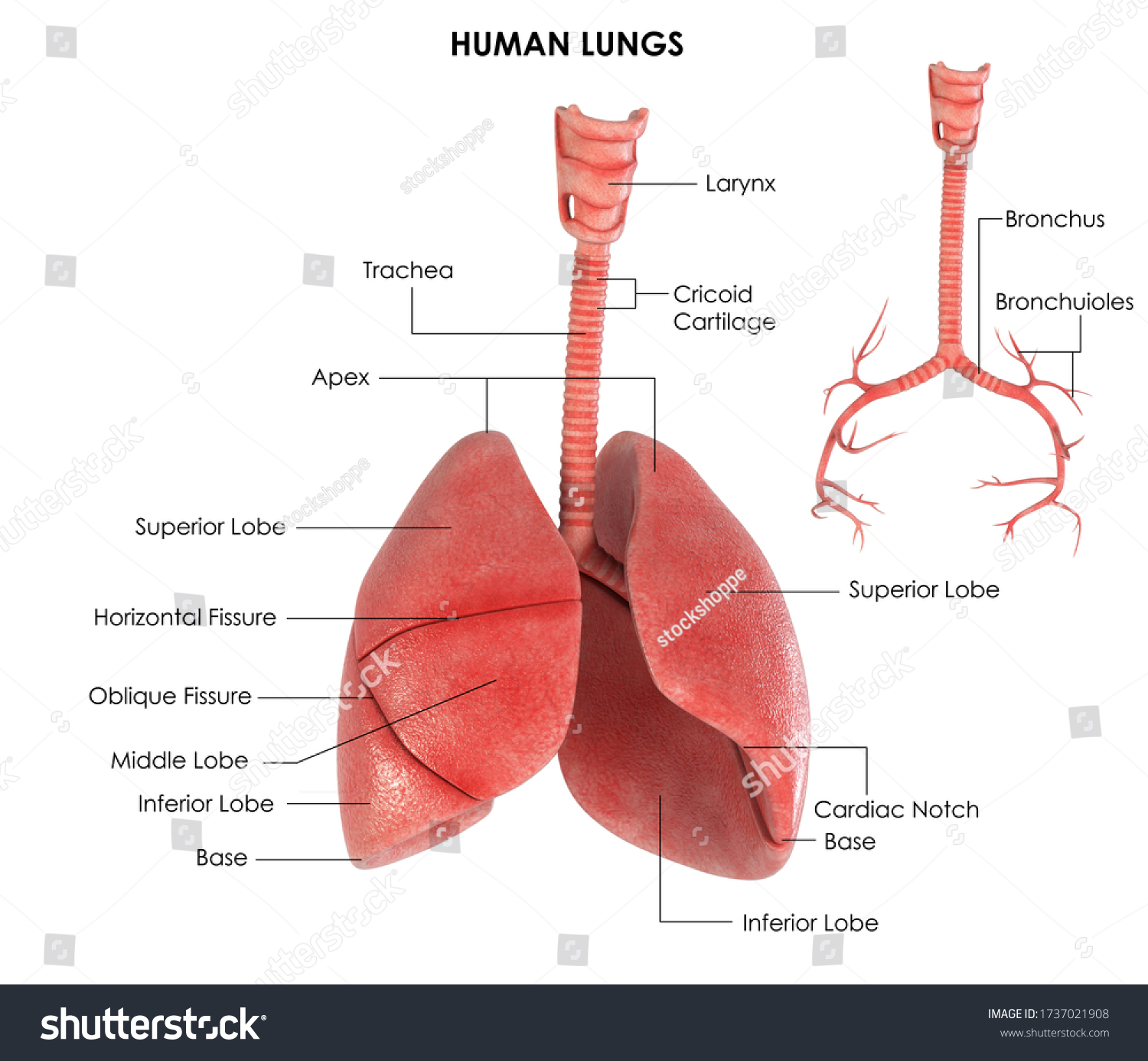
The human body is an incredible work of art, a seamless amalgamation of intricate systems working in harmony. Among these systems, the respiratory system serves a vital purpose, facilitating the essential exchange of gases that sustains life. When delving into the anatomy of the lungs, one may stumble upon a term that piques curiosity—the apex. What, then, exactly defines the apex of the lungs, and what significance does it hold within the grand tapestry of our respiratory anatomy? This article endeavors to elucidate the fascinating aspect of lung anatomy known as the apex in simplified terms.
The apex of the lung, often characterized as the topmost portion, is not merely an anatomical label; it possesses distinct structural and functional properties that warrant exploration. Shaped somewhat like an elongated cone, the apex rises superiorly towards the root of the neck, extending above the level of the first rib. This towering feature can elicit a playful question—how does this seemingly minor structure play a monumental role in respiratory physiology? As we dissect the anatomical marvel that is the lung apex, we can uncover the various dimensions that contribute to its importance.
Firstly, understanding the basic structure of the lungs is crucial. The lungs are paired, conical organs situated in the thorax, flanking the mediastinum. Each lung comprises distinct regions: the base, which rests on the diaphragm, and the apex, which rises above the base. This nomenclature not only helps in identifying these regions but also in understanding their corresponding roles. The apex, often overshadowed by the larger dimensions and functions of the lung base, plays a pivotal role in the overall respiratory dynamics.
To further explore the functions of the lung apex, one must first consider its anatomical context. The lung apex is enveloped in a covering known as the pleura. This serous membrane produces pleural fluid, which serves as a lubricant during the respiratory cycle. But why is this significant? The apex’s unique position subjects it to varying pressures during inspiration and expiration, and adequate lubrication is vital to prevent friction between the lungs and the thoracic wall. Thus, the apex serves not only as a structural component but also plays a critical role in facilitating smooth respiratory mechanics.
In addition to its mechanical functions, the apex is strategically positioned to facilitate efficient gas exchange. At the apex of each lung, there exists a network of alveoli. Alveoli are tiny air sacs where the vital exchange of oxygen and carbon dioxide occurs. The anatomical arrangement of these alveoli at the apex has significant implications for ventilation—a critical function of the respiratory system. Remarkably, during deep inhalation, the apex tends to engage more vigorously in gas exchange compared to the base, highlighting its physiological relevance.
As we traverse deeper into the intricacies of lung anatomy, it is essential to confront common misconceptions. The apex is often associated exclusively with conditions such as apical lung tumors or tuberculomas. However, a broader understanding is necessary. The apex is also susceptible to pathological conditions due to its exposure to environmental pollutants and infections. The apex’s unique position can lead to the accumulation of fluids or pathogens, potentially culminating in complications such as pleurisy or pneumonia.
Moreover, let’s consider the clinical implications of understanding the lung apex. Health professionals often utilize various imaging modalities, including X-rays and CT scans, to identify pathologies affecting this region. A minor shadow or opacity in the apex can raise a red flag, hinting at possible infections, tumors, or other anomalies. Hence, the apex is not just a passive participant but takes center stage in the diagnosis and management of various pulmonary conditions.
The apex’s role in respiratory physiology extends beyond mere structure and pathology. It serves as an intricate network of blood vessels that deliver oxygen-rich blood to the entire body. The superior pulmonary veins and arteries branching at the apex are critical as they regulate blood flow. This vascular arrangement contributes to the efficacy of gas exchange, underscoring the apex’s significance in maintaining homeostasis.
And yet, one might ponder—how can one fully appreciate the importance of the apex without a grasp of its relationship to the body as a whole? Understanding the apex requires an integrated perspective that encompasses not only the lungs but also the entire respiratory system, cardiovascular system, and even the neurological pathways that regulate breathing. This interconnectedness embodies the essence of human anatomy, one that is holistically designed for optimal function.
As we reflect on the complexities and nuances of lung anatomy, especially regarding the apex, one cannot help but be captivated by the challenges posed by this delicate structure. Each breath we take is a testament to the evolutionary finesse that has enabled the apex to fulfill its critical role in human physiology. So, while the apex may seem a mere geographical point at the top of the lungs, its implications stretch far beyond its size. The future of respiratory health hinges on a comprehensive understanding of every facet of lung anatomy, including that of its apex.
In conclusion, the apex of the lung, though often overlooked, is a marvel of biological design. Its unique anatomical structure, integral physiological functions, susceptibility to disease, and significant clinical implications highlight the profound complexities within even the simplest parts of our body. Therefore, it is essential to appreciate the lung apex’s role in the broader context of human health, fostering a reverence for the intricacies and wonders of our anatomy.

Leave a comment