

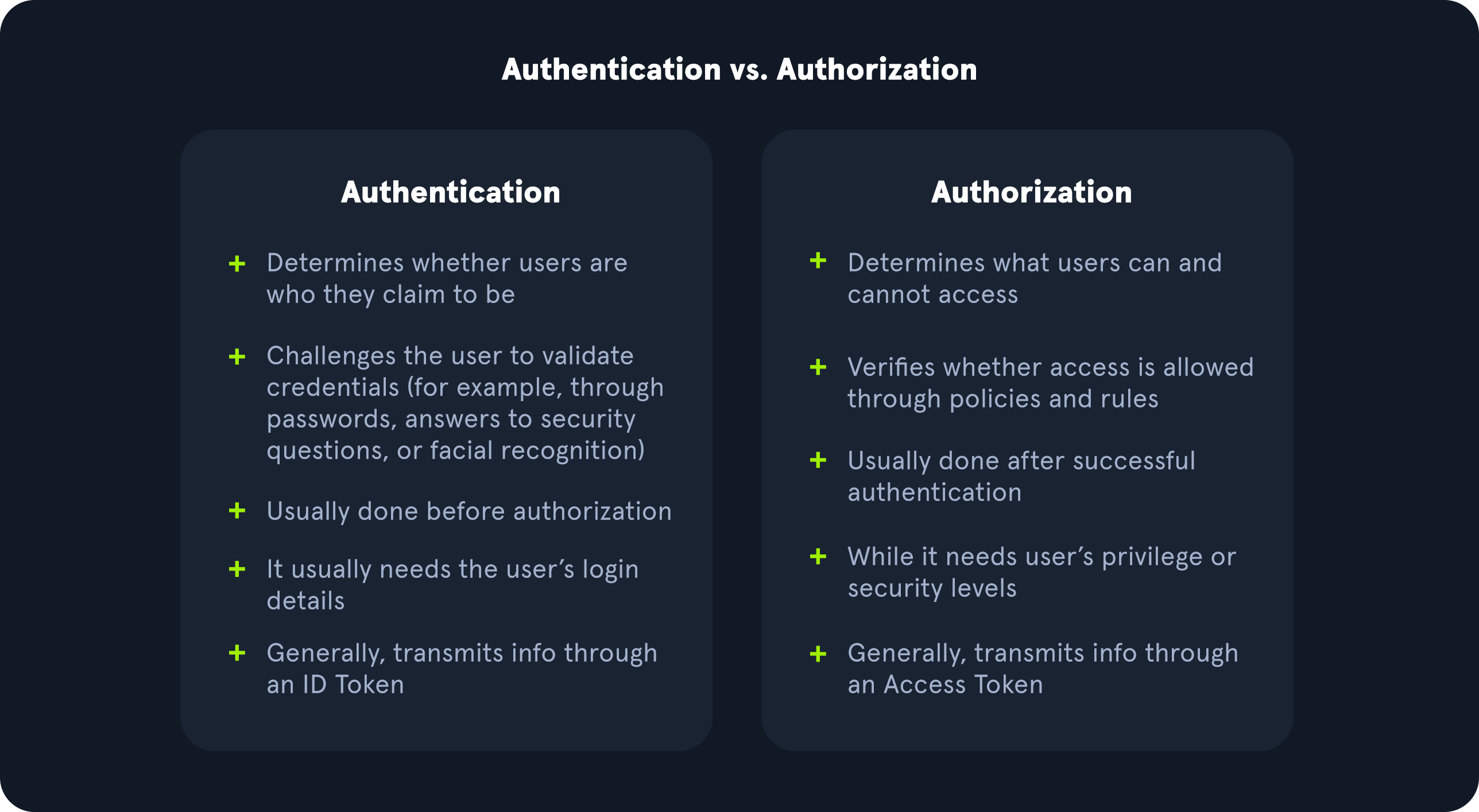
In today’s highly interconnected world, the security of authentication mechanisms and standards has garnered immense scrutiny. As cyber threats evolve, it becomes imperative to ask: which authentication mechanisms and standards are currently exploitable? This question not only underscores the vulnerabilities present in various systems but also invites cybersecurity professionals to contend with the challenge of fortification. Let us embark on an exploration of recent vulnerabilities within authentication systems while illuminating key standards that bear the brunt of these exploits.
Firstly, we must delineate the common authentication mechanisms employed across industries. From basic password entries to multi-factor authentication (MFA), these systems stem from the essential goal of verifying user identity. However, despite their intended security benefits, many have been found lacking under the relentless pressure of sophisticated attack vectors. Indeed, the exploit of weak or misconfigured mechanisms can lead to catastrophic breaches, influencing sensitive data confidentiality and integrity.
Among the most venerable authentication methods is the password protocol, which remains a pervasive and troubling weak point in cybersecurity. Despite the widespread advocacy for stronger password policies, such as complexity and regular updates, users often succumb to the allure of convenience. This results in password reuse across multiple platforms, leaving a plethora of accounts vulnerable to credential stuffing attacks. In this scenario, attackers utilize stolen credentials from one source to infiltrate accounts across numerous other platforms. The simplicity and efficiency of this method cannot be overstated, as it leverages human behavior against structured technologies.
Moreover, consider the challenge posed by phishing attacks, which exploit cognitive biases and human error to wrest sensitive information from unwitting victims. Phishing has evolved into a sophisticated discipline, morphing from relatively simple emails into highly crafted scenarios that seamlessly mimic trusted entities. The rise of social engineering tactics has made users the weakest link in the authentication chain, where they unwittingly hand over their credentials, facilitating unauthorized access.
As we pivot our focus to multi-factor authentication, one might assume that the dual-layer of security mitigates risk significantly. However, recent vulnerabilities have surfaced within certain MFA implementations, exposing them to exploits. For instance, the use of SMS for second-factor authentication has proven to be a double-edged sword. While it enhances security, it is also susceptible to SIM swapping and interception attacks. Cybercriminals can deceptively manipulate mobile networks, convincing carriers to transfer a victim’s phone number to their controlled device, thus bypassing the essential verification step.
Next, let us examine the Single Sign-On (SSO) framework, which promises enhanced user experience by allowing access across multiple services with one set of credentials. While convenient, the centralization of data can be detrimental. If an SSO service is compromised, the attacker potentially gains unfettered access to all connected applications. The breach of the SSO ecosystem necessitates rigorous scrutiny of its architecture and implementation, as any failure can have cascading effects across various integrated platforms.
Delving into the realm of standards, the OAuth 2.0 protocol is widely lauded for its efficacy in providing secure delegated access. Despite its merits, vulnerabilities have emerged, notably concerning the implicit grant type. By using this type, applications inadvertently expose access tokens within URLs, rendering them susceptible to interception. Cybersecurity professionals must recognize the potential pitfalls within this standard and advocate for more robust implementation practices, including the utilization of the authorization code grant type which is inherently more secure.
Another critical standard that warrants attention is OpenID Connect, which builds upon OAuth 2.0. This identity layer allows for user authentication but also presents avenues for exploitation if not implemented correctly. Common security flaws, such as improper validation of tokens, can facilitate unauthorized access and the impersonation of legitimate users. Therefore, adopting stringent validation measures is paramount for safeguarding against potential exploits.
As we navigate through these complexities, it becomes evident that the battle against weaknesses in authentication mechanisms is ongoing. The interplay of human factors, technological challenges, and inherent system vulnerabilities engenders a landscape that is perilous yet ripe for rectification. Organizations must foster a culture of security, where the emphasis on education, constant vigilance, and adherence to stringent security frameworks converge synergistically.
In conclusion, the arena of authentication mechanisms and standards presents both daunting challenges and significant opportunities for enhancement. As the sophistication of cybercriminal activities heightens, so too must our defenses. Will your organization rise to the challenge, or will it fall prey to the very mechanisms designed to secure it? The onus lies on professionals to evaluate current practices, implement robust solutions, and mitigate the risks posed by emerging threats. Ignoring the exploitability of authentication mechanisms is not merely an oversight but a narrative that could unravel the very fabric of security in our increasingly digital age.

Leave a comment