
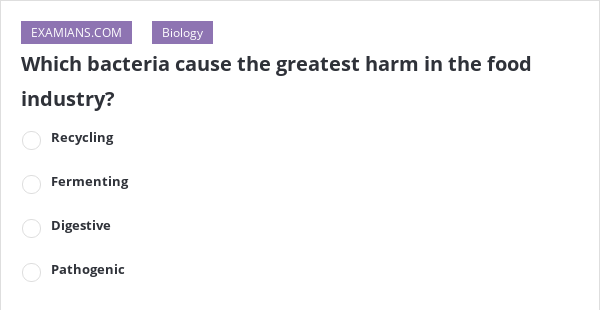
Food safety is an ever-evolving concern, particularly in an age marked by globalized food supply chains and heightened consumer awareness. Every year, millions of people become ill due to foodborne pathogens, prompting a critical examination of which bacteria inflict the most harm on the food industry. Understanding the intricacies of these microorganisms and their impacts not only benefits producers and regulators but also empowers consumers to make informed decisions. This article presents a comprehensive exploration of the bacteria that pose the most significant threats to food safety and industry integrity.
1. The Perils of Bacterial Contamination
Bacterial contamination often manifests subtly, infiltrating food products without noticeable signs of spoilage. This invisibility amplifies the danger, as consumers may unknowingly ingest pathogens that can lead to serious health issues. The consequences range from mild gastrointestinal discomfort to severe illness, and even death. The economic repercussions for the food industry are staggering, with recalls, lawsuits, and loss of consumer trust all contributing to financial strain.
2. The Primary Culprits
Several bacteria have gained notoriety for their association with foodborne illnesses. Each of these pathogens carries unique characteristics that enhance their virulence and ability to proliferate in various food environments.
Salmonella
Salmonella is perhaps the most infamous of foodborne bacteria, primarily known for its association with poultry products, eggs, and sometimes produce. This pathogen can survive in a myriad of environments, thriving in improperly cooked or stored foods. Symptoms of Salmonella infection include fever, diarrhea, and abdominal cramps, typically surfacing within six hours to three days post-exposure. Varieties such as Salmonella enteritidis and Salmonella Typhimurium are prevalent and have been the sources of numerous outbreaks, warranting ongoing vigilance in food safety practices.
Escherichia coli (E. coli)
While many strains of E. coli inhabit the human gut benignly, others, such as E. coli O157:H7, can cause severe illness. Contaminated undercooked ground beef, raw milk, and leafy greens frequently serve as vectors for this pathogen. The onset of symptoms, characterized by severe stomach cramps, diarrhea (often bloody), and occasionally hemolytic uremic syndrome, can lead to kidney failure. The persistence of E. coli in the food supply emphasizes the pressing need for stringent food handling and cooking practices.
Listeria monocytogenes
Listeria monocytogenes, unlike many other foodborne pathogens, can survive in refrigerated environments, making it particularly insidious. Often found in deli meats and unpasteurized dairy products, it poses a significant risk to vulnerable populations, including pregnant women, infants, and the elderly. Symptoms may range from mild flu-like manifestations to severe complications such as meningitis. The gravity of Listeria infections has led to extensive recalls and heightened regulatory scrutiny.
Campylobacter jejuni
Campylobacter is the leading bacterial cause of gastroenteritis worldwide, primarily linked to raw or undercooked poultry, unpasteurized milk, and contaminated water. This pathogen exhibits a relatively low infectious dose, meaning that even small quantities can result in illness. Campylobacter infections typically result in diarrhea, fever, and abdominal pain. Preventative measures, particularly in poultry processing, are essential for mitigating risks associated with this bacteria.
Clostridium perfringens
Clostridium perfringens is often associated with improperly stored cooked meats and gravies. This spore-forming bacterium is notorious for causing food poisoning via its production of toxins. Symptoms manifest usually within 6 to 24 hours after consuming contaminated food, leading to diarrhea and abdominal cramps. Effective food safety practices surrounding cooking, cooling, and reheating are crucial to prevent outbreaks of this pathogen.
3. Emerging Threats and Concerns
As the landscape of the food industry evolves, new bacterial threats are emerging. Antibiotic-resistant strains of bacteria have become increasingly worrisome, resulting in complications in treatment and increased morbidity. Furthermore, the rise of global foodborne epidemics stresses the need for international cooperation and standardized safety protocols.
4. The Crucial Role of Prevention
Prevention remains the cornerstone of food safety. Understanding the characteristics of harmful bacteria can instigate proactive measures at all levels of food production. Implementing Hazard Analysis Critical Control Point (HACCP) plans, educating food handlers, and employing rigorous sanitation practices are pivotal in thwarting contamination. Consumers must also adopt safe food practices such as properly washing hands, cooking foods to safe temperatures, and avoiding cross-contamination.
5. Conclusion: A Call to Action
The bacteria that inflict harm on the food industry represent a complex web of challenges that require sustained attention and action. By recognizing the various pathogens that threaten food safety and understanding their modes of transmission and impact, stakeholders at every level can foster a culture of awareness and prevention. From producers to consumers, the commitment to safe food handling practices will not only protect public health but also support the integrity of the food industry as a whole.
Embracing food safety will not only mitigate health risks but also foster trust and transparency within the market. The journey toward an uncompromised food supply is continuous and necessitates collective responsibility, vigilance, and education.
