

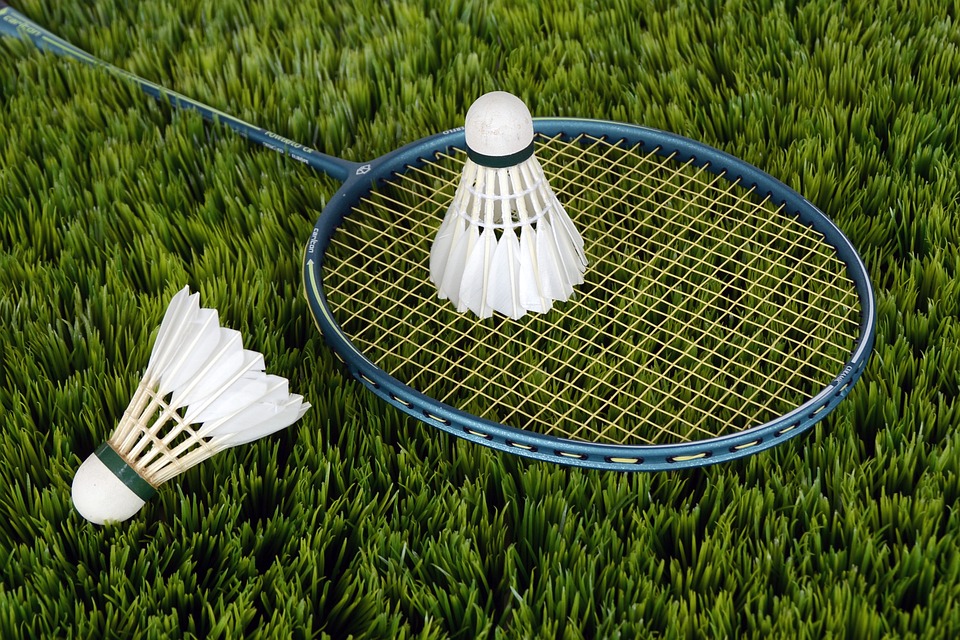
Choosing a badminton racket can be likened to selecting the right brush for a painter; the tool must resonate with the artist’s intent to create a masterpiece. The intricacies of the sport demand not only skill but also the perfect amalgamation of equipment to complement a player’s abilities. This guide delves deep into the various aspects of badminton rackets, providing a comprehensive roadmap for players of all levels.
1. Understanding Racket Components
A badminton racket comprises several key components, each contributing to its performance and feel. The frame forms the backbone, typically made from materials like aluminum or carbon fiber. The former offers durability but lesser responsiveness, while the latter — lightweight and more resilient — allows for dynamic maneuverability.
The shaft, which connects the handle to the head, plays a pivotal role in power transmission. A stiffer shaft enhances power and speed, best suited for aggressive players. Conversely, a more flexible shaft allows for greater control and is favorable for those who prefer finesse over power.
The head of the racket is equally crucial. A larger head can create a larger sweet spot, which in turn can be more forgiving for players still mastering their precision. On the other hand, a smaller head often facilitates better control and accuracy, appealing to seasoned players seeking that competitive edge.
2. Grips: The Unsung Heroes
The grip of a racket is pivotal, often overlooked in its importance. It is the player’s primary contact point, influencing control and maneuverability. Grips come in various sizes; selecting the appropriate size is essential for an ergonomic and confident hold. Too small a grip can lead to discomfort and unwanted slippage, while a grip that is overly large can inhibit quick wrist action — a critical aspect in badminton.
Material also plays into the comfort and performance of the grip. Synthetic options tend to offer a firmer feel and enhanced durability, while natural materials can provide a more comfortable touch but may sacrifice longevity. Players should opt for grips that suit their playing style and hand size, ensuring a seamless connection between themselves and their rackets.
3. Weight of the Racket
The weight of a badminton racket is paramount, determining not just the ease of use but also the effectiveness of the strike. Rackets are typically classified as lightweight (under 85 grams), medium (85 to 90 grams), and heavyweight (over 90 grams). Lightweight rackets facilitate swift movements and are ideal for quick reflexes, while heavier rackets can imbue power and stability in strikes.
When selecting a weight, consider a player’s physical attributes and playing style. A more robust player might gravitate toward heavier rackets, harnessing strength for powerful shots, while a more agile competitor might prefer lightweight options to maximize speed.
4. Balance: A Dance of Forces
Balance points significantly affect how a racket feels in the hand. Head-heavy rackets provide enhanced power, perfect for dominating smashes and quick offenses. Conversely, rackets balanced towards the handle amplify control and maneuverability, ideal for players who value precision and finesse.
Finding the ideal balance involves considering personal style and strategy. Players should experiment with both types to discover whether they thrive in power play or prefer tactical finesse.
5. Strings: The Heart and Soul
No discussion of a badminton racket is complete without addressing strings. The gauge and tension of the strings affect both feel and performance. Thicker strings generally offer better durability, while thinner strings enhance playability and spin. However, thinner strings may need to be replaced more frequently due to wear.
Tension is equally subjective; higher tension generally translates to better control, while lower tension allows for a livelier feel but can sacrifice accuracy. A judicious approach to string selection and tension is essential, aligning with the player’s level and style to maximize performance.
6. Choosing the Right Racket for Skill Level
For novice players, budget-friendly options with larger sweet spots are advisable. These rackets often offer a mix of lightness and durability while accommodating the learning curve. Various brands cater to this demographic, blending cost-effectiveness with reasonable performance standards.
Intermediate players may opt for rackets that allow for experimentation in style, combining moderate weight with variable shaft stiffness to accommodate growth in skill. Rackets designed for all-round play would be ideal during this transitional phase.
Advanced players seeking to refine their techniques often gravitate toward high-end models that offer customizable options, enabling a tailored experience that matches their precise needs. Attributes such as lightweight frames, advanced materials, and personalized grips often play into their decision-making process.
7. Brand Considerations
The badminton market is saturated with various brands, each offering unique features and benefits. Renowned names often deliver innovation and reliability. However, it is wise to prioritize personal preference and playing style over brand loyalty. Players should test various models to determine which resonates best with their approach to the game.
Conclusion
In the grand symphony of badminton, the racket stands as the conductor, directing the flow of energy, finesse, and vigor. Understanding the myriad components of a racket paves the way for a more enriched playing experience. By considering factors such as grip, weight, balance, and string characteristics, players can confidently select a racket that mirrors their style and ambitions. Ultimately, the right badminton racket is not merely an accessory; it is a partner in the pursuit of excellence on the court.

Leave a comment