

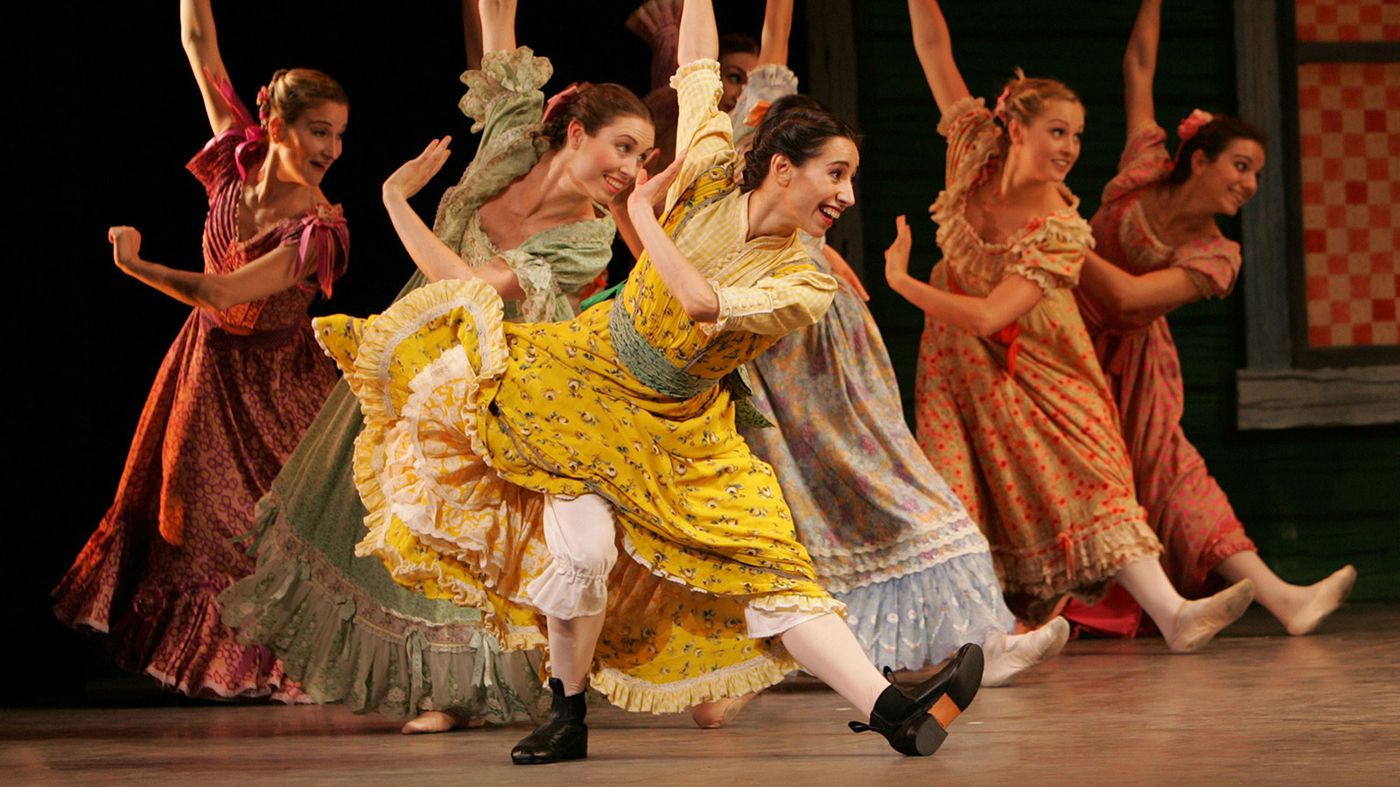
When examining the realms of American classical ballet, one cannot overlook the profound impact of Aaron Copland’s compositions. Among his various works, “Appalachian Spring” stands out as a quintessential ballet that not only embodies rural life but also encapsulates the spirit of early 20th-century American culture. The ballet, commissioned by Martha Graham, illustrates an intricate tapestry of themes which resonate deeply with notions of community, dawn, and the idyllic simplicity of pastoral existence.
At its core, “Appalachian Spring” ventures into the heart of Americana, illustrating the beauty and hardships of rural life. The ballet depicts a young bride as she prepares for her wedding day in a pioneer setting. The narrative, while simple on the surface, delves into the profound complexities of love, hope, and human connection against the backdrop of an expansive and sometimes unforgiving landscape. This juxtaposition of the individual against the vastness of nature is a recurrent motif in Copland’s work, serving as a reflection of the American spirit itself.
One must consider Copland’s unique ability to translate the essence of rural life into music that speaks universally. The ballet begins with a gentle, flowing melody that evokes the soft whispers of nature; it simulates the subtle sounds of a waking rural morning. Each note functions as an auditory brushstroke painting scenes of bucolic beauty, with the choreography complementing this idyllic imagery. The bright, buoyant theme represents joy and innocence, encapsulating the bride’s anticipatory excitement while also hinting at the trials that underpin her journey.
The significance of Copland’s choice to focus on a wedding ceremony cannot be overstated. A wedding, in its traditional context, symbolizes not just the union of two individuals but the coming together of families and communities. This aspect of connection is vital in the harmonious portrayal of rural life. The music swells with emotion as the story progresses, mirroring the interconnectedness of the characters. The themes of hope and transformation are palpable; they beckon the audience to ponder their own roots, familial ties, and the simplicity that often nurtures profound relationships.
In her choreography, Graham employs movements that embody the struggles and triumphs of rural living. The dancers’ movements are both robust and lyrical, mirroring the ruggedness of the land, as well as the elegance of the human spirit. Employing gestures that reflect everyday tasks – the gathering of resources, the nurturing of relationships – the choreography brings to life the unsung labors that are the backbone of rural existence. As the narrative unfolds, the use of space becomes increasingly significant, suggesting not only physical distance but emotional landscapes that the characters must traverse.
The thematic quilt of “Appalachian Spring” is interwoven with rich symbols that transcend the literal interpretation of rural life. The imagery inherent in the ballet speaks to the idea of rebirth and resilience, encapsulated by the arrival of spring itself. This season is emblematic of renewal; it signifies not just the cyclical nature of life but also the hope for a better future. Copland’s score reflects this motif through its gradual buildup, transitioning from the serene simplicity of the opening passages to the exuberant celebration of love and life at its climax. The crescendo does not merely signify a festive event; it culminates in an expression of joyful hope that resonates with audiences across generations.
This marriage of auditory and visual elements propels the ballet beyond a mere depiction of rural life. It embodies a philosophical exploration of the human condition. The characters find themselves navigating the challenges posed by their environment, while simultaneously fostering relationships that contribute to both personal and communal growth. The sheer beauty of this ballet lies in its ability to resonate with the universal experience of human struggle and triumph, making it not just a reflection of rural America, but a metaphor for the larger human experience.
Moreover, the socio-political backdrop against which “Appalachian Spring” was created cannot be overlooked. Emerging during a period marked by economic hardship and societal upheaval, the ballet is infused with a sense of nostalgia for a simpler time. It echoes a collective yearning for connection amidst the chaos of modernity. Copland, through this work, invites audiences to reflect on their relationship with the land and their roots, prompting an exploration of what it means to belong to a community. The enduring popularity of “Appalachian Spring” is emblematic of its ability to address these universal concerns, making it a relevant entry in the canon of American ballet.
In conclusion, “Appalachian Spring” transcends mere representation; it is a profound exploration of life, love, and the human connection to the land. Through Copland’s evocative score and Graham’s poignant choreography, the ballet serves as a celebration of rural life, representing the resilience of the American spirit. It invites audiences to reflect on their own experiences while highlighting the rich tapestry of human existence—an interplay of joy, sorrow, hope, and community that resonates deeply with all who encounter it. This ballet is not merely a performance but a timeless ode to the simplicity and complexity of life itself.

Leave a comment