
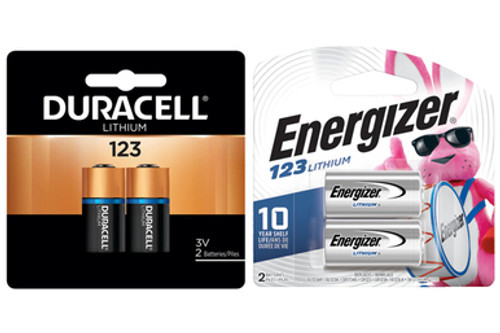
In the realm of everyday devices, batteries serve as the hidden catalysts that empower our gadgets, from remote controls to powerful digital cameras. Yet, a question reverberates through the minds of many consumers: which batteries are better, Energizer or Duracell? As we venture into a thorough performance review, let us pose an intriguing question—what if your choice of batteries could dramatically influence the efficiency of your devices? This consideration surfaces not merely in terms of capacity but also in longevity, cost-effectiveness, and environmental impact. Thus, we embark on a systemic exploration to dissect the competing merits of these battery titans.
To commence, it is crucial to delineate the formulations of both brands. Energizer and Duracell offer an array of battery types, including alkaline, lithium, and rechargeable options. Historically, Duracell, recognized by its copper-top design, markets itself as a consumer favorite, but Energizer’s innovation, highlighted by its EcoAdvanced line, beckons an equally compelling narrative. Such distinctions create a spectrum of performance parameters worthy of meticulous scrutiny.
When evaluating the performance metrics, one of the most critical aspects is energy capacity, typically measured in milliamp-hours (mAh) for rechargeable types and dependent on battery chemistry for alkaline. Tests frequently reveal that Duracell batteries tend to have a marginally higher capacity than Energizer’s offerings. However, this noticeable difference raises a pivotal quandary: is numerical superiority in capacity synonymous with superior performance in practical use?
Another variable to consider is discharge rate. Energizer batteries claim to sustain optimal voltage for a more extended period than their counterparts. In practical applications, consumers contest that this translates into devices operating reliably over longer durations, a fundamental consideration during high-demand scenarios such as digital photography. Therefore, an examination of use cases is imperative. For items requiring low to moderate power intermittently, such as TV remotes or wall clocks, either brand may suffice. However, for high-drain devices such as gaming controllers or digital single-lens reflex cameras, Energizer enthusiasts often tout their preference based on larger operational consistency.
In terms of construction, both manufacturers invest in durability; however, some users articulate that Duracell batteries exhibit greater resistance to leakage and corrosion, a crucial factor in prolonging the shelf life of unused batteries. Consequently, a well-informed consumer must consider if the longevity in storage is of equivalent importance as immediate performance in their specific applications.
Now, let us delve into the comparative pricing structure. Typically, Duracell batteries command a modest premium over Energizer products. This raises a thought-provoking consideration: are consumers indeed willing to pay more for potentially enhanced performance? A deeper analysis into the cost-per-use ratio may yield practical insights. It is essential to evaluate not merely the initial cost but the lifespan of power delivered, which serves as a vital benchmark for value assessment. Brand loyalty plays a tremendous role here, as many individuals exhibit a proclivity towards one brand due to personal outcomes or recommendations.
Environmental impact emerges as an increasingly relevant factor in the battery discourse. With the proliferation of eco-conscious consumers, Energizer’s EcoAdvanced line, composed of recycled materials, presents a marked shift towards sustainability. Conversely, Duracell has initiated its initiatives aimed at recycling programs, although the extent of their impact has garnered varying opinions among environmental advocates. The conundrum arises: how do consumers weigh ecological responsibility against performance efficacy? The answer often boils down to individual values and the imperative to address the burgeoning e-waste crisis.
In light of anecdotal evidence and independent testing agencies, performance may appear relatively subjective, dependent heavily on usage contexts. It is imperative for users to contemplate their unique requirements. Compared to Duracell’s superior capacity ratings, Energizer may provide a more favorable experience in consistent, high-drain applications. Moreover, when one juxtaposes environmental philosophy against performance metrics, an exhaustive decision-making process unfolds—one that demands introspection beyond mere brand allegiance.
Ultimately, both Energizer and Duracell manifest commendable qualities, albeit with distinctive strengths. As consumers evaluate which brand ultimately suits their needs, they must weigh the myriad factors—from capacity and discharge rates to longevity and eco-conscious initiatives. Industry enthusiasts suggest that experimenting with both brands in varied situations may culminate in optimal outcomes, a pragmatic approach that embraces the complexity of battery performance.
In conclusion, as we dissect the attributes of Energizer and Duracell, the delineation of superiority cannot be universally cast. Each brand presents its array of advantages, and the “better” battery is profoundly anchored in individual usage scenarios. Will you be swayed by Duracell’s robust capacity or Energizer’s innovative efficiency? The exploration of battery superiority may very well challenge entrenched perceptions, elevating our understanding of something so seemingly trivial into an audacious inquiry of performance, preference, and principle.
