

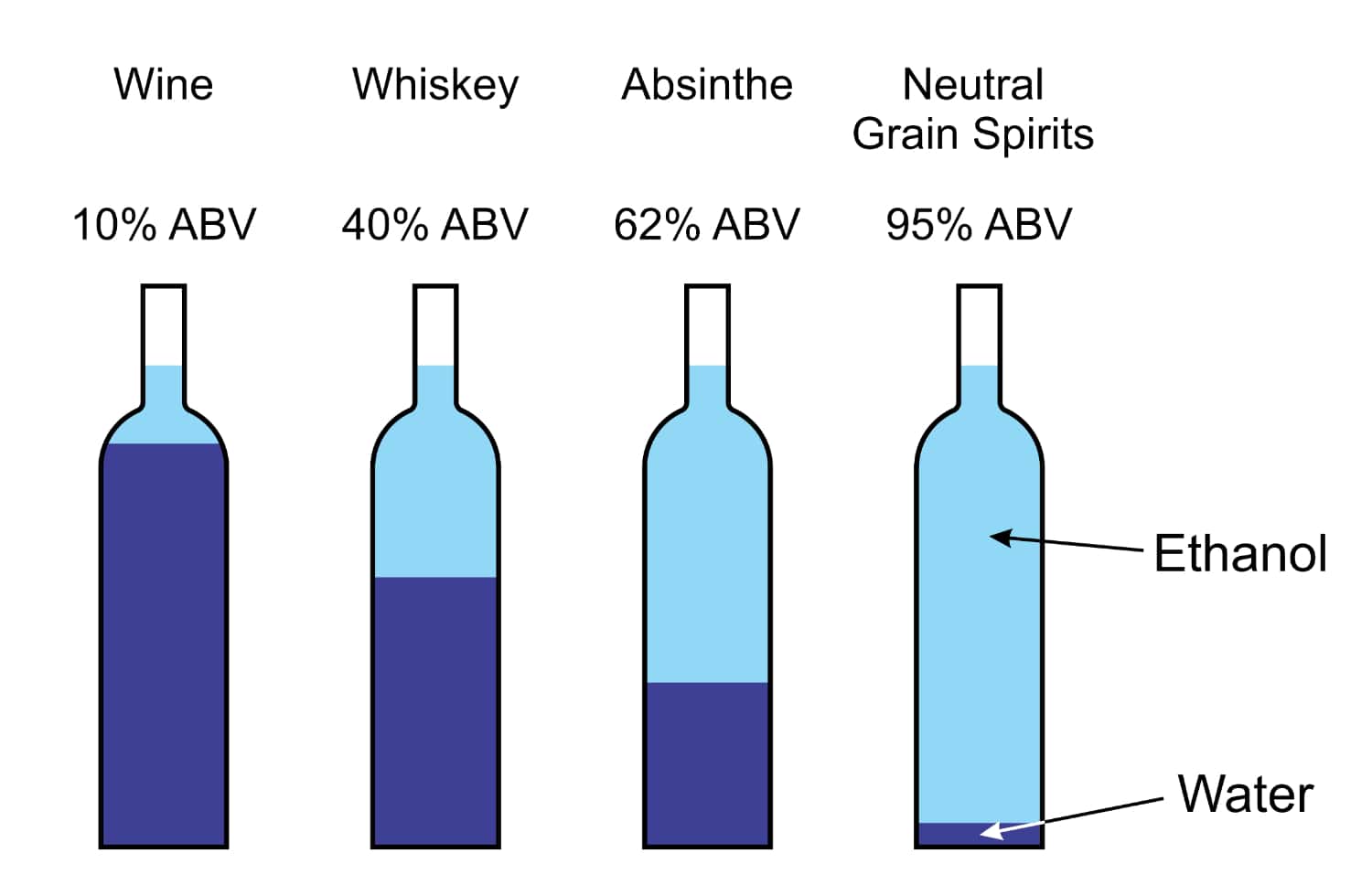
Beer, a delightful elixir, has long been a staple in social gatherings, culinary experiences, and even artisanal crafts. For the uninitiated, the bewitching world of high-alcohol beers, notably those boasting a commendable 10 percent ABV (alcohol by volume), may provoke intrigue and curiosity. These potent brews offer a tantalizing journey that delves into the depths of flavor, complexity, and the art of brewing itself. Herein, we embark on an exploration that unveils the splendid realm of 10 percent alcohol beers.
First and foremost, it is imperative to grasp the significance of ABV in the beer landscape. ABV serves as a crucial metric that informs connoisseurs about the intensity and potential effects of the beverage. A higher ABV not only indicates strength but often correlates with a more complex flavor profile. As such, beers lying at or above the 10 percent threshold capture the interest of those willing to traverse beyond the pedestrian offerings of standard lagers and ales.
Among the myriad options available, imperial stouts often lead the parade of high-ABV offerings. With their robust mouthfeel and rich, roasted characteristics, these dark brews are revered for their capacity to meld intricate flavors such as chocolate, coffee, and dark fruits. An exemplary representative in this category is the Russian Imperial Stout, a style that originated in 18th-century England. With a vintage charm, this beer sculpts a narrative of historical brewing practices while delivering a formidable 10-12 percent ABV.
Next, we encounter the world of barleywines. These noteworthy concoctions typically hover around the 10-15 percent ABV mark, evoking a sense of warmth and opulence in every sip. Barleywines are characterized by their lavish malt profiles, which imbue them with sweetness and a full-bodied character, making them an indulgent experience. The beauty of barleywines is accentuated through the aging process; many brewers opt to cellar these beers, allowing complex flavors to develop and evolve, resulting in an ambrosial experience for the palate.
Furthermore, Belgian-style strong ales command their place on the high-ABV spectrum. Emboldened by unique yeast strains and traditional brewing methods, these beers often present fruity esters intertwined with spicy phenols, creating a delightful interplay of flavors. With a formidable ABV often surpassing 10 percent, these ales invite drinkers into a sensory journey akin to exploring a vibrant market filled with exotic spices and fresh produce. Delve into options such as Belgian Dubbel or Tripel to uncover distinctive layers that become apparent as you savor each sip.
The world of IPAs, particularly Double or Imperial IPAs, further expands the conversation surrounding high-alcohol beers. With their assertive hop profiles, these brews often clock in at or above 10 percent ABV, juxtaposing bitterness with a robust malt backbone. The interplay of hops creates a cacophony of aromas—think pine, citrus, and resin—that captivate the olfactory senses prior to the initial taste. Noteworthy examples in this style showcase innovative brewing practices, with selections that meld local and experimental hop varieties, resulting in an aromatic experience that transcends expectations.
Venturing further into the realm of high-ABV beers, one cannot overlook the resplendent category of sour ales. Though traditionally associated with lower ABV levels, some specialized variants embody an astonishing 10 percent or more. These avant-garde brews often undergo secondary fermentation with wild yeast strains, transforming their character into a harmonious balance of tartness and complexity. Fruited sours, which utilize seasonal ingredients, reflect the artisanal craftsmanship inherent in modern brewing culture, creating beers that resonate with both casual drinkers and aficionados.
Transitioning to the world of canned or bottled high-alcohol offerings, it is important to recognize the implications of accessibility. The rise in popularity of such beers has fostered a burgeoning craft beer movement, in which smaller breweries have seized the opportunity to innovate and captivate consumers. This newfound accessibility invites enthusiasts from all walks of life to explore and experiment with high-ABV options, unlocking a wealth of experiences that go beyond traditional beer consumption.
However, while indulging in these robust brews, one must approach with a sense of responsibility and moderation. High-ABV beers can yield potent effects, and as such, they require respect and mindfulness in consumption. Sipping rather than chugging, allowing the flavors to unfold gradually, enhances the appreciation of the brewing artistry inherent within each pour. Furthermore, pairing these beers with complementary foods—rich cheeses, dark chocolates, or even hearty stews—can elevate the experience, transforming a simple drink into a culinary affair.
In conclusion, the exploration of beers that reach the 10 percent ABV threshold offers a plethora of experiences that intrigue and excite the senses. From imperial stouts to sour ales, and everything in between, this journey profoundly alters perceptions of what beer can be. As consumers delve into these options, they are encouraged to embrace a paradigm shift in their relationship with beer—one that appreciates the craftsmanship, history, and complexity of each high-alcohol brew. This odyssey promises not only depth but also the exhilaration of discovery among the vast and ever-evolving world of beer.

Leave a comment