

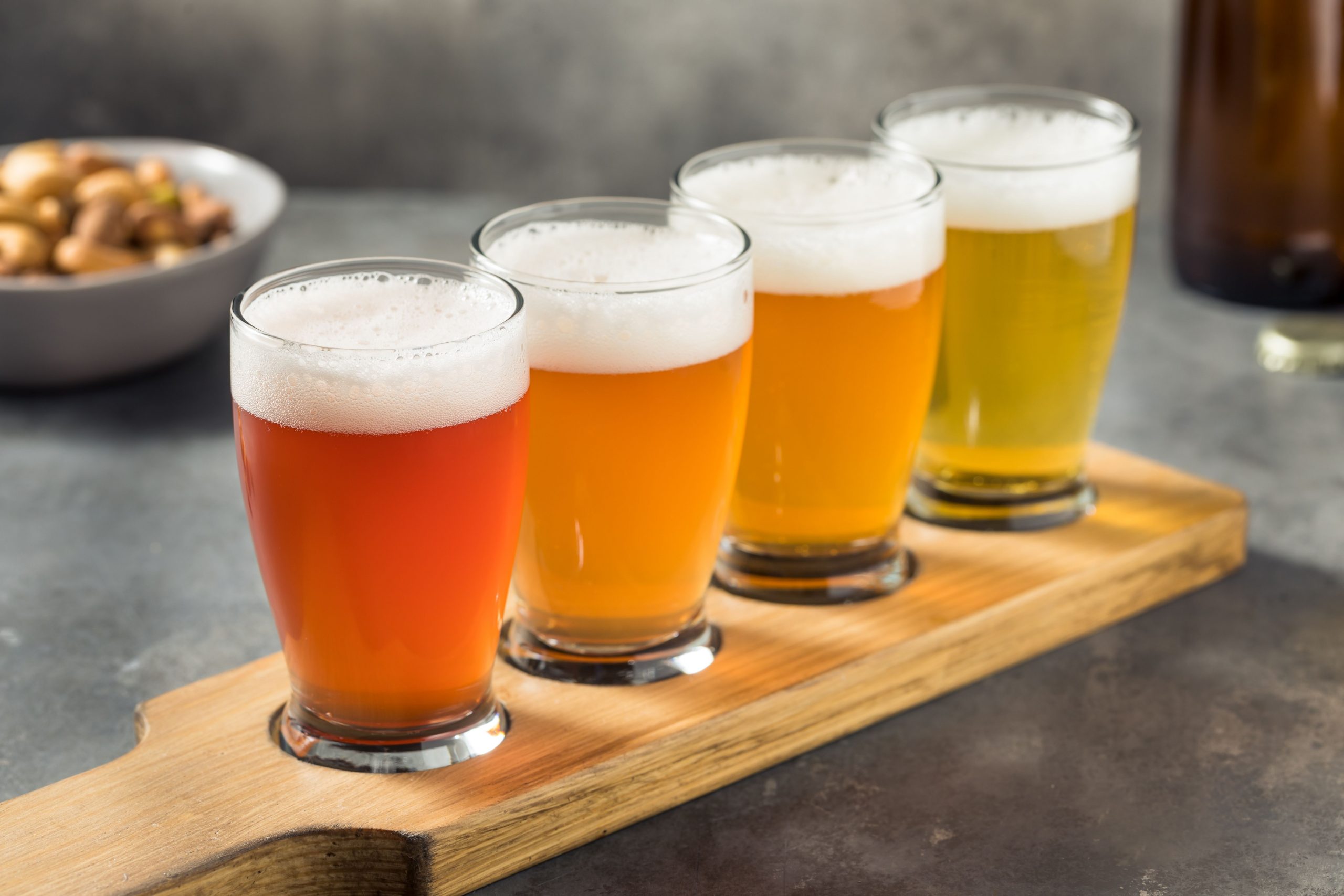
As the craft beer revolution gains momentum, the relationship between health consciousness and beer consumption has garnered increased attention. Many aficionados might be surprised to discover that not all beers are created equal—specifically in terms of their sugar content. For those health-conscious drinkers, understanding the nuances of sugar levels in beer can profoundly impact their choices. This inquiry not only speaks to the desire for moderation but also hints at broader considerations surrounding dietary choices and lifestyle. Herein, we will explore which beers are low in sugar, offering exemplary options for the discerning drinker.
Understanding Sugar in Beer
To embark on this exploration, it is imperative first to comprehend how sugar manifests in beer. During the brewing process, fermentable sugars from malted grains are converted into alcohol by yeast. However, not all sugars are eliminated in this transformation. The residual sugars contribute to the beer’s sweetness and body. Moreover, various brewing methods and ingredients can influence the final sugar content. Thus, the quest for low-sugar beers necessitates an examination of these brewing variables.
Defining Low-Sugar Beers
When we discuss low-sugar beers, it is essential to define what constitutes “low.” Typically, beers with fewer than 5 grams of sugar per serving can be considered low. This threshold aligns with the general dietary recommendations for sugar intake, making such beers more palatable for individuals mindful of their health. As we delve deeper, one discovers that numerous styles of beer adhere to this criterion.
1. Light Lagers: The Quintessential Low-Sugar Option
Light lagers are often the first choice for health-conscious drinkers seeking to limit their sugar intake. These beers, which have garnered mainstream popularity, tend to have lower residual sugar levels owing to their simplified fermentation process. Brands such as Michelob Ultra and Budweiser Select 55 boast sugar contents that often do not exceed 2 grams per serving. The crispness of light lagers, coupled with their low calorie count—often ranging from 55 to 110 calories per 12-ounce serving—makes them an apt choice for those wishing to maintain a balanced diet.
2. Dry Stouts: A Surprising Contender
While stouts are conventionally associated with rich, sweet flavors, certain iterations, particularly dry stouts like Guinness Draught, can also be categorized as low-sugar beers. The unique malting process involved in creating these beverages results in the development of complex flavors without an overwhelming sugar profile. A standard 12-ounce serving of Guinness contains approximately 4 grams of sugar, a commendable figure that tends to surprise many. The roasted malt character offers a satisfying experience without the guilt often associated with sweeter beers.
3. IPA Variants: The Craft Beer Antithesis
India Pale Ales (IPAs) have become synonymous with the craft beer movement, celebrated for their hoppy bitterness and diverse flavor profiles. While many IPAs may contain higher sugar levels compared to lighter styles, a growing number of breweries are producing session IPAs with a lower residual sugar content. These beers often feature bright hop aromas and flavors while maintaining a balance that keeps sugar levels at bay—some as low as 3 grams per serving. Noteworthy options include Founders’ All Day IPA and Dogfish Head’s Slightly Mighty.
4. Hard Seltzers: An Emerging Alternative
The meteoric rise of hard seltzers has revolutionized the beverage landscape, appealing to a demographic increasingly concerned about sugars and caloric intake. Many hard seltzers contain negligible sugar—often less than 2 grams per 12-ounce serving. Brands like White Claw and Truly capitalize on this trend, presenting a myriad of flavors while remaining refreshingly low in sugar. While not traditional beer, these beverages satisfy the thirst for flavor without compromising on health-centric choices.
5. The Role of Ingredients and Brewing Methods
An often-overlooked aspect in the discussion of low-sugar beers is the impact of ingredients and brewing methods on sugar content. Innovative techniques such as using high-attenuating yeast strains or enzymes that facilitate the fermentation of complex sugars can lead to lower residual sugar levels. Furthermore, the incorporation of adjuncts—such as rice or corn—can similarly reduce sugar content. These advancements allow brewers to create diverse and flavorful beers that cater to the health-conscious drinker without sacrificing quality.
Conclusion: Navigating the Landscape of Low-Sugar Choices
In conclusion, the quest for the beer with the least sugar is not merely a search for simple labels but an exploration of flavor, craftsmanship, and consumer health awareness. As the craft beer community continues to innovate, an abundance of options emerges for those wishing to indulge responsibly. From light lagers to unexpected dry stouts and the refreshing allure of hard seltzers, the health-conscious drinker can take solace in diverse selections that mitigate sugar intake. By making informed choices, individuals can savor the pleasures of beer while aligning their choices with their health values.

Leave a comment