

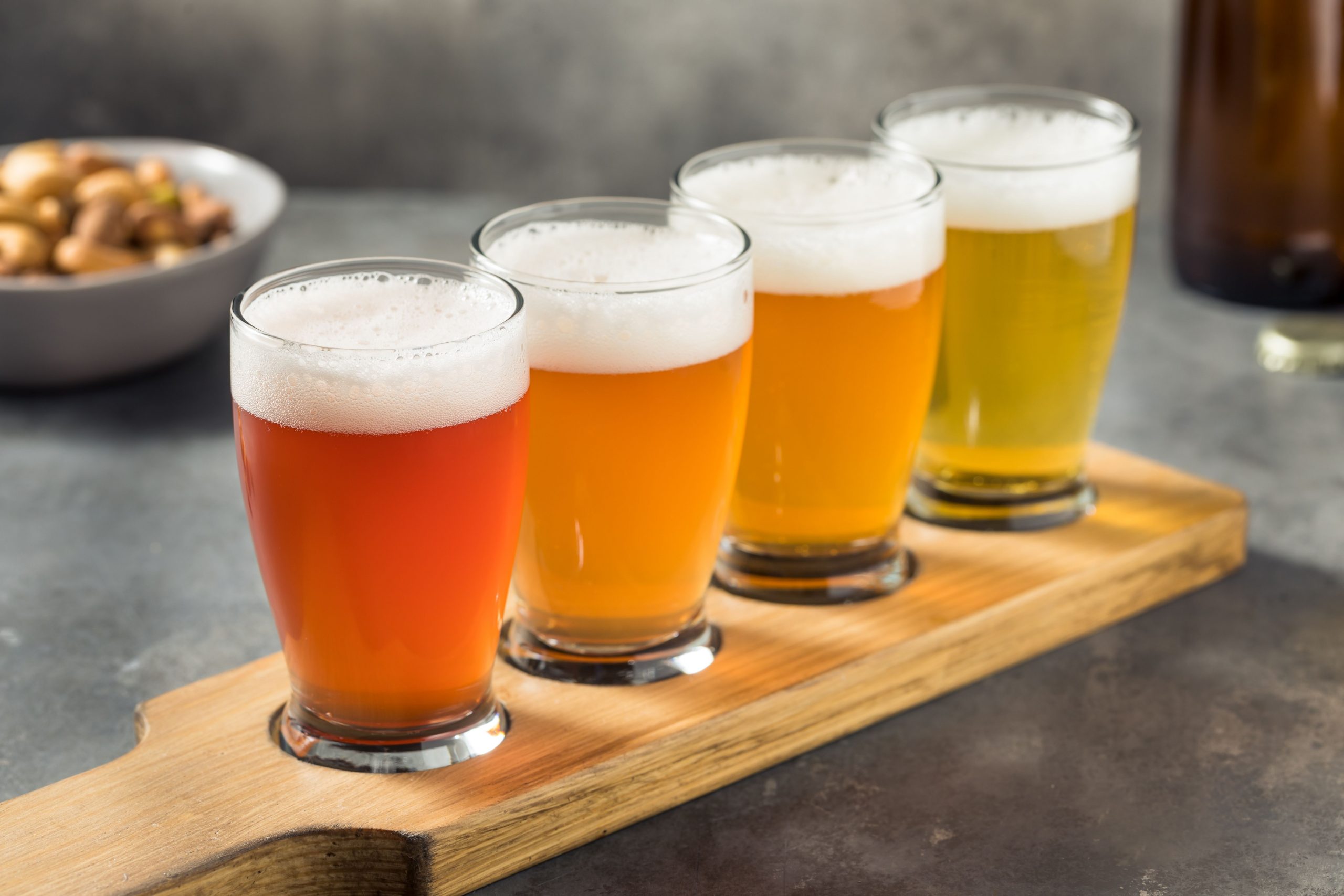
Beer, a staple of conviviality and a remarkable manifestation of human creativity, has been a fundamental element of social gatherings for millennia. Among beer enthusiasts, the quest for achieving optimal brew strength—particularly in terms of alcohol content—has garnered considerable attention. Understanding which beer possesses the highest alcohol content necessitates an exploration of the various styles and brewing techniques that contribute to elevating the alcoholic potency of this cherished beverage.
To initiate this inquiry, it is paramount to grasp the basic concept of alcohol by volume (ABV), which serves as the benchmark for quantifying the strength of any alcoholic drink. ABV is defined as a percentage that reflects the volume of alcohol (ethanol) in a given volume of the beverage. Typically, beers range from a modest 3% ABV to a more robust 12% or 15% ABV. However, some styles transcend these conventional limits, blurring the lines of the classification system.
When categorizing beers based on their alcohol content, one must consider several distinctive styles known for their high ABV. These ranges include, but are not limited to, strong ales, imperial stouts, barleywines, and Belgian tripels. Each subclass not only showcases an impressive alcoholic potency but also embodies intricate flavor profiles arising from unique brewing methods and ingredients.
1. Strong Ales
Strong ales, a vast category encompassing various subtypes, are renowned for their higher alcohol levels, which typically range from 7% to 12% ABV. A particularly noteworthy varietal is the English Barleywine, often clocking in at exceptional strengths. These brews are distinguished by their robust malt character, which provides a rich sweetness that balances the heightened alcohol. Notable examples include the renowned “Old Ale,” often aged in wooden casks to impart complex flavors, further enhancing the drinking experience.
2. Imperial Stouts
Imperial stouts represent a pinnacle of rich and dark beers, exhibiting an alcohol content frequently exceeding 10% ABV. Originating from traditionally robust stouts, these iterations are imbued with intense flavors ranging from coffee and chocolate to licorice and dark fruits. The brewing process often involves a lengthy fermentation period, which, supplemented by the use of a variety of malts, contributes to an alcohol level that commands respect among enthusiasts. Brews such as “Russian Imperial Stout” have historical significance, originating from the 18th century, and they continue to inspire modern brewers striving for extraordinary strength.
3. Barleywines
Barleywine, as its name suggests, is a historic beer style that rivals wines in both flavor complexity and alcohol content. With typical ABV levels ranging from 8% to 12% or beyond, barleywines are often characterized by a candy-like sweetness accentuated by a robust and malty backbone. American barleywines tend to embrace a more hoppy character, reminiscent of India Pale Ales, while English varieties may lean towards a more subtle, fruit-forward profile. The diversity within this category offers a broad spectrum for connoisseurs looking to explore high-alcohol brews.
4. Belgian Tripels and Quads
A hallmark of Belgium’s brewing legacy is the Belgian Tripel, often characterized by a golden hue and an ABV hovering around 8% to 10%. These beers encapsulate a harmonious blend of sweetness and spiciness, a result of the unique yeast strains utilized in fermentation. Conversely, the Belgian Quadrupel is an evolution of the tripel, with alcohol content soaring above 10% and a more complex flavor profile. The Quadrupel often showcases notes of caramel, dark fruits, and earthy undertones, making it a favored choice for those seeking higher alcohol content paired with intricate flavors.
5. Extreme Brewing: The Search for the Strongest Beer
Despite the established categories, certain breweries have embarked on adventurous quests to conceive the ultimate high-ABV beer. These extreme brews often defy traditional brewing parameters, leading to astonishing results. For instance, “BrewDog’s The End of History” and “Schorschbock” by Schorschbräu, both flaunt staggering ABV figures exceeding 50%—near the cusp of spirit-like potency. Such creations often spark debates within the craft beer community regarding the balance between strength and flavor; many argue that alcohol should serve as an enhancer, not a dominate force.
6. Responsible Enjoyment and Moderation
An essential aspect of exploring high-alcohol content beers is recognizing the importance of responsible enjoyment. With greater strength comes the potential for a more pronounced effect on the drinker’s body and mind. This necessitates mindfulness regarding consumption limits and the impact of alcohol on overall health. Indeed, the appreciation of beer—no matter the strength—should ideally align with moderation and consciousness surrounding its effects.
In conclusion, the world of beer offers a captivating spectrum of alcoholic potency, enriched by a myriad of styles that satisfy diverse preferences. From the approachable strong ales to the potent imperial stouts and unparalleled extremes, the exploration of high-ABV beers reveals not just the chemistry of brewing but also the artistry that characterizes this noble craft. The ultimate choice, while personal, rests at the intersection of flavor preference and the quest for strength. Indeed, the journey through beer’s rich tapestry continues to be both a delightful and educational experience.

Leave a comment