

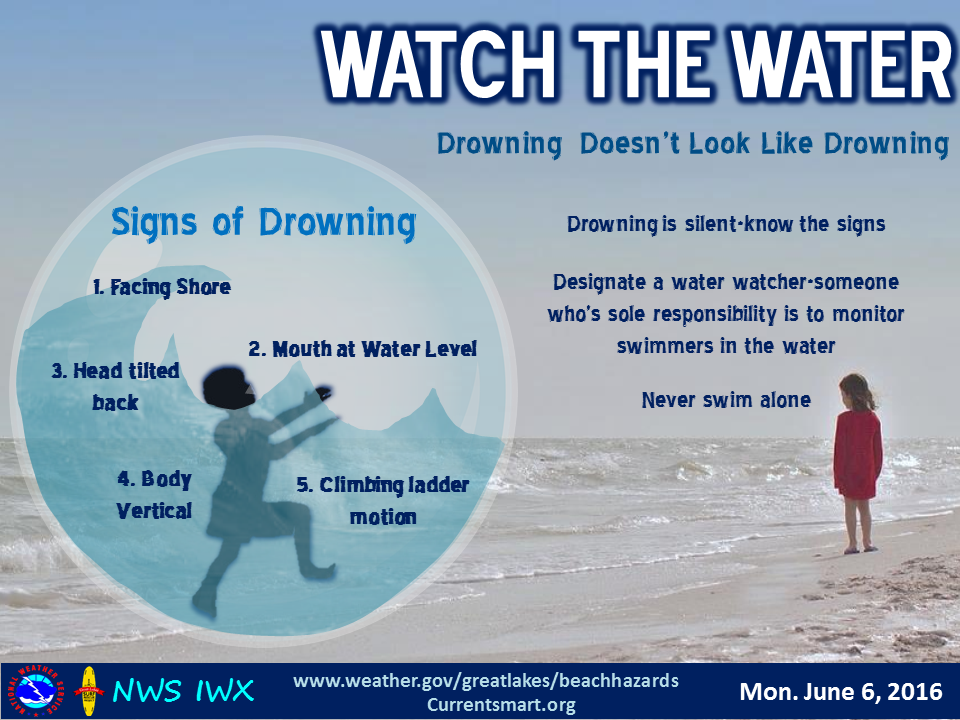
Recognizing a distressed swimmer is paramount for ensuring safety within aquatic environments. Not only can it save a life, but it can also empower individuals to develop a keener sense of awareness and responsiveness to aquatic emergencies. Below, we delve into the behaviors indicative of a swimmer in distress. By understanding these signs, we can cultivate a culture of vigilance and prepare ourselves to assist those in peril. The following behaviors warrant close observation, as they may indicate that a swimmer is grappling with difficulties.
1. Unusual Body Positioning
Swimmers who are struggling often exhibit atypical body postures. While a proficient swimmer maintains a stable and streamlined position in the water, a distressed individual may present with a vertical alignment. This posture, characterized by a lack of swimming motion, may signal that the person is attempting to remain afloat but lacks the energy or ability to do so effectively. Moreover, the swimmer’s head may be tilted back, struggling to keep the face above the waterline, which is an unmistakable harbinger of distress.
2. Ineffective Arm Movement
Observing a swimmer’s arm movements can provide critical insights into their state of well-being. Proficient swimmers typically employ fluid and rhythmic motions; conversely, those in distress may exhibit erratic, frantic gestures, or even prolonged immobility of the arms. These atypical movements can suggest that they are attempting to signal for help instead of propelling themselves through the water. A swimmer who is splashing excessively could be exhibiting panic, which may indicate a dire need for assistance.
3. Facial Expressions and Verbal Cues
Facial expressions can convey a trove of information regarding a swimmer’s state of mind. A distressed swimmer may possess a look of sheer panic or fear, their eyes wide and searching for help, or they may show senses of grim determination as they try to stay afloat. In addition to non-verbal cues, verbal signals such as crying out for help or shouting for assistance are unequivocal indicators of distress. It is critical to remain attuned to these expressions, as they often precede a swimmer’s inability to cope more directly.
4. Extended Duration Underwater
While many experienced swimmers are capable of holding their breath for extended periods, a lengthy absence from the water’s surface should raise alarms. An individual who has remained submerged beyond the usual span may be experiencing challenges in resurfacing. Lifeguards and vigilant bystanders should maintain a steadfast watch for unusual patterns regarding how long an individual spends beneath the water. Any swimmer who fails to resurface within anticipated timelines deserves immediate attention.
5. Orientation Issues
A swimmer who appears disoriented or confused is often in a precarious situation. Signs of distress may include struggling to navigate toward safety, appearing to swim in circles, or exhibiting an inability to make progress despite visible effort. Such spatial disorientation can signify exhaustion or overwhelm, both of which necessitate immediate intervention from onlookers or lifeguards.
6. Presence of Physical Exhaustion
Physical fatigue manifests itself in several ways. A swimmer experiencing exhaustion may begin to slow their movements, exhibit an inability to keep their head above water, or even stop swimming altogether. An onlooker may notice lagging movements, much like a car sputtering before it stalls. This indicator is particularly critical as it often precedes more dire physical ramifications, including submersion or panic attacks.
7. The Lifeguard Row or Safety Signal
Certain aquatic environments employ signal systems to alert lifeguards regarding distress situations. If a swimmer waves their arms above their head in a panic-driven ‘SOS’ fashion or displays an urgent gesture, it may denote an immediate need for rescue. Such gestures are universally understood as calls for help, and witnessing one should prompt swift action from trained personnel or active bystanders.
8. Lack of Assistance from Nearby Swimmers
In many cases, the presence of other swimmers can provide reassurance and aid. If an individual is struggling but remains isolated from others, it may amplify their peril. An absence of interaction with fellow swimmers—who may be unaware of their difficulty or unable to provide assistance—can compound a distressed swimmer’s anxiety. Their apparent isolation becomes a telltale sign that they may be in need of urgent help.
9. Watching Other Swimmers
Curiously, a distressed swimmer often seems preoccupied with observing fellow swimmers rather than engaging in their own activities. Such behavior may signal an attempt to locate potential sources of help or an awareness of their limitations compared to others. It can manifest in a vacant stare, seemingly disconnected from the immediate surroundings, suggesting an internal struggle that has shifted focus away from their own safety.
Conclusion
Awareness of these behaviors is vital for maintaining safety in aquatic contexts. The ability to discern signs of distress empowers individuals to take timely action, potentially preventing tragedies before they occur. By fostering a collective understanding and vigilance, we can respond decisively to protect our fellow swimmers. The development of this awareness not only enriches personal knowledge but serves as a foundation for fostering a culture of safety and communal responsibility in our waters. The ocean, while inviting, can be treacherous; it is up to each of us to remain observant and ready to assist when needed.

Leave a comment