

Social networking sites (SNS) have emerged as pivotal platforms for political campaigns, radically transforming the landscape of political communication and engagement. This article delves into the multifaceted ways in which social networking sites aid political campaigns, offering strategic insights and illuminating the diverse types of content that candidates and their teams utilize. By integrating a digitized approach, campaigns can effectively mobilize supporters, disseminate information, and amplify their overall message.
Building a Digital Presence
In today’s digital epoch, establishing a robust online identity is fundamental for political candidates. Social networking sites serve as the cornerstone for this endeavor, allowing candidates to curate their public persona and connect with potential constituents. This presents an opportunity not only to present their political ideologies but also to humanize themselves through personal anecdotes and relatable narratives. By sharing authentic content, candidates can engender trust and rapport within the electorate.
Targeted Audience Engagement
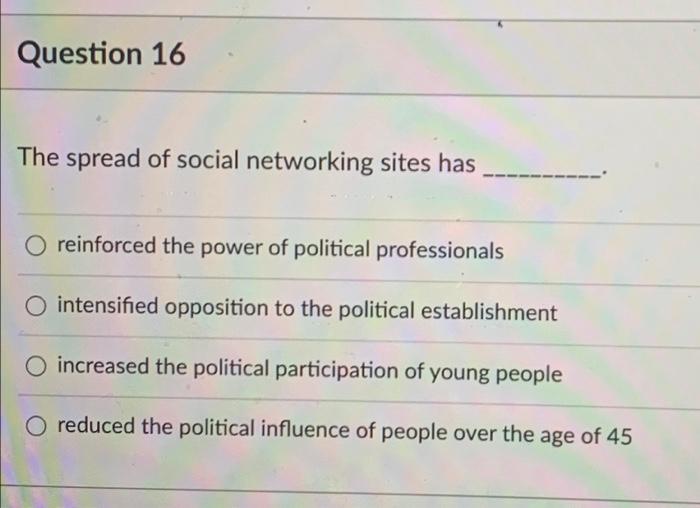
One of the most compelling advantages of leveraging social networking sites is the capacity for meticulous audience segmentation. Campaigns can harness sophisticated algorithms and analytics to identify specific demographics that align with their political platform. This targeted engagement enables campaigns to tailor their messaging, ensuring it resonates profoundly with various segments of the population. For example, a campaign might disseminate content that speaks directly to younger voters on platforms like TikTok or Instagram, having the potential to ignite grassroots movements.
Interactive Content and Real-Time Feedback
Interactivity is the hallmark of social networking sites, facilitating a two-way dialogue between candidates and voters. Campaigns often employ polls, Q&A sessions, and livestreams, encouraging constituents to voice their opinions and engage with candidates directly. This immediacy fosters a sense of community and belonging among supporters, making them feel integral to the campaign’s evolution. The ability to gauge public sentiment in real-time empowers candidates to adapt their strategies dynamically, addressing pressing concerns and adapting message delivery as warranted.
Visual Storytelling
In an era replete with information overload, compelling visual storytelling emerges as an effective means of capturing public attention. Campaigns utilize videos, infographics, and striking imagery to communicate their messages succinctly and memorably. Engaging visuals not only enhance shareability across platforms but also simplify complex policy issues, making them accessible to a broader audience. For instance, short, emotive video clips can elicit emotional responses that resonate deeply, influencing voter perceptions and mobilizing support.
Crisis Management and Perception Shaping
Social networking sites also serve as critical tools for crisis management in political campaigns. The speed at which information circulates can either bolster or undermine a candidate’s credibility. Well-orchestrated responses to controversies or misinformation can mitigate negative impacts, while proactive communication strategies can shape public perception favorably. Rapid, strategic responses via social platforms can dispel rumors and highlight accomplishments at a moment’s notice, thus safeguarding a candidate’s reputation.
Fundraising Campaigns
Another salient feature of social networking sites is their utility in fundraising. Fundraising in modern political campaigns increasingly hinges on digital platforms where campaigns can harness social media to rally financial support. Engaging content, such as crowdfunding videos and targeted appeals, can mobilize small donors more effectively than traditional fundraising events. Additionally, leveraging social media to highlight urgent fundraising goals creates a sense of urgency and encourages immediate action from supporters.
Mobilization of Grassroots Movements
Social networking sites are instrumental in the organization and mobilization of grassroots movements. Candidates and their supporters can initiate and organize events, rallies, and grassroots outreach activities with relative ease, utilizing platforms to disseminate critical information rapidly. The ability to galvanize individuals around shared causes fosters a spirit of activism and collective efficacy. In this way, social media not only amplifies a campaign’s reach but also fosters a shared sense of purpose and urgency among supporters.
Grassroots Event Promotion
Continued engagement through social networking sites allows campaigns to effectively promote grassroots events, such as town halls and meet-and-greets. Event pages, RSVP functionalities, and live updates keep supporters informed and motivated to participate. These activities cultivate a vibrant community around a candidate, reinforcing connections both online and offline. The sense of excitement that social media can generate leading up to events proliferates enthusiasm and commitment among supporters.
Strategic Content Distribution
The dissemination of content via social networking sites requires a nuanced understanding of platform-specific dynamics. Each social networking platform comes with its own set of best practices tailored to optimal engagement. Campaigns must master the art of content distribution, employing varied formats—such as tweets, stories, and posts—optimized for each platform. This adaptability ensures the campaign’s message resonates across varied mediums, from succinct soundbites on Twitter to in-depth storytelling on platforms like Facebook.
Data-Driven Insights
Lastly, the integration of data analytics is paramount in shaping future campaign strategies. Social networking sites generate vast repositories of data reflecting user behaviors and preferences. Campaigns can analyze engagement metrics to refine their messaging and optimize outreach efforts, leveraging insights to enhance voter persuasion tactics. Data-driven decision-making empowers campaigns to allocate resources judiciously and strategize effectively according to evolving electoral dynamics.
In conclusion, social networking sites provide an expansive, dynamic toolkit for political campaigns, offering strategies conducive to significant engagement, personalized resonance, and tactical responsiveness. The digital landscape heralds a shift toward more inclusive and interactive political participation, enhancing the potential for democratic engagement and informed voter decision-making. The myriad content types and strategies available render social networking sites indispensable in modern political campaigning.

Leave a comment