

In the intricate tapestry of biology, the question often arises, “Which biomolecule serves as a quick source of energy?” This query, albeit simple in its phrasing, opens a panorama of insights into the foundational structures that sustain life. As we delve into this topic, consider this playful challenge: Could you guess which biomolecule stands at the forefront of immediate energy provision before we unfold the layers of complexity? As we explore the answer, we will unveil the pivotal roles played by carbohydrates, lipids, and proteins in energy metabolism.
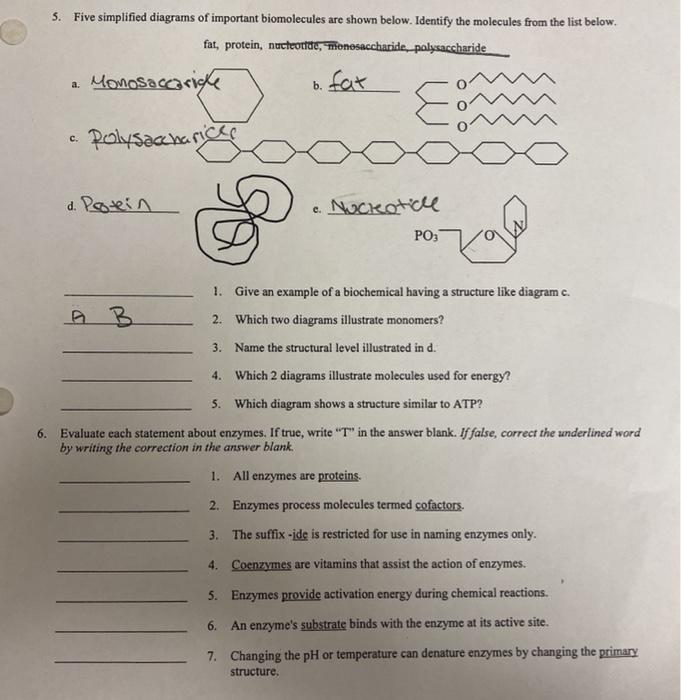
Carbohydrates are the stars of the quick-energy show. Comprising saccharides, these biomolecules are readily metabolized to generate energy faster than any other compound. When one consumes carbohydrates, they are broken down into glucose, a monosaccharide that enters cellular respiration, yielding adenosine triphosphate (ATP), the energy currency of the cell. This rapid conversion process offers an immediate source of energy, making carbohydrates the preferred choice for athletes or anyone in need of a swift energy boost.
The structure of carbohydrates can help illuminate their functionality. They can be categorized into simple and complex carbohydrates. Simple carbohydrates, often found in sugars such as glucose and fructose, are comprised of one or two sugar units. Their structure allows for quick absorption into the bloodstream, providing an immediate spike in blood sugar levels. On the other hand, complex carbohydrates, such as starches and fibers, consist of longer chains of sugar molecules. While their breakdown is slower, they provide sustained energy over time, essential for endurance activities.
To understand the challenges posed by carbohydrate consumption, one must consider the context of use. For instance, in contrast to the rapid energy release from simple carbohydrates, the metabolic response might lag when complex carbohydrates are ingested with minimal physical activity. The energy derived may not be utilized effectively, potentially leading to storage in the form of fat. Consequently, this raises the question: at what point do we pivot our intake depending on our energy needs? The magic lies in knowing your body’s rhythm.
Moving beyond carbohydrates, we must face the robust contenders in the energy arena: lipids. Often vilified in dietary conversations, lipids, specifically triglycerides, are a concentrated source of energy, providing more than twice the energy per gram compared to carbohydrates. However, the metabolic pathways involved in the oxidation of fats are significantly more intricate and slow to initiate than those of carbohydrates. They serve as an excellent source of energy during prolonged periods of exercise when carbohydrate reserves are depleted.
The role of proteins in energy provision adds another dimension to this discussion. Proteins are primarily the building blocks for tissues and enzymes, yet under conditions of energy deficit, they can be catabolized for energy. The process is not as efficient as carbohydrate metabolism and is often reserved for starvation states or extreme exertion when glycogen stores are depleted. This illustrates the body’s remarkable adaptability but also stresses the declining efficiency of protein as an energy source when comfort food carbohydrates are readily available.
One might ponder the metabolic challenges associated with these biomolecules. For instance, how do we adequately balance carbohydrate intake with activity levels? Carbohydrates can be likened to a quick-drying ink—ideal for rapid setups but also prone to spilling over if improperly managed. The complexity arises in choosing the right form—whole grains versus refined sugars—further emphasizing the need for informed nutritional decisions.
Moreover, integrating lipids into dietary energy strategies necessitates a nuanced understanding of their types. Not all fats are created equal; unsaturated fats, found in sources such as olive oil and avocados, present health benefits when consumed in moderation while contributing to overall energy intake. In contrast, the trans fats found in many processed foods offer dubious benefits, emphasizing the need for vigilance in dietary choices.
Thus, in the dialogue surrounding energy biomass, carbohydrates emerge as the premium option for quick energy deployment in everyday activities and high-intensity exercise. However, the narrative does not end with carbohydrates, as lipids and proteins play indispensable roles in broader energy metabolism. Their contributions to sustained energy levels and survival mechanisms need consideration, underscoring the synergy among these biomolecules.
As we conclude, one must consider the physiological ramifications of our choices. A surfeit of quick-release carbohydrates may lead to energy crashes, while a deficit can render one sluggish and unfocused. Therefore, the challenge is clear: can you create a balanced energy plan that incorporates a precise ratio of carbohydrates, fats, and proteins? The pursuit of such balance invites a reward— optimal health and sustained vitality.
In summary, carbohydrates indisputably serve as the quick source of energy in the biological realm. However, embracing the multifaceted nature of lipids and proteins as they intertwine with broader energy needs reveals a comprehensive perspective on our dietary engagements. With knowledge comes empowerment— the ability to make informed decisions in the quest for optimal energy. The interplay of these biomolecules is not merely an academic exercise but a real-world application in our daily lives.

Leave a comment