

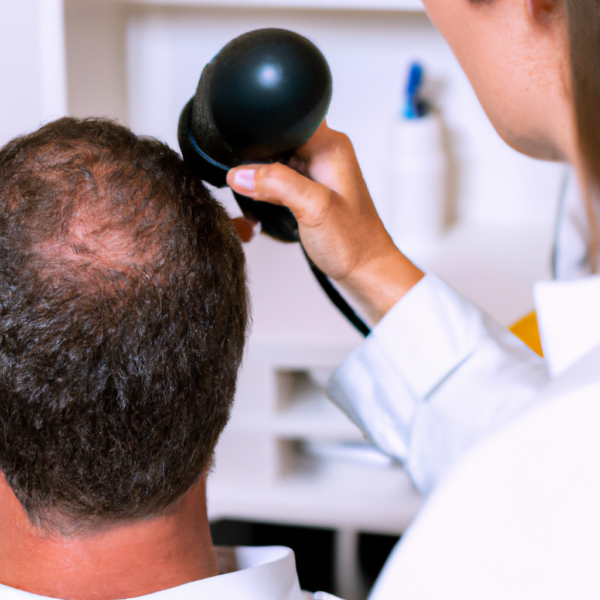
Hair loss can be a perplexing condition that affects individuals of all ages and genders. Are you one of the many who finds themselves pondering the complexities of thinning hair? If so, you might be encountering more than just an aesthetic issue; hair loss can sometimes be a manifestation of underlying health concerns. So, which blood tests are essential for a comprehensive medical diagnosis of hair loss? Delving into this query is crucial for those seeking clarity and effective solutions. This article provides an extensive overview of the various blood tests that could illuminate the reasons behind hair loss.
Before we embark on this investigative journey through the labyrinth of medical diagnostics, it is prudent to recognize that hair loss can result from a myriad of factors, including genetic predisposition, hormonal imbalances, nutrient deficiencies, and autoimmune diseases. Each potential root cause necessitates a specific investigative approach, most commonly initiated by blood testing.
1. Understanding the Anatomy of Hair Loss
Hair loss, medically termed alopecia, can present in various forms, ranging from male and female pattern baldness to scarring alopecia. Regardless of its presentation, the diagnosis typically commences with a thorough evaluation. A healthcare provider may suggest several blood tests to rule out potential systemic disorders contributing to hair insurance.
2. The Role of Blood Tests in Hair Loss Diagnosis
Blood tests are indispensable in determining the underlying causes of hair loss. They provide insights into the body’s biochemical environment and can reveal much about hormonal levels, nutrient deficiencies, and inflammatory markers. Here are the key blood tests that are often recommended:
3. Thyroid Function Tests
The thyroid gland plays a pivotal role in regulating metabolism and energy levels, and its imbalance can lead to various issues, including hair loss. Thyroid function tests (TFTs) typically measure levels of Thyroid Stimulating Hormone (TSH), Free T4, and sometimes Free T3. Elevated TSH levels may indicate hypothyroidism, while low TSH levels could suggest hyperthyroidism. Both scenarios can adversely affect hair growth and lead to alterations in hair texture.
4. Comprehensive Metabolic Panel (CMP)
A CMP evaluates key metabolic functions and provides a broad overview of your body’s chemical balance. It assesses glucose levels, electrolytes, and kidney and liver functions. Disruptions in these areas can influence hair health. For instance, abnormalities in liver enzymes can hint at systemic conditions that might contribute to hair loss.
5. Hemoglobin and Iron Studies
Iron deficiency anemia is a frequently overlooked cause of hair loss. The assessment of hemoglobin levels, along with ferritin (stored iron), serum iron, and Total Iron Binding Capacity (TIBC), provides essential data. Ferritin levels, in particular, are critical as they indicate the body’s iron stores. A low ferritin level can lead to hair weakening and eventual shedding. It is worth noting that women, who often experience menstruation-related blood loss, are at a higher risk of iron deficiency.
6. Vitamin D Levels
Vitamin D has garnered much attention in recent years for its potential role in hair follicle cycling. Deficiencies in this vital nutrient have been linked to a form of hair loss known as alopecia areata. Assessing serum 25-hydroxyvitamin D levels can assist in identifying deficiencies that may be addressed through supplementation or dietary changes.
7. Hormonal Evaluations: Testosterone and Dihydrotestosterone
For individuals experiencing androgenetic alopecia, hormonal evaluations are critical. Measuring serum testosterone and dihydrotestosterone (DHT) levels can provide insights into the hormonal milieu affecting hair follicles. Elevated DHT levels, in particular, have been implicated in the miniaturization of hair follicles, leading to thinner strands and increased shedding.
8. Autoimmune Markers
In cases where autoimmune conditions are suspected—such as lupus or thyroiditis—specific autoantibody tests may be warranted. Antinuclear antibodies (ANA) and thyroid peroxidase antibodies (TPO) tests serve as indicators of potential autoimmune responses that could negatively impact hair health. A positive result might necessitate further investigation into systemic lupus erythematosus or Hashimoto’s thyroiditis.
9. The Importance of Consulting a Healthcare Professional
Given the complex interplay between various bodily systems, it is crucial to consult a healthcare provider when experiencing significant hair loss. An integrative approach that encompasses both medical history and blood testing can provide a tailored treatment plan. Additionally, it is essential to remember that hair loss can sometimes be multifactorial, requiring a combination of tests to arrive at an accurate diagnosis.
10. Conclusion: A Step Towards Resolution
In conclusion, addressing hair loss through blood testing is an essential step in elucidating the potential underlying causes. Whether it’s examining thyroid function, assessing iron levels, or evaluating hormonal profiles, each test plays a crucial role in constructing a comprehensive portrait of an individual’s health. By navigating this intricate maze of potential diagnostic avenues, one can emerge better equipped to tackle the challenge of hair loss. The journey of self-discovery in understanding one’s body is indeed multifaceted, yet every test taken is a step toward recovery and resilience.

Leave a comment