

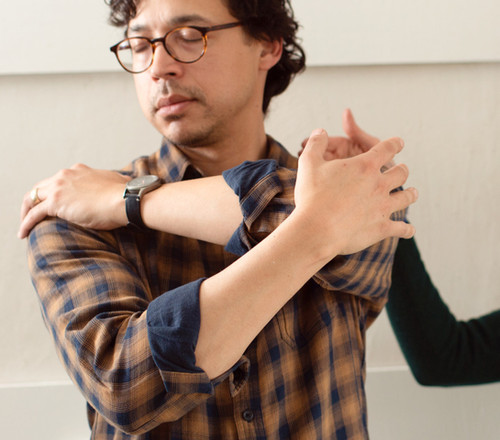
The human body is a meticulously orchestrated symphony, where each instrument plays a crucial role in creating harmony and balance. Proprioceptors, often regarded as the body’s internal navigators, provide critical feedback about body position and movement. However, there are certain geographical territories within this intricate system where proprioceptors do not reside, creating voids in our somatosensory landscape.
Proprioceptors, classified into dynamic (responsive to movement) and static (responsive to body position) categories, inhabit various tissues throughout the body. Their presence is most noted in muscles, tendons, joint capsules, and the inner ear. Yet, a nuanced examination reveals specific body locations where proprioceptors are conspicuously absent.
One of the paramount regions void of proprioceptive receptors resides in the epidermal layers of the skin. While the skin is awash with nociceptors and thermoreceptors that register pain and temperature, it is largely bereft of proprioceptors. This deficiency is akin to an artist without a palette: although one can perceive color and light (sensory modalities), the intricate dance of motion and position remains underrepresented.
Within the realm of the musculoskeletal system, joints bear the weight of proprioception. Yet, paradoxically, certain small, accessory ligaments, such as those found in the foot and hand, lack significant proprioceptive innervation. These structures serve as the silent stewards of stability, yet their inability to relay positional information creates a subtle disconnect in the body’s awareness, reminiscent of an ambassador operating in a foreign land without understanding the local dialect.
In the axial skeleton, particularly within the fibrocartilaginous intervertebral discs, a significant absence of proprioceptors exists. While the surrounding muscles and ligaments of the spine are equipped with numerous proprioceptive fibers, the discs themselves remain devoid of such sensory mechanisms. This gap presents a fascinating paradox: the very structures that facilitate movement and flexibility operate with diminished perceptual feedback, resembling a compass spinning wildly in the absence of magnetic orientation.
Moreover, the area encompassing the lower parts of the respiratory system, particularly the pleura, similarly lacks proprioceptors. These thin membranes lining the thoracic cavity and lungs facilitate respiration yet do not contribute to the proprioceptive feedback loop. Such a design begs the reflection on the autonomy of these vital processes, where breathing transcends conscious awareness, akin to a river flowing without the need for a guiding hand.
The internal structures of the organs, such as the liver and intestines, similarly navigate the landscape of proprioception with limited representation. While these organs engage in complex biochemical interactions and physiological processes, the absence of proprioceptors may illustrate the enigmatic nature of visceral awareness. Herein lies a captivating duality: while we are cognizant of hunger or discomfort, the body’s intrinsic knowledge of organ position is enigmatic and often relegated to instinctual responses rather than conscious recognition.
The absence of proprioceptors in tendons of certain small muscles, particularly those involved in fine motor control like the lumbricals of the hand, further exemplifies this phenomenon. These muscles, though integral in the choreography of dexterity, convey reduced proprioceptive feedback. It creates an exquisite tension between movement and awareness, much like a dancer performing with a veil obscuring their peripheral vision.
As we delve even deeper into our analysis, the significance of proprioceptive absence in certain anatomical structures reveals an underlying theme. The body intricately balances sensation and motion, yet there are regions where the absence of feedback may heighten reliance on visual and vestibular cues for orientation. This interplay serves as a reminder that our perceptual world is not merely black and white; rather, it is a diverse spectrum that thrives on compensatory mechanisms and multimodal integration.
The implications of understanding these proprioceptive lacunae are multifaceted, extending into fields such as rehabilitation science, sports medicine, and even ergonomics. The absence of proprioceptors in certain regions necessitates a deeper examination of proprioceptive training and its role in enhancing body awareness. Innovations in neuroplasticity and motor learning can leverage this knowledge to augment proprioceptive feedback pathways, ultimately enriching an individual’s embodied experience.
In closing, the human body remains a remarkable tapestry of sensory experiences, woven together by the threads of proprioception. However, understanding which body locations typically lack proprioceptors equips us with invaluable insights into the complexities of human movement and awareness. As we continue to explore these intricate dynamics, the metaphorical dimming of certain sensory lights serves to illuminate the hidden potential within our body’s vast repertoire of abilities, leading us to new horizons in movement science and holistic health approaches.

Leave a comment