

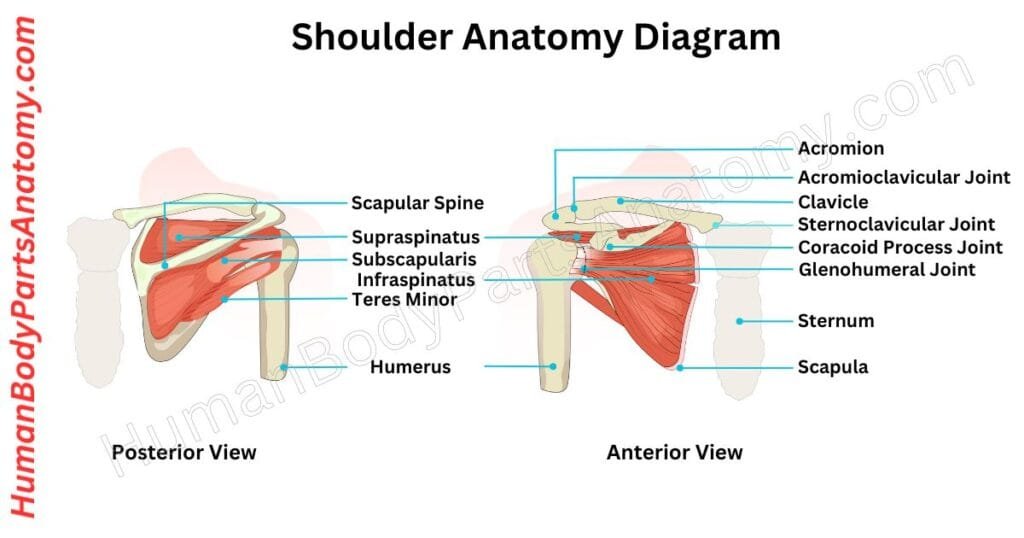
Understanding anatomical direction terms is critical in the field of human anatomy. “Distal” is one such term that refers to a position further from the body’s trunk or point of attachment. When exploring which body parts are considered distal to the shoulder, it is essential to comprehend the intricate anatomical framework and the various regions of the upper limb.
Anatomical Direction Terms Explained
Anatomical direction terms serve as a standard language for healthcare professionals, enabling precise communication regarding body locations. In this framework, “proximal” is used to describe parts closer to the trunk, while “distal” indicates parts that are further away. Furthermore, terms like “medial” (toward the midline of the body) and “lateral” (away from the midline) also enhance clarity in anatomical descriptions.
The Upper Limb: A Systematic Overview
The shoulder serves as a crucial point of articulation between the upper limb and the trunk. It comprises several structures, including the scapula, clavicle, and humerus. The upper limb can be hierarchically divided into distinctive segments: the arm (brachium), forearm (antebrachium), and hand (manus). Each segment consists of various joints and bones that play pivotal roles in function and mobility.
Identifying Distal Body Parts
To ascertain which body parts are distal to the shoulder, we begin our analysis at the shoulder joint where the humerus connects from the scapula. Moving away from the shoulder, the anatomical segments proceeding distally include:
- The Humerus: While the humerus is proximal to the elbow, it serves as the connecting bone from the shoulder to the distal points of the arm.
- The Elbow (Cubitus): The elbow serves as a hinge joint that facilitates flexion and extension of the forearm in relation to the upper arm. Anatomically, it is considered distal to the shoulder.
- The Forearm (Antebrachium): This segment consists of the radius and ulna. The forearm extends from the elbow to the wrist and is entirely distal to the shoulder joint.
- The Wrist (Carpus): Composed of eight carpal bones, the wrist connects the forearm to the hand, making it another structure that is distal to the shoulder.
- The Hand (Manus): This includes the palm (palmar) and the fingers (digits). The hand is the most distal structure in relation to the shoulder in the upper limb anatomy.
Sequential Proximity: A Detailed Visualization
Creating a visual hierarchy of the upper limb can be immensely beneficial for students and professionals alike. The proximal-distal relationship can be illustrated as follows:
- Shoulder
- Humerus
- Elbow
- Forearm (Radius and Ulna)
- Wrist
- Hand
This simplistic enumeration typifies the progression of body parts from proximal shoulder regions to the most distal endpoints of the hand.
Clinical Significance of Distal Anatomy
Recognizing which body parts are distal to the shoulder has crucial implications in clinical diagnosis and physical therapy. For instance:
- Injury Assessment: Understanding the position of distal body parts assists healthcare professionals in evaluating trauma to the upper limb, such as fractures or dislocations.
- Rehabilitation Protocols: Knowledge of the anatomy facilitates the design of targeted rehabilitation exercises aimed at restoring function to distal parts following injury or surgery.
- Assessment of Blood Circulation: Clinicians may conduct assessments of arterial flow from the shoulder down to the fingers, which is essential for diagnosing vascular issues.
- Neurological Examination: Distal body parts are vital for neurological examinations, as signs of nerve damage may present distally first, highlighting the importance of understanding this relationship.
Conclusion: The Importance of Contextual Understanding
In summary, understanding anatomical direction terms is essential for anyone studying human anatomy. The term “distal” specifically denotes structures that lie further from the trunk, with specific application to the shoulder area when identifying the elbow, forearm, wrist, and hand as distal components of the upper limb. This knowledge serves as a cornerstone for effective communication within medical contexts, ensuring that practitioners can convey precise information regarding anatomical relationships and clinical conditions. Mastering these distinctions facilitates optimal health care delivery and enhances patient outcomes. The intricacies of the human body thus reveal not just a remarkable design but emphasize the necessity of comprehensive knowledge in anatomical terminology.

Leave a comment