

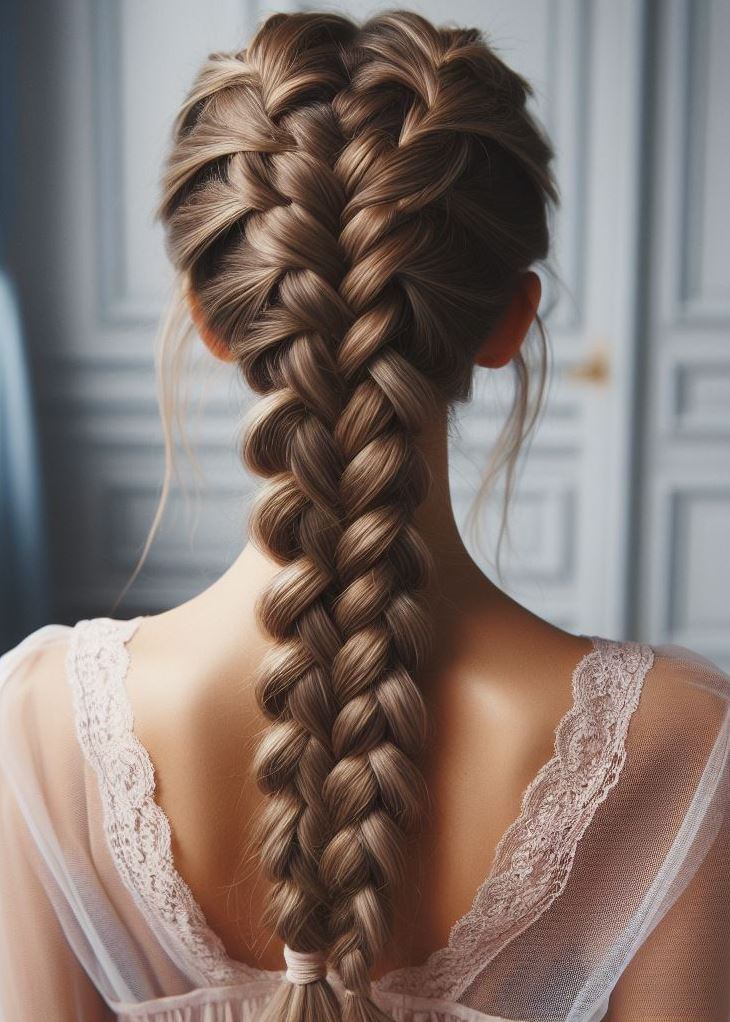
When considering protective hairstyles, one may ponder: which braids truly endure the test of time? In a world where trends ebb and flow akin to shifting tides, selecting a braid style that not only elevates aesthetic appeal but also maintains longevity can pose a significant challenge. This guide delves into various braid techniques, materials, and maintenance tips to ascertain which braids hold up the best over extended periods.
Protective hairstyles are paramount for preserving the health of natural hair, but the longevity of these styles can greatly vary. The quest to identify which braids last the longest reveals a myriad of factors, including the type of braid, the technique employed, and the hair’s condition prior to styling. Understanding these elements can greatly enhance one’s ability to choose an enduring braid style.
1. Types of Braids and Their Durability
To establish a foundational understanding, it is essential to explore the various types of braids available, each possessing distinct characteristics that influence durability.
- Box Braids: Known for their versatility and protective capabilities, box braids can last anywhere from six to eight weeks if properly maintained. Their volumetric nature allows for the addition of synthetic hair, thereby fortifying the braids against frizz and unraveling.
- Passion Twists: These braids offer a more textured look while providing ample protection. Typically lasting four to six weeks, their forgiving nature allows for a relaxed style; however, the intricate twisting technique means they may require more frequent touch-ups to maintain aesthetics.
- Knotless Braids: Emerging as a preferred choice, knotless braids are lauded for their low-tension technique that encompasses the natural hair, thereby reducing stress on the scalp. Their longevity parallels that of box braids, often extending up to eight weeks.
- Feed-In Braids: These are designed to incorporate additional hair gradually, creating a seamless look. When executed with precision, feed-in braids can remain intact for several weeks, although maintenance is crucial to resist the appearance of fraying.
2. The Role of Hair Preparation
Before constructing any braid style, the health and preparation of the hair are vital. Engaging in a comprehensive pre-braid routine sets the stage for longevity.
- Moisturization: Hydrating the hair ensures that it remains pliable during the braiding process. A well-moistened mane will resist breakage and maintain its structure longer than dry hair.
- Detangling: Thorough detangling is imperative. Knots and tangles can lead to uneven tension, which may cause fraying or breakage.
- Protective Treatments: Applying oils or serums designed for protective styles can create a barrier against external elements, thus enhancing durability.
3. Maintenance Practices
Once the braids are in place, the quest for longevity continues through diligent maintenance practices.
- Regular Washing: While braids offer protection from daily manipulation, maintaining scalp cleanliness is essential. Using a diluted shampoo ensures that buildup does not compromise the integrity of the style.
- Night Care: Utilizing a satin or silk scarf can drastically improve the longevity of braids. Unlike cotton, which absorbs moisture, these fabrics help retain hydration and minimize friction during sleep.
- Moisture Replenishment: Continuously hydrating the scalp and braids ensures that they remain supple, thus reducing the chances of brittleness and breakage.
4. Environmental Considerations
The elements play a pivotal role in determining braid longevity. Humidity, UV exposure, and pollution can all adversely affect the durability of braids.
- Humidity: Excess moisture can cause frizz, leading to a shaggier appearance of braids. Using anti-humidity sprays can help maintain style integrity.
- Sun Protection: UV rays can weaken hair structure over time. Wearing hats or using UV protectants can shield braids from sun damage.
- Pollution Shields: In urban environments, pollutants can accumulate in hairstyles. Frequent cleansing routines can mitigate this issue, prolonging the life of braids.
5. Evaluating Your Lifestyle
Considering personal lifestyle choices is crucial in the decision-making process regarding the types of braids to choose. Individuals engaged in active lifestyles may require styles that offer maximum security and durability.
- Exercise Routine: If sweat and physical activity frequently characterize your day, opt for tighter, secure styles such as box braids, which are less likely to loosen over time.
- Occupational Considerations: For those in environments exposing hair to excessive elements, protective styles that demand minimal interaction and upkeep can be advantageous.
Ultimately, the question of which braids last the longest possesses many nuanced answers. By understanding the different types, maintenance practices, and environmental influences at play, one can make informed decisions that enhance both hair health and style longevity. Each braid tells a story, one of resilience and beauty that can flourish when treated with care and respect. A bit of wisdom prevails: the best braid for longevity is one that harmoniously merges individual style with diligent upkeep. So, what will your next protective hairstyle be?

Leave a comment