

When it comes to car maintenance, the intricacies of brake systems often elude even the most seasoned automotive enthusiasts. One question that frequently arises in discussions about brake system upkeep is: “Which brake pad goes on the outside?” This seemingly straightforward inquiry unveils layers of specialization and consideration that merit an in-depth exploration.
The brake system comprises multiple components, each with a specific role to play. At the heart of this mechanism are the brake pads, which create the necessary friction to slow or halt your vehicle. However, choosing the correct brake pad for installation is not merely an exercise in semantics; it requires an understanding of the distinctions between the inner and outer pads, along with their functional profiles.
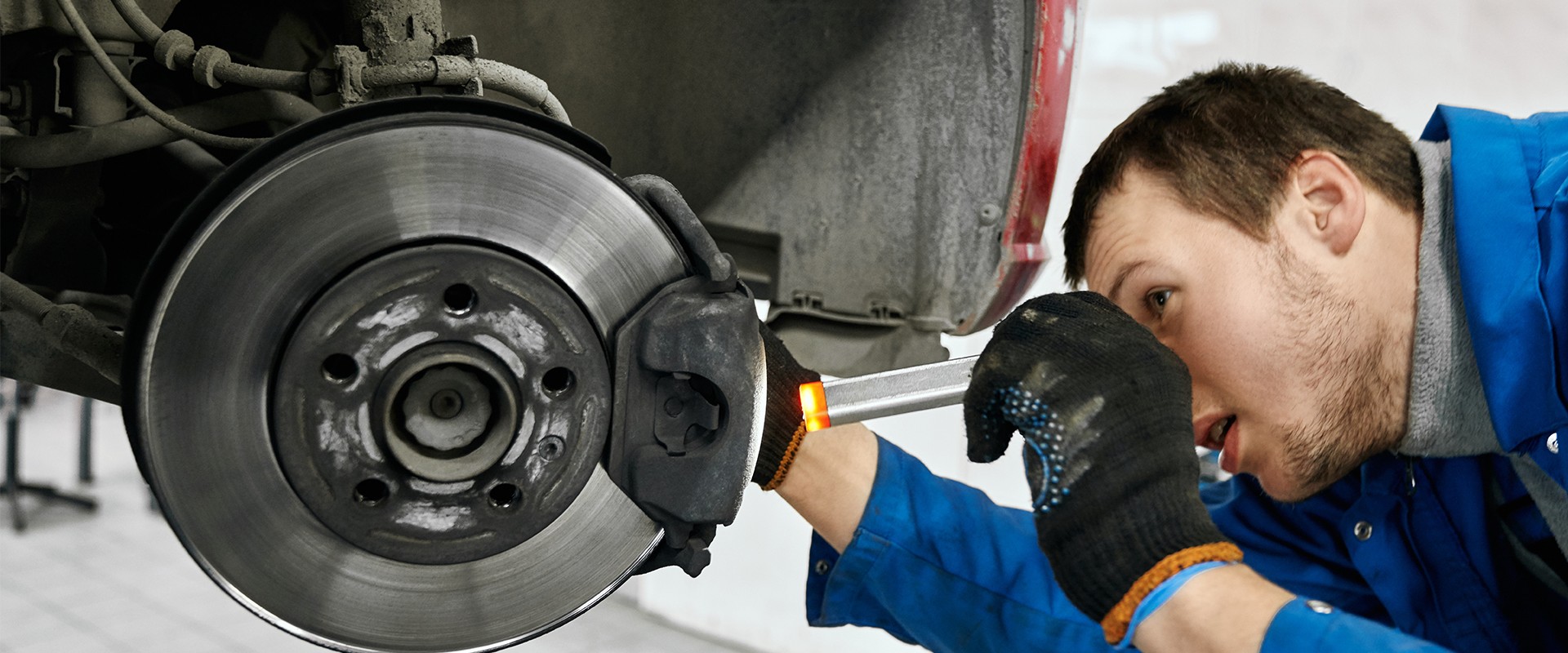
To grasp which brake pad belongs on the outside, one must first understand the anatomy of a brake caliper. The caliper houses the brake pads and squeezes them against the brake rotor when you engage the brakes. Typically, a disc braking system employs two types of pads: inner and outer. The outer brake pads face the front wheels, while the inner pads are positioned on the reverse side, closer to the vehicle’s chassis.
What gives rise to the differentiation between the inner and outer pads? Primarily, it lies in their design and the diverse demands placed upon them. Outer pads typically endure more stress during braking due to lateral forces exerted during cornering. This can lead to faster wear and requires more frequent inspection and possible replacement.
Examining the materials used in brake pads provides further insight into their performance nuances. Brake pads are commonly composed of organic, semi-metallic, or ceramic materials, each delivering unique frictional properties and heat resistance. Organic pads, often quieter and gentler on rotors, may not withstand intense heat as effectively as their metallic counterparts. On the other hand, semi-metallic and ceramic pads are engineered for high performance, commonly used in performance vehicles due to their enhanced durability and heat dissipation capabilities.
When considering which brake pad to install on the outer side of your vehicle, it’s crucial to account for these characteristics. If your driving habits include aggressive cornering or frequent stop-and-go traffic, opting for high-performance pads is advisable. Conversely, if your daily driving is primarily highway cruising with minimal performance demands, organic or standard semi-metallic pads may suffice.
Installation does not traverse a one-size-fits-all paradigm. Car manufacturers may specify certain pads based on vehicle dynamics and braking requirements. Therefore, consulting the vehicle’s service manual is paramount. It serves as an authoritative source, detailing the optimal type of brake pad for both the inner and outer positions, ensuring compatibility with the overall braking system.
Beyond the brake pads themselves, achieving a correctly calibrated braking system necessitates a holistic approach—this includes the evaluation of rotors, calipers, and hydraulic components. Deterioration in any of these elements can compromise the efficacy of the brake system, leading to uneven wear on the pads themselves. Hence, while the focus may initially be on the question of “which pad goes where,” the conversation should evolve to encompass the full spectrum of brake system maintenance.
Moreover, environmental factors can affect the lifespan and performance of brake pads. For instance, regions with more inclement weather may require specialized pads capable of resisting moisture and corrosion. Similarly, terrain plays a significant role; hilly or mountainous areas often necessitate sturdier pads to manage the additional load they impose on the braking system. The outer pads in such scenarios may require more frequent monitoring compared to their inner counterparts.
Upgrading to premium or performance-grade pads can also transform your driving experience. Not only do quality brake pads enhance stopping power, but they also contribute to a proportional distribution of stress across the braking system. This mitigates the likelihood of brake fade—a condition wherein brakes overheat and lose effectiveness—a risk amplified in high-demand driving scenarios.
Another critical aspect is ensuring proper bedding-in or break-in procedures when installing new brake pads. This vital step allows the pads and rotors to acclimate to one another, fostering a transfer layer that optimizes friction. Failing to adhere to bedding-in protocols could result in suboptimal braking performance or premature wear, particularly in high-performance setups. Thus, the question of “which pad to install where” transforms into a tapestry of considerations that encompass material selection, driving behavior, environmental conditions, routine maintenance, and installation techniques.
In summation, the inquiry regarding which brake pad belongs on the outside serves as an entry point into a realm of automotive knowledge enriched by the interplay of component functionality, material science, and the art of vehicle maintenance. The nuances of brake pads—whether inner or outer—demand a thoughtful approach that integrates specifications, performance expectations, and the broader ecosystem of the brake system.
By investing time to understand these subtleties, car owners not only enhance the safety and efficacy of their vehicular experiences but also engage in an ongoing dialogue about the intricacies of automotive care that is both enlightening and empowering.

Leave a comment