

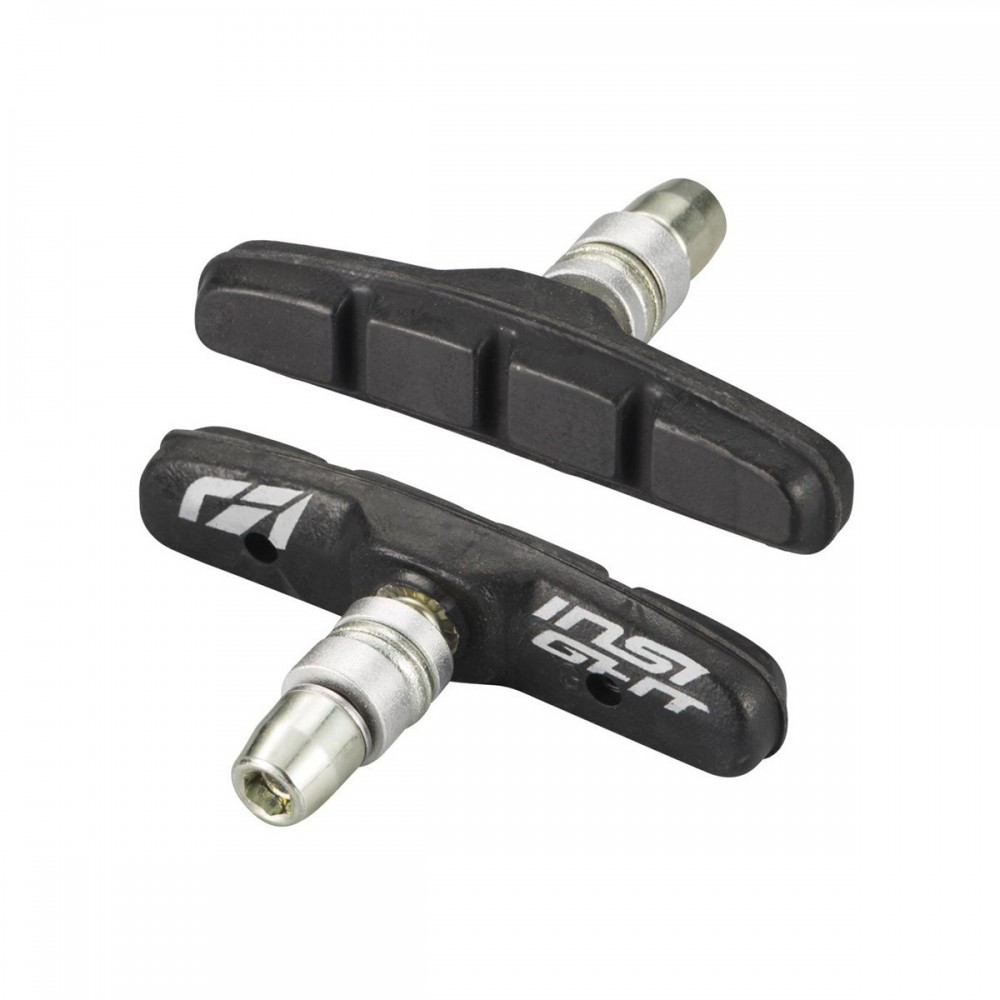
When exploring the intricacies of automotive maintenance, one might liken brake pads to the unsung heroes of vehicular performance. Just as the tempestuous waves caress the shore only to recede, so too do brake pads insidiously wear, often with little notice until their vital capabilities are diminished. To understand which brake pads succumb to wear first, one must first delve into the mechanics of friction, composition, and driving behaviors that heavily influence their durability.
At the core, brake pads are the frontline defenders against the kinetic energy of a moving vehicle. Each application of the brake pedal transforms this energy into thermal energy, dissipating it through the vigorous friction with the brake rotor. This elemental force of nature mandates that all brake pads will inevitably wear down, yet certain factors dictate the order and pace of their decline.
Brake pads come in various compositions, primarily categorized into organic, semi-metallic, and ceramic types. Each type possesses unique characteristics that affect their longevity. For instance, organic brake pads, crafted from materials such as rubber, resins, and various fibers, offer quiet operation and are less abrasive but are more prone to wear under certain driving conditions. In contrast, semi-metallic pads—blended with copper, steel, or iron—provide superior heat dissipation and performance but at the cost of increased rotor wear. Ceramic pads, often regarded as the middle ground, mitigate noise and produce less dust while offering commendable longevity.
In contemplating which brake pads wear out first, one must consider the driving environment and habits. Urban landscapes, with their ceaseless stop-and-go traffic, do more than impede the flow of the daily commute—they are veritable crucibles for brake pad wear. Frequent braking from high speeds in congested areas exerts considerable strain, particularly on organic brake pads, as they are less equipped to withstand repeated thermal cycling. These pads may begin to exhibit signs of wear markedly sooner than their semi-metallic counterparts.
The driving style of the operator also significantly influences which pads wear out first. Aggressive driving, characterized by rapid acceleration and abrupt halting, demands more from the brake system, effectively hastening the degradation of brake pads. Operators who possess a propensity to ride the brakes—applying pressure without fully engaging them—can exacerbate the wear process further, leading to premature pad replacement.
Conversely, the meticulous operator who practices smooth acceleration and deceleration may find their ceramic pads outlasting others, instigating a prolonged lifespan relative to urban driving conditions. This “gentle touch” not only elongates the durability of the brake pads themselves but also preserves the integrity of the rotors, resulting in a more harmonious relationship between the two components.
Adverse weather conditions introduce additional variables into the equation. Rain, snow, and ice affect braking efficiency and can lead to uneven pad wear. In colder climates, brake pads might experience a transformative effect from temperature fluctuations, which can amplify wear rates. Moisture on the rotors can create a film that temporarily reduces friction, causing drivers to press harder on the brakes, ultimately resulting in increased wear on certain types of pads—especially organic ones. Moreover, exotic materials found in specific brake pads may react unfavorably under such conditions, further influencing longevity.
Another pertinent consideration is the quality of the brake pad manufactured. Premium brands often utilize advanced engineering techniques and higher-quality materials, leading to superior longevity. In contrast, budget-friendly options may compromise performance at the altar of affordability, often resulting in accelerated wear patterns. Thus, investing in higher-quality components stands as a prudent measure to mitigate premature wear.
Mechanics often advocate for regular inspections as a cornerstone of brake maintenance. Recognizing the signs of wear—squeaking, grinding noises, or a pulsating brake pedal—can preempt catastrophic brake failure. When pads wear unevenly, a condition that might arise from misalignment or failure of accompanying brake components, it signals a desynchronized ballet that can curtail the efficiency and safety of the entire braking system.
Ultimately, when one ponders which brake pads wear out first, the confluence of driving style, environmental factors, and material quality emerges as the principal architects of pad longevity. Urban driving demands will yield shorter lifespans for organic pads, while aggressive driving styles stress all varieties. The careful selection of materials, mindful driving approaches, and routine maintenance can forge a path to not only prolonging the life of brake pads but ensuring the safety of the journey ahead.
In conclusion, the enigmatic dialogue between car and driver is essential in deciphering the wear of brake pads. Navigating through the mechanics of friction, composition, and personal habits can illuminate the hitherto opaque realm of brake maintenance. As the brake pads slowly yield to the rigors of daily life, their story of wear becomes a testament to the relationship between man, machine, and the road. By fostering a deeper understanding of these elements, a driver is empowered not just to mitigate wear but to enhance the entire driving experience.

Leave a comment