

Understanding the dynamics of brake wear is crucial for any vehicle owner. Brakes are not merely mechanical components; they are vital for safety and performance. Differentiating which brakes wear out faster can significantly influence vehicle maintenance strategies and driving habits. Although many factors come into play, there are clear signs that indicate when brakes should be replaced.
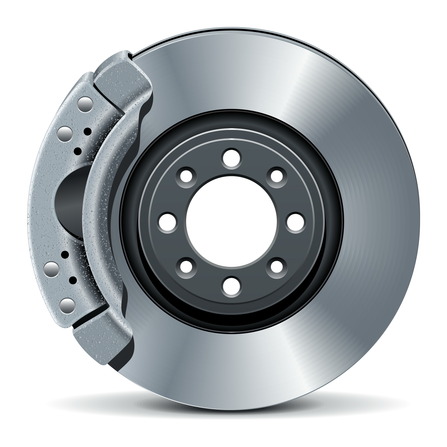
First, it is essential to recognize the types of brake systems prevalent in modern vehicles. The two primary systems are disc brakes and drum brakes. Disc brakes, often found on the front wheels of cars, feature a rotor and caliper system that exerts pressure on brake pads to slow the vehicle. In contrast, drum brakes, usually located on the rear wheels, utilize a set of shoes that expand against a drum. While both systems serve the same purpose, they differ in their wear patterns and lifespan. Disc brakes generally offer superior performance and dissipate heat more effectively than drum brakes, which can lead to quicker wear if not properly maintained.
Among the most telling signs of brake wear is an audible indicator: a high-pitched squeaking or grinding noise. This sound typically emanates from a small metal tab embedded in the brake pad, designed to alert drivers of impending replacement needs. When friction material wears down, the metal tab makes contact with the rotor, producing an unpleasant sound. If ignored, this incessant grinding can lead to more extensive damage, necessitating not just pad replacement, but potentially rotor resurfacing or replacement as well.
Next, vibration during braking is another signal that should not be overlooked. If the steering wheel or brake pedal pulsates when pressure is applied, it can indicate warped rotors. This condition often arises from severe heat buildup, frequently due to aggressive driving habits or inadequate cooling of the brake components. It is a clear indicator that further inspection is required to determine whether the rotors need machining or complete replacement, alongside the brake pads.
Moreover, the presence of reduced braking responsiveness can also suggest imminent brake failure. A brake pedal that feels spongy or requires excessive force to engage is an alarming sign. This symptom may arise from various underlying issues, including air in the brake lines, fluid leaks, or deteriorating brake components. Such diminished performance jeopardizes safety and necessitates immediate attention.
In addition to these auditory and tactile signs, visual inspections can yield valuable insights. Brake pads typically possess wear indicators such as grooves or markings that signify optimal thickness. Should these indicators become obscured or nonexistent, it is an unequivocal cue that replacement is required. Furthermore, observing the brake pads through the wheel spokes can allow owners to assess their condition without the need for disassembly.
Environmental conditions will also play a pivotal role in brake wear. Regions subjected to harsh winters with frequent snow and ice often require more frequent brake changes due to corrosion from salt and chemicals. Similarly, geographic areas that experience high temperatures may lead to accelerated wear due to the effects of prolonged heat on brake components. Consequently, drivers residing in such locales should be vigilant and proactive regarding brake maintenance.
Another relevant factor is the driving style of the operator. Aggressive drivers who engage in rapid acceleration and hard braking significantly increase the rate of brake wear. Frequent stop-and-go traffic can exacerbate this effect, leading to premature deterioration of both pads and rotors. Conversely, more conservative driving habits can prolong brake life and reduce the frequency of maintenance.
Routine maintenance checks are integral to ensuring brake longevity and safety. Regular inspections by a qualified technician can identify wear before it becomes critical. Technicians are trained to assess not just the pads, but also fluid levels, lines, and overall braking system integrity. Scheduling these assessments every six months or as suggested by the vehicle manufacturer is prudent and can prevent costly repairs in the long run.
Consequently, understanding brake wear trends transcends mere observational knowledge; it incorporates a blend of awareness regarding environmental impact, driving habits, and mechanical intricacies. With a myriad of factors influencing brake wear, a holistic approach can help demystify brake maintenance. By remaining vigilant and aware of the signs that indicate wear, vehicle owners can significantly enhance their safety while reducing overall repair costs.
In summation, the question of which brakes wear out faster cannot be answered definitively without considering various parameters. However, by recognizing the signs of wear, such as audible indicators, vibration, reduced responsiveness, and engaging in routine inspections, one can significantly improve their understanding and management of brake systems. Awareness of personal driving habits and environmental challenges plays a crucial role in this equation. Collectively, these insights will not only facilitate informed driving decisions but enhance the longevity and effectiveness of the braking system, ensuring safety on the roads.

Leave a comment