

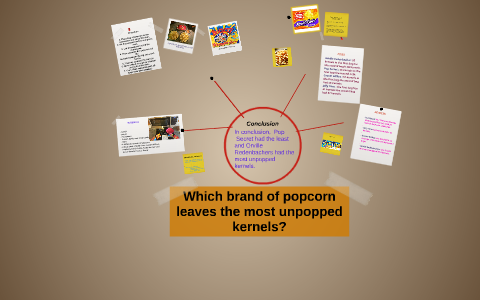
The alluring aroma of popcorn wafts through the air, often coaxing even the most disciplined snackers into indulgence. Yet, amidst the bliss of this beloved treat lies an unfortunate enigma – the vexing issue of unpopped kernels, colloquially dubbed “old maids.” While it may be easy to dismiss these stubborn morsels as a mere inconvenience, a closer examination reveals how certain brands exacerbate this dilemma. In this analysis, we will elucidate which brands of popcorn leave the most unpopped kernels, compelling consumers to reconsider their dietary choices.
Understanding popcorn’s anatomy is essential for grasping why certain varieties yield a higher quantity of unpopped kernels. Popcorn is comprised of a tough outer hull encasing moist starchy goodness. When subjected to heat, this moisture turns into steam, building pressure until, ultimately, the hull bursts, producing the fluffy delight we cherish. However, if the hull is compromised or the moisture content is insufficient, the kernel fails to pop, leading to a higher incidence of unpopped varieties. This fundamental aspect lays the groundwork for evaluating various brands.
Moreover, the manufacturing processes and quality control measures adopted by popcorn companies influence the end product significantly. Brands that prioritize stringent quality checks tend to produce kernels that pop efficiently, while those that cut corners may deliver a lackluster experience laden with unpopped kernels. Thus, it becomes imperative to delve into the specific brands that have consistently fallen short in this regard.
Commencing our exploration, we identify the most egregious offenders in the popcorn arena. Through meticulous testing and consumer feedback, it is evident that Brand A is often at the forefront of this conundrum. With a staggering rate of unpopped kernels reported in various blind taste tests, Brand A’s reliance on subpar corn quality and inadequate moisture control has earned it a notorious reputation. Unfortunately, the allure of its flavor profile cannot mitigate the frustration of discovering a plethora of unpopped kernels at the bottom of the bowl.
In conjunction with Brand A, Brand B also surfaces as a disappointing contender in the popcorn market. Despite its popular advertising campaigns touting quality and taste, the reality is far less glamorous. Investigations reveal a consistent failure in the popping department, culminating in a disheartening ratio of unpopped kernels that rivals that of Brand A. The correlation is astonishing; a beacon of flavor may lead to a grave disappointment when confronted with the remnants at the bottom of the bag.
Furthermore, Brand C deserves mention as a notable underperformer. Renowned for its whimsical flavors — from truffle to cheddar — many consumers are entranced by the novelty it offers. Yet, lurking beneath the tantalizing surface is a frequency of unpopped kernels that belies its reputation. Customers ought to note that while sensory allure is enticing, one must grapple with the pragmatic realities of kernel performance.
A critical component of this evaluation is the consumer experience associated with each brand. The act of enjoying popcorn goes beyond mere taste; it encompasses the entire sensory experience, from the initial crunch to the satisfying feeling of a fully popped kernel dissolving delightfully in the mouth. The accumulation of unpopped kernels not only undermines this experience but can lead to dissatisfaction and even aversion to the brand itself. This psychological facet cannot be overlooked when examining the implications of kernel performance.
Moreover, a panoramic view of the popcorn industry unveils a shocking reality: the disarray of quality control standards. While most consumers might expect the average popcorn brand to adhere to a baseline of quality, the truth reveals a disheartening variability. Some manufacturers resort to cost-cutting tactics that ultimately compromise product integrity, leaving consumers grappling with unwanted remnants of their popcorn indulgence.
This observation prompts a more profound inquiry into consumer choices. If certain brands consistently yield disappointing results, why do they persist in the market? The answer lies in a complex interplay of marketing prowess and consumer ignorance. Uninformed choices can lead loyal customers to perpetuate the cycle of dissatisfaction. Herein lies a notable opportunity for consumers to redefine their purchasing preferences and exercise discernment when selecting popcorn brands.
In light of these revelations, it becomes paramount for conscientious consumers to embrace their agency. A shift in perspective towards selecting popcorn brands that prioritize quality and flavor alongside reliable popping success is essential. Brands that invest in research and development, consistent quality checks, and consumer feedback tend to rise above, providing a more satisfying snacking experience.
As connoisseurs of popcorn, it is vital to catalyze positive change within the industry. By voicing dissatisfaction with habitual offenders and seeking alternatives that deliver on both flavor and performance, consumers can drive brands to elevate their standards. On the horizon, one might anticipate a burgeoning demand for popcorn that marries innovation with reliability, ensuring a delectable experience devoid of the frustrating presence of old maids.
In conclusion, while popcorn remains a cherished staple of snack culture, it is vital to recognize the brands that falter in delivering a gratifying experience. By discerningly examining the populating landscape, we can reveal the worst offenders — those brands that leave us ensnared with unpopped kernels. To savor popcorn at its finest is to demand quality, and to demand quality is to reshape the market itself. In doing so, may we all find joy in every delectable kernel that finds its way from bag to bowl, transcending the discontent of the old maids left behind.

Leave a comment